


Can black masterbatch for injection be used in food - grade products?
As a supplier of black masterbatch for injection, I often encounter inquiries from customers regarding the suitability of our products for food - grade applications. This is a crucial question, considering the strict regulations and safety requirements associated with food - contact materials. In this blog, I will delve into the topic to provide a comprehensive understanding of whether black masterbatch for injection can be used in food - grade products.
Understanding Black Masterbatch for Injection
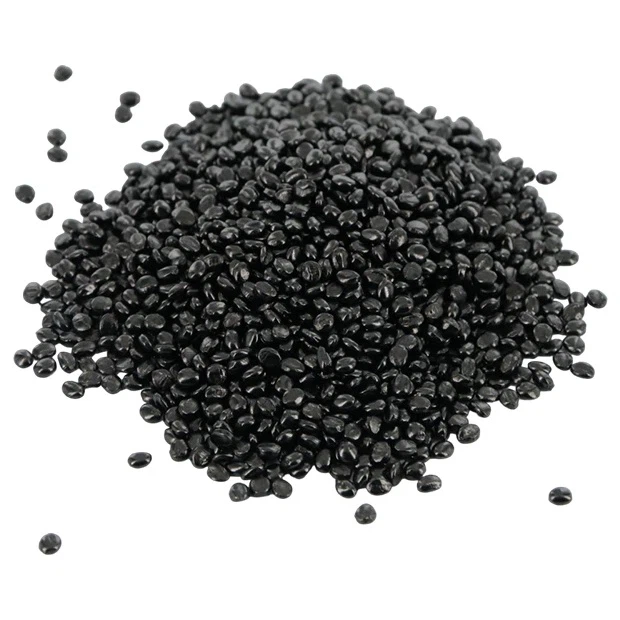
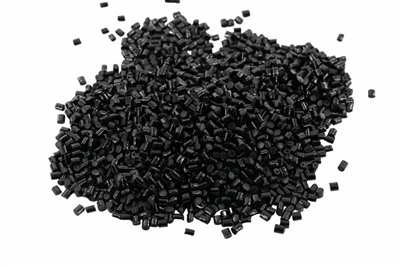
Black masterbatch for injection is a concentrated mixture of carbon black pigment and a carrier resin. It is designed to be added to the base polymer during the injection - molding process to impart a black color to the final product. The carrier resin can vary depending on the specific application and processing requirements, such as polyethylene (PE), polypropylene (PP), or polystyrene (PS).
The key advantage of using black masterbatch for injection is its ability to provide a consistent and uniform color throughout the molded part. It also offers better dispersion and handling compared to using pure carbon black powder, which can be messy and difficult to mix evenly.
Food - Grade Requirements
Food - grade products must meet stringent safety standards to ensure that they do not pose any health risks to consumers. These standards typically cover aspects such as the migration of substances from the packaging or product into the food, the use of approved raw materials, and compliance with specific regulations in different regions.
In the United States, the Food and Drug Administration (FDA) regulates food - contact materials under the Federal Food, Drug, and Cosmetic Act (FD&C Act). The FDA has established a list of substances that are considered safe for use in food - contact applications, and manufacturers must ensure that their products comply with these regulations.


In the European Union, the European Food Safety Authority (EFSA) is responsible for assessing the safety of food - contact materials. The EU has a harmonized set of regulations, such as Regulation (EU) No 10/2011, which lays down the requirements for plastic materials and articles intended to come into contact with food.
Compatibility of Black Masterbatch for Injection with Food - Grade Products
The use of black masterbatch for injection in food - grade products depends on several factors:
-
Raw Materials: The carbon black used in the masterbatch must be of food - grade quality. Food - grade carbon black is specially processed to ensure that it meets the safety requirements for food contact. It should have low levels of impurities, such as heavy metals and polycyclic aromatic hydrocarbons (PAHs), which can be harmful if they migrate into the food.
-
Carrier Resin: The carrier resin in the masterbatch must also be approved for food - contact applications. Common food - grade carrier resins include PE and PP, which are widely used in the food packaging industry.
-
Additives: Some black masterbatches may contain additives to improve their performance, such as dispersants, stabilizers, or lubricants. These additives must also be food - grade and comply with the relevant regulations.
-
Migration Testing: To ensure the safety of the black masterbatch for use in food - grade products, it is essential to conduct migration testing. Migration testing measures the amount of substances that can migrate from the masterbatch - containing product into the food under specific conditions. If the migration levels are within the acceptable limits set by the regulatory authorities, the masterbatch can be considered suitable for food - contact applications.
Our Food - Contact Black Masterbatch
At our company, we understand the importance of providing high - quality black masterbatch for food - grade applications. We offer Food Contact Black Masterbatch that is specifically formulated to meet the strict requirements of the food industry.
Our food - contact black masterbatch uses food - grade carbon black and approved carrier resins. We also ensure that all additives used in the masterbatch are food - grade and comply with the relevant regulations. Before releasing any product, we conduct rigorous migration testing to guarantee its safety for food contact.
In addition to food - contact black masterbatch, we also offer other types of black masterbatch for different applications. For example, our Black Masterbatch for Film Blown is designed for use in the film - blowing process, and our Black Masterbatch for Filament is suitable for filament production.
Conclusion
In conclusion, black masterbatch for injection can be used in food - grade products, provided that it meets the necessary safety requirements. As a responsible supplier, we are committed to providing high - quality black masterbatch that is safe for food contact. Our food - contact black masterbatch is formulated with food - grade raw materials and undergoes strict quality control to ensure its compliance with the relevant regulations.
If you are interested in our black masterbatch products for food - grade or other applications, we encourage you to contact us for more information and to discuss your specific requirements. We look forward to the opportunity to work with you and provide you with the best solutions for your business.
References
- Federal Food, Drug, and Cosmetic Act (FD&C Act), United States Food and Drug Administration.
- Regulation (EU) No 10/2011 of the European Parliament and of the Council on plastic materials and articles intended to come into contact with food.
- European Food Safety Authority (EFSA) guidance on food - contact materials.