


In the realm of mulch film production, the efficient use of black masterbatch is not only crucial for enhancing the film's performance but also for optimizing costs. As a seasoned supplier of black masterbatch for mulch film, I've witnessed firsthand the impact that strategic utilization of this essential additive can have on a manufacturer's bottom line. In this blog post, I'll share some insights and practical tips on how to optimize the use of black masterbatch in mulch film production to save costs without compromising on quality.
Understanding the Role of Black Masterbatch in Mulch Film
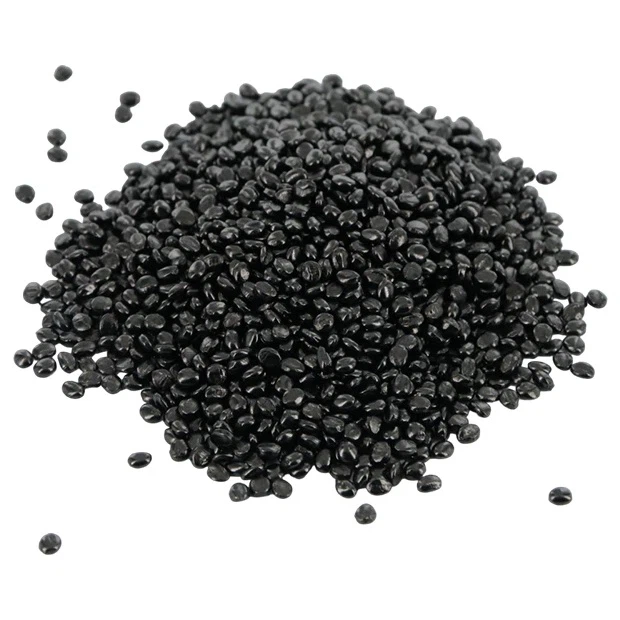
Before delving into cost - saving strategies, it's important to understand why black masterbatch is used in mulch film production. Black masterbatch is a concentrated mixture of carbon black pigment and a carrier resin. When added to the base resin during the film - making process, it imparts several key properties to the mulch film.
One of the primary functions of black masterbatch is to provide UV protection. Mulch films are exposed to sunlight for extended periods, and UV rays can cause degradation of the polymer chains in the film, leading to reduced mechanical properties and a shorter lifespan. The carbon black in the black masterbatch absorbs UV radiation, acting as a shield and significantly extending the film's durability.


In addition to UV protection, black masterbatch also affects the film's heat absorption and retention properties. Black mulch films absorb more sunlight and convert it into heat, which can help to warm the soil beneath the film. This is beneficial for promoting plant growth, especially in cooler climates or during the early stages of the growing season.
Selecting the Right Black Masterbatch
The first step in optimizing the use of black masterbatch is to select the right product for your specific application. Not all black masterbatches are created equal, and choosing the wrong one can lead to inefficiencies and higher costs.
- Carbon Black Quality: The quality of the carbon black used in the masterbatch is a critical factor. High - quality carbon black has better dispersion properties, which means it will distribute more evenly throughout the base resin. This results in a more consistent appearance and performance of the mulch film. Look for masterbatches that use carbon black with a high surface area and low volatile content.
- Carrier Resin Compatibility: The carrier resin in the masterbatch should be compatible with the base resin used in the mulch film production. If the carrier resin is not compatible, it can cause issues such as poor dispersion, delamination, or reduced mechanical properties. Make sure to choose a masterbatch with a carrier resin that has similar melting points and chemical properties to your base resin.
We offer a range of black masterbatches suitable for different types of applications. For example, our Black Masterbatch for Film Blown is specifically formulated for blown film processes, ensuring excellent dispersion and performance in mulch film production.
Determining the Optimal Loading Ratio
Once you've selected the right black masterbatch, the next step is to determine the optimal loading ratio. The loading ratio refers to the amount of black masterbatch added to the base resin. Using too much masterbatch can increase costs, while using too little can result in inadequate UV protection and performance.
- Conduct Trials: The best way to determine the optimal loading ratio is to conduct small - scale trials. Start with a conservative loading ratio and gradually increase it while monitoring the film's properties. Test the film for UV resistance, mechanical strength, and appearance. Based on the results of these trials, you can find the minimum loading ratio that still meets your performance requirements.
- Consider Process Conditions: The process conditions during mulch film production can also affect the optimal loading ratio. For example, if you are using a high - shear mixing process, you may be able to achieve good dispersion with a lower loading ratio compared to a low - shear process.
Improving Dispersion
Proper dispersion of the black masterbatch in the base resin is essential for achieving optimal performance and cost - efficiency. Poor dispersion can lead to uneven color distribution, reduced UV protection, and a higher risk of film defects.
- Mixing Equipment: Invest in high - quality mixing equipment that can provide sufficient shear force to break up the agglomerates of the masterbatch and disperse the carbon black particles evenly. Twin - screw extruders are often a good choice for mulch film production, as they offer better mixing capabilities compared to single - screw extruders.
- Pre - mixing: Consider pre - mixing the black masterbatch with a small amount of the base resin before adding it to the main extruder. This can help to improve the initial dispersion and make it easier for the masterbatch to blend with the rest of the resin during the extrusion process.
Recycling and Reusing Scrap Material
Another way to save costs in mulch film production is to recycle and reuse scrap material. During the manufacturing process, there will inevitably be some scrap film generated, such as trimmings or defective products. Instead of disposing of this scrap, it can be recycled and incorporated back into the production process.
- Regrinding: The scrap film can be regrinded into small pellets and mixed with the virgin resin and black masterbatch. However, it's important to note that the recycled material may have different properties compared to the virgin resin, so the amount of recycled material used should be carefully controlled.
- Masterbatch Adjustment: When using recycled material, you may need to adjust the amount of black masterbatch added. The recycled material may already contain some carbon black from the previous production run, so adding too much additional masterbatch can lead to over - pigmentation and increased costs.
Monitoring and Quality Control
Regular monitoring and quality control are essential for ensuring that the use of black masterbatch is optimized. By closely monitoring the production process and the properties of the mulch film, you can identify any issues early on and take corrective actions to prevent waste and cost overruns.
- In - line Monitoring: Use in - line monitoring techniques to measure the thickness, color, and mechanical properties of the mulch film during production. This allows you to detect any variations in real - time and make adjustments to the process parameters or the amount of black masterbatch added.
- Batch Testing: Conduct batch testing of the mulch film samples to verify their compliance with the required specifications. Test for properties such as UV resistance, tensile strength, and elongation at break. If the test results are not satisfactory, analyze the data to identify the root cause and make appropriate changes to the production process.
Conclusion
Optimizing the use of black masterbatch in mulch film production is a multi - faceted process that requires careful consideration of several factors. By selecting the right masterbatch, determining the optimal loading ratio, improving dispersion, recycling scrap material, and implementing effective monitoring and quality control measures, you can significantly reduce costs while maintaining the high quality of your mulch films.
As a leading supplier of black masterbatch for mulch film, we are committed to providing our customers with high - quality products and technical support to help them achieve these goals. In addition to the Black Masterbatch for Film Blown, we also offer Black Masterbatch for Home Appliances and Black Masterbatch for Blown Bottle for other applications.
If you are interested in learning more about how our black masterbatches can help you optimize your mulch film production and save costs, we invite you to contact us for a detailed discussion. Our team of experts is ready to assist you in finding the best solutions for your specific needs.
References
- "Plastics Additives Handbook" by Hans Zweifel
- "Polymer Degradation and Stabilization" by George Scott
- Industry reports on mulch film production and black masterbatch technology.