


As a supplier of black masterbatch for filaments, I often encounter inquiries from customers about the compatibility of our black masterbatch with biodegradable filaments. This is a crucial question, considering the growing demand for sustainable and environmentally friendly products in the plastics industry. In this blog post, I will delve into the science behind using black masterbatch in biodegradable filaments, explore the associated challenges and opportunities, and share some insights based on our experience in the market.
Understanding Biodegradable Filaments
Biodegradable filaments are a type of plastic filament that can break down naturally in the environment over time. They are typically made from renewable resources such as corn starch, polylactic acid (PLA), polyhydroxyalkanoates (PHA), and other bio-based polymers. These materials offer several advantages over traditional petroleum-based plastics, including reduced carbon footprint, lower dependence on fossil fuels, and improved environmental sustainability.
Biodegradable filaments are widely used in various applications, including 3D printing, packaging, agriculture, and medical devices. In 3D printing, for example, biodegradable filaments are used to create prototypes, parts, and products that are both functional and environmentally friendly. In the packaging industry, they are used to produce bags, containers, and other packaging materials that can decompose naturally, reducing waste and pollution.
The Role of Black Masterbatch in Filaments
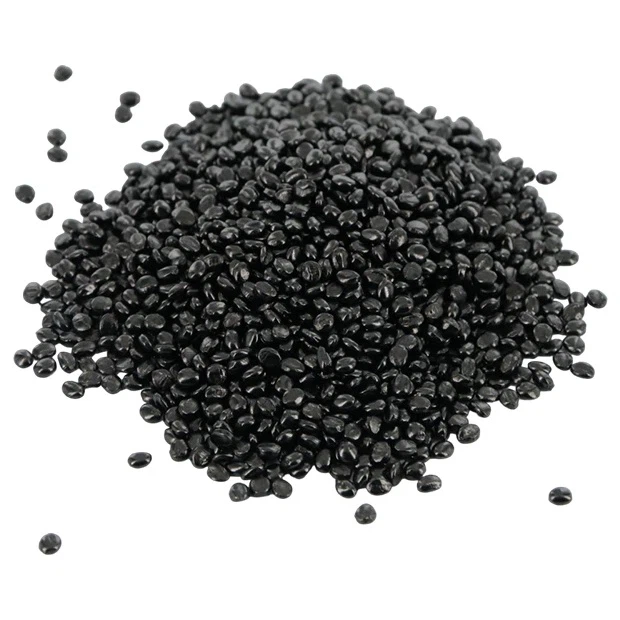
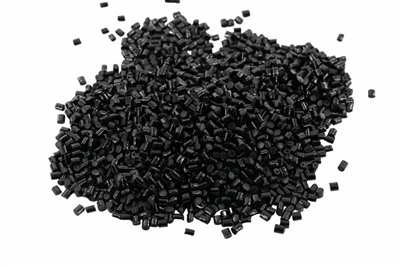
Black masterbatch is a concentrated mixture of carbon black pigment and a carrier resin. It is used to impart a black color to plastic filaments, enhancing their aesthetic appeal and providing UV protection. Carbon black is a commonly used pigment in the plastics industry due to its high tinting strength, excellent dispersion properties, and good resistance to heat, light, and chemicals.
In addition to its coloring properties, black masterbatch can also improve the mechanical properties of plastic filaments. It can enhance the stiffness, strength, and toughness of the filaments, making them more durable and suitable for a wider range of applications. Furthermore, carbon black has good electrical conductivity, which can be beneficial in applications where electrostatic discharge (ESD) protection is required.
Can Black Masterbatch for Filament be Used in Biodegradable Filaments?
The short answer is yes, black masterbatch for filament can be used in biodegradable filaments. However, there are several factors that need to be considered to ensure compatibility and optimal performance.
Compatibility of Carrier Resin
The carrier resin used in the black masterbatch should be compatible with the biodegradable polymer used in the filament. The carrier resin acts as a vehicle to disperse the carbon black pigment evenly throughout the filament. If the carrier resin is not compatible with the biodegradable polymer, it may cause issues such as poor dispersion, phase separation, and reduced mechanical properties.
When selecting a black masterbatch for biodegradable filaments, it is important to choose a product that uses a biodegradable carrier resin. There are several types of biodegradable carrier resins available in the market, including PLA, PHA, and other bio-based polymers. These carrier resins are compatible with most biodegradable polymers and can ensure good dispersion of the carbon black pigment.
Impact on Biodegradability
Another important consideration is the impact of black masterbatch on the biodegradability of the filaments. Carbon black is a stable and inert material that does not readily biodegrade. However, the overall biodegradability of the filament depends on the type and amount of carbon black used, as well as the nature of the biodegradable polymer.
In general, a small amount of carbon black in the black masterbatch is unlikely to have a significant impact on the biodegradability of the filament. However, if a large amount of carbon black is used, it may slow down the biodegradation process. Therefore, it is important to use the appropriate amount of black masterbatch to achieve the desired color and performance without compromising the biodegradability of the filaments.
Dispersion and Processing
Proper dispersion of the black masterbatch in the biodegradable polymer is crucial for achieving uniform color and good mechanical properties. Poor dispersion can result in color streaks, spots, and other defects in the filaments, as well as reduced strength and toughness.
To ensure good dispersion, it is important to use a high-quality black masterbatch that has been specifically formulated for use in filaments. The masterbatch should be well-dispersed in the carrier resin and have a fine particle size distribution. Additionally, the processing conditions, such as temperature, shear rate, and mixing time, should be optimized to ensure proper dispersion of the masterbatch in the biodegradable polymer.


Challenges and Opportunities
While using black masterbatch in biodegradable filaments offers several benefits, there are also some challenges that need to be addressed. One of the main challenges is the cost. Biodegradable polymers and black masterbatch with biodegradable carrier resins are generally more expensive than their traditional counterparts. This can make the final products more costly, which may limit their market acceptance.
Another challenge is the limited availability of high-quality black masterbatch for biodegradable filaments. Not all black masterbatch suppliers offer products that are specifically formulated for use in biodegradable polymers. Therefore, it is important to work with a reputable supplier who has experience in developing and manufacturing black masterbatch for biodegradable applications.
Despite these challenges, there are also significant opportunities in the market for black masterbatch in biodegradable filaments. The growing demand for sustainable and environmentally friendly products is driving the adoption of biodegradable plastics in various industries. As a result, there is an increasing need for black masterbatch that can provide both color and performance benefits while maintaining the biodegradability of the filaments.
Our Experience as a Black Masterbatch Supplier
At our company, we have been supplying black masterbatch for filaments for many years. We understand the unique requirements of biodegradable filaments and have developed a range of black masterbatch products that are specifically formulated for use in these applications.
Our Engineering Compounding Black Masterbatch is designed to provide excellent dispersion, high tinting strength, and good mechanical properties in biodegradable filaments. It uses a biodegradable carrier resin that is compatible with most biodegradable polymers, ensuring optimal performance and compatibility.
Our Black Masterbatch for Mulch Film is specifically formulated for use in agricultural applications. It provides excellent UV protection, which can extend the lifespan of the mulch film and improve its performance. The masterbatch is also biodegradable, making it an environmentally friendly choice for farmers and growers.
Our Black Masterbatch for Water Pipe is designed to meet the strict requirements of the water pipe industry. It provides good color consistency, high mechanical strength, and excellent resistance to corrosion and chemicals. The masterbatch is also compatible with biodegradable polymers, making it suitable for use in environmentally friendly water pipes.
Conclusion
In conclusion, black masterbatch for filament can be used in biodegradable filaments, but careful consideration should be given to ensure compatibility and optimal performance. By choosing a high-quality black masterbatch with a biodegradable carrier resin, and by optimizing the processing conditions, it is possible to achieve a black-colored biodegradable filament that meets the requirements of various applications.
As a supplier of black masterbatch for filaments, we are committed to providing our customers with innovative and sustainable solutions. Our range of black masterbatch products for biodegradable filaments is designed to meet the growing demand for environmentally friendly plastics in the market. If you are interested in learning more about our products or have any questions about using black masterbatch in biodegradable filaments, please feel free to contact us. We look forward to discussing your specific needs and helping you find the right solution for your application.
References
- "Biodegradable Polymers: An Overview" by A. L. Andrady and S. K. Neal, Chemical Reviews, 2009.
- "Carbon Black in Plastics" by R. A. Assink and D. A. Bergbreiter, Encyclopedia of Polymer Science and Technology, 2003.
- "Masterbatch Technology and Applications" by G. Wypych, ChemTec Publishing, 2008.