


Hey there! As a supplier of PC black masterbatch, I often get asked a really interesting question: "Can PC black masterbatch be used in PC marine products?" Well, let's dig into this topic and find out.
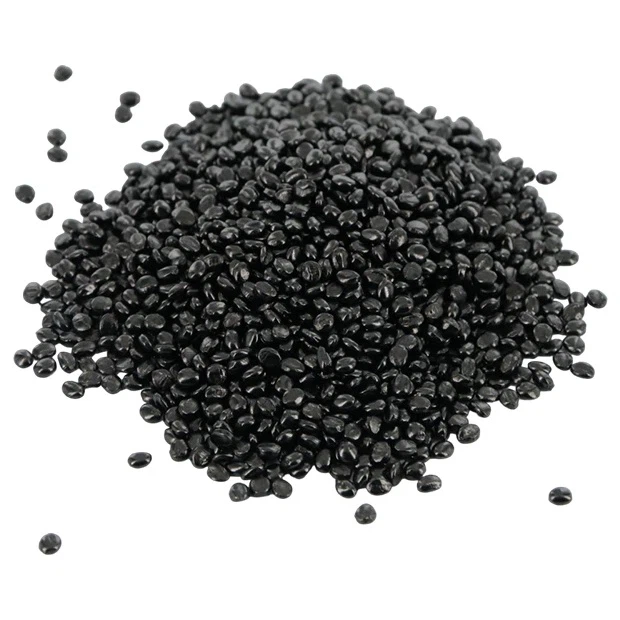
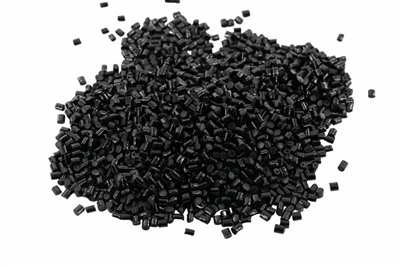
First off, let's understand what PC black masterbatch is. PC black masterbatch is a concentrated mixture of carbon black pigment and a carrier resin, which is specifically designed for polycarbonate (PC) materials. You can learn more about it on our PC Black Masterbatch page. It's used to color PC products black in a cost - effective and efficient way.
Now, when it comes to PC marine products, we need to consider a few key factors. Marine environments are tough. They expose products to saltwater, sunlight, high humidity, and fluctuating temperatures. So, any material used in these products has to be up to the challenge.
Compatibility
One of the most important things is the compatibility of PC black masterbatch with PC resin in marine applications. PC is a high - performance engineering plastic known for its excellent mechanical properties, transparency, and heat resistance. Our PC black masterbatch is formulated to blend seamlessly with PC resin. It disperses evenly, ensuring a consistent black color throughout the product. This is crucial because uneven color can not only affect the aesthetics but also the performance of the marine product.


Resistance to Environmental Factors
Saltwater Resistance
Saltwater is extremely corrosive. PC itself has good resistance to many chemicals, but the addition of the black masterbatch should not compromise this. Our PC black masterbatch is designed to be chemically stable in saltwater environments. The carbon black used in it is of high quality and is treated to prevent any leaching or degradation when in contact with saltwater. This means that the color of the PC marine product will remain vibrant and the material will not weaken over time due to saltwater exposure.
UV Resistance
Sunlight, especially the ultraviolet (UV) rays, can cause significant damage to plastics. UV rays can break down the polymer chains in PC, leading to yellowing, cracking, and loss of mechanical properties. Our PC black masterbatch contains UV stabilizers. These stabilizers absorb and dissipate the UV energy, protecting the PC resin from the harmful effects of sunlight. This is essential for marine products that are constantly exposed to the sun, such as boat parts, buoys, and marine equipment housings.
Humidity and Temperature Resistance
Marine environments also experience high humidity and large temperature fluctuations. PC has good dimensional stability, and our masterbatch helps maintain this. The carrier resin in the masterbatch is chosen to have similar thermal expansion properties to PC, so there is no delamination or cracking due to temperature changes. Additionally, it can withstand high humidity without absorbing excessive moisture, which could otherwise lead to swelling or weakening of the product.
Advantages of Using PC Black Masterbatch in Marine Products
Cost - Effectiveness
Using PC black masterbatch is a cost - effective way to color PC marine products. Instead of using pre - colored PC resin, which can be more expensive, you can use natural PC resin and add our masterbatch during the manufacturing process. This allows you to achieve the desired black color at a lower cost without sacrificing quality.
Customization
We can customize the PC black masterbatch according to your specific requirements. Whether you need a high - gloss finish or a matte look, we can adjust the formulation. This gives you more flexibility in designing your marine products to meet the market demand.
Comparison with Other Masterbatches
It's worth comparing PC black masterbatch with other types of black masterbatches, such as ABS Black Masterbatch and PS Black Masterbatch. ABS and PS are different types of plastics with different properties compared to PC.
ABS is more flexible and has good impact resistance, but it is not as heat - resistant or transparent as PC. PS is brittle and has lower mechanical strength. PC black masterbatch is specifically tailored for PC, which means it provides the best performance in PC marine products. ABS and PS black masterbatches are not suitable for PC resin because they may not disperse properly or may not have the same environmental resistance as PC black masterbatch.
Manufacturing Process
When using PC black masterbatch in the production of PC marine products, the manufacturing process also plays a role. The masterbatch should be added at the right stage of the process to ensure proper dispersion. Most commonly, it is added during the extrusion or injection molding process. The temperature and pressure settings need to be carefully controlled to achieve the best results. Our technical team can provide you with detailed guidelines on the optimal processing conditions for using our masterbatch.
Quality Assurance
As a supplier, we take quality seriously. Our PC black masterbatch undergoes strict quality control measures. We test it for color consistency, dispersion, and resistance to environmental factors. We use advanced testing equipment and follow international standards to ensure that our product meets the highest quality requirements. This gives you peace of mind knowing that the masterbatch you are using in your PC marine products is reliable and of top - notch quality.
Conclusion
In conclusion, yes, PC black masterbatch can definitely be used in PC marine products. It offers compatibility, resistance to environmental factors, cost - effectiveness, and customization options. If you're in the business of manufacturing PC marine products and are looking for a high - quality black masterbatch, look no further. Our PC black masterbatch is the ideal choice for your needs.
If you're interested in learning more or starting a purchase negotiation, feel free to reach out. We're here to assist you with all your inquiries and provide you with the best solutions for your PC marine product coloring needs.
References
- Plastics Additives Handbook, 6th Edition, Edited by Hans Zweifel
- Engineering Plastics: Properties and Applications, by Donald V. Rosato and Dominick V. Rosato