


As a supplier of black masterbatch for toys, I often encounter inquiries from customers about the long - term color stability of our product. In the toy industry, color stability is of utmost importance. Toys are not only children's playthings but also items that are expected to maintain their aesthetic appeal over time. In this blog, I will delve into the factors affecting the long - term color stability of black masterbatch for toys and share insights based on our experience in the industry.
Understanding Black Masterbatch for Toys
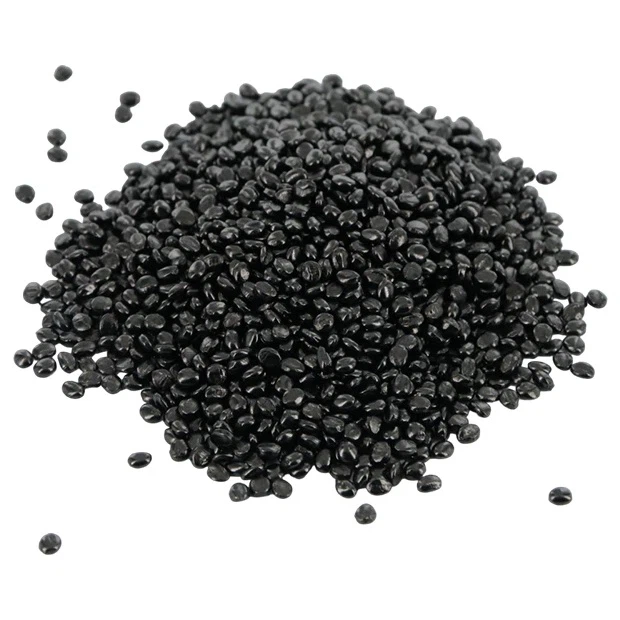
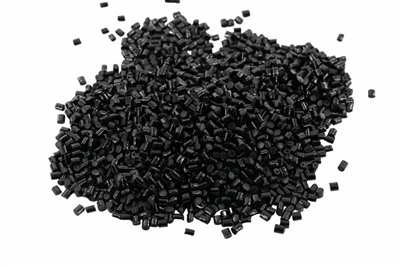
Black masterbatch is a concentrated mixture of carbon black pigment and a carrier resin. It is used to impart black color to various plastic products, including toys. The quality of the carbon black, the dispersion of the pigment in the carrier resin, and the compatibility with the base polymer of the toy are all crucial factors that determine the performance of the black masterbatch.
Carbon black is the primary pigment in black masterbatch. There are different types of carbon black, such as furnace black, channel black, and thermal black. Furnace black is the most commonly used type in the plastic industry due to its excellent color strength, high tinting power, and good dispersibility. The particle size and structure of carbon black also play a significant role in color stability. Smaller particle sizes generally result in better color development and higher color stability, as they are less likely to agglomerate and are more evenly dispersed in the polymer matrix.
Factors Affecting Long - Term Color Stability
1. Exposure to Light
One of the most significant factors that can affect the color stability of black masterbatch in toys is exposure to light, especially ultraviolet (UV) light. UV light can cause the carbon black pigment to degrade over time, leading to a change in color. This is known as photodegradation. To mitigate this issue, we use carbon black with high UV resistance in our black masterbatch for toys. Additionally, we can incorporate UV stabilizers into the masterbatch formulation. These stabilizers absorb or dissipate the UV energy, preventing it from reaching the carbon black pigment and reducing the risk of photodegradation.
2. Temperature and Heat
High temperatures can also have a negative impact on the color stability of black masterbatch. When toys are exposed to elevated temperatures during manufacturing processes, storage, or use, the carbon black pigment may undergo thermal degradation. This can result in a loss of color intensity or a change in hue. Our black masterbatch is formulated to withstand a certain range of temperatures. We conduct extensive heat - aging tests to ensure that our products maintain their color stability under normal operating temperatures. For example, we test the masterbatch at temperatures up to 80°C for extended periods to simulate real - world conditions.
3. Chemical Compatibility
The chemical environment in which the toy is used can also affect the color stability of the black masterbatch. Toys may come into contact with various chemicals, such as cleaning agents, sweat, or saliva. If the black masterbatch is not chemically compatible with these substances, it can lead to color changes. We carefully select the carrier resin and additives in our masterbatch to ensure good chemical resistance. For instance, we use resins that are resistant to common household chemicals and have low reactivity with biological fluids.
4. Processing Conditions
The processing conditions during the manufacturing of toys can also influence the long - term color stability of the black masterbatch. Improper processing, such as over - shearing or excessive heat during extrusion or injection molding, can cause the carbon black pigment to disperse unevenly or degrade. Our technical team provides detailed processing guidelines to our customers to ensure that the black masterbatch is processed correctly. We also offer on - site support to help customers optimize their processing parameters and achieve the best possible color stability.
Our Quality Assurance Measures
At our company, we are committed to providing high - quality black masterbatch for toys with excellent long - term color stability. We have a rigorous quality control system in place to ensure that every batch of our masterbatch meets the highest standards.
First, we source our raw materials from reputable suppliers. We conduct thorough inspections and tests on the carbon black and carrier resin before using them in our production. This includes testing for particle size distribution, color strength, and chemical purity.
During the manufacturing process, we use advanced mixing and dispersion technologies to ensure that the carbon black is evenly distributed in the carrier resin. We monitor the production process closely, including temperature, pressure, and mixing time, to ensure consistency in quality.
After production, each batch of black masterbatch is tested for color stability. We use spectrophotometers to measure the color properties of the masterbatch and compare them against our quality standards. We also conduct accelerated aging tests, where the masterbatch is exposed to simulated environmental conditions, such as high temperature, high humidity, and UV light, for a short period to predict its long - term color stability.


Comparison with Other Applications
It's interesting to compare the color stability requirements of black masterbatch for toys with other applications. For example, Black Masterbatch For Injection used in industrial injection - molded parts may have different requirements. Industrial parts are often exposed to more harsh environments, such as high - pressure steam, chemicals, and extreme temperatures. While color stability is still important, the focus may be more on mechanical properties and chemical resistance.
On the other hand, Black Masterbatch for Pipe needs to have excellent long - term color stability, especially when the pipes are used outdoors. Pipes are exposed to sunlight, rain, and various weather conditions, so they require high UV resistance and good color retention.
Black Masterbatch for Garbage Bag also has its own set of requirements. Garbage bags are typically used for a short period, but they need to have sufficient color stability to maintain their appearance during storage and use. The cost - effectiveness of the masterbatch is also an important consideration in this application.
Conclusion
In conclusion, the long - term color stability of black masterbatch for toys is a complex issue that is influenced by multiple factors, including exposure to light, temperature, chemical environment, and processing conditions. At our company, we have taken a comprehensive approach to address these factors and ensure that our black masterbatch for toys maintains its color over time. Through the use of high - quality raw materials, advanced manufacturing processes, and rigorous quality control, we are confident in the color stability of our products.
If you are in the toy manufacturing industry and are looking for a reliable supplier of black masterbatch with excellent long - term color stability, we would be delighted to discuss your requirements. Our team of experts can provide you with customized solutions and technical support to meet your specific needs. Contact us today to start a conversation about your black masterbatch procurement.
References
- "Plastics Additives Handbook" by Hans Zweifel
- "Colorants for Plastics: Principles and Applications" by John Murphy
- "UV Stabilization of Polymers: Principles and Applications" by Gerhard Wypych