

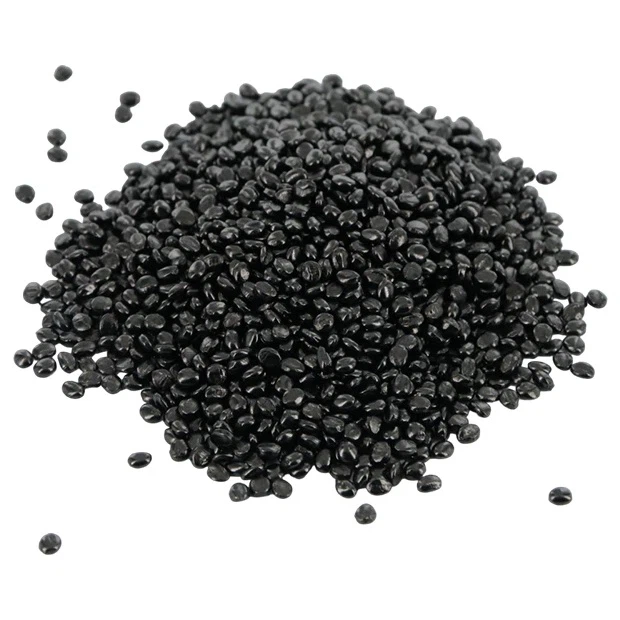
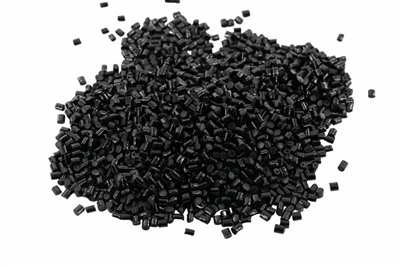

As a leading supplier of ABS black masterbatch, I've witnessed firsthand the transformative impact our product can have on the welding performance of ABS products. In this blog, I'll delve into the science behind how ABS black masterbatch influences welding, share real - world examples, and offer insights for optimizing the process.
Understanding ABS and Its Welding
Acrylonitrile Butadiene Styrene (ABS) is a popular thermoplastic known for its excellent mechanical properties, impact resistance, and aesthetic appeal. It's widely used in industries such as automotive, electronics, and consumer goods. Welding is a crucial process in ABS product manufacturing, allowing for the joining of different parts to create complex structures. There are several welding methods for ABS, including hot - plate welding, vibration welding, and ultrasonic welding. Each method has its own set of requirements and characteristics, but they all aim to create a strong, durable bond between the ABS components.

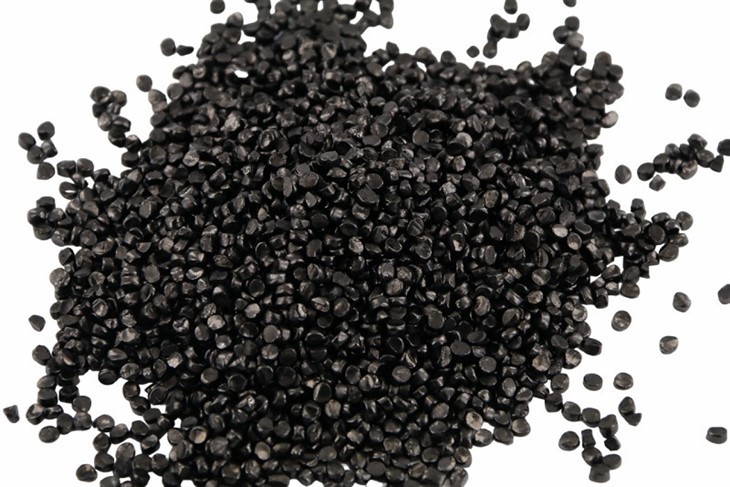
Role of ABS Black Masterbatch in Welding
1. Thermal Conductivity
One of the primary ways ABS black masterbatch affects welding performance is through its influence on thermal conductivity. The carbon black pigment in the masterbatch has a high thermal conductivity. When the ABS material contains our black masterbatch, it can absorb and transfer heat more efficiently during the welding process. For example, in hot - plate welding, the heat from the hot plate is quickly conducted through the ABS material, ensuring a more uniform melting of the welding surfaces. This leads to a stronger and more consistent weld joint.
2. Color and Heat Absorption
The black color provided by the masterbatch plays a significant role in heat absorption. Black materials absorb more light and convert it into heat compared to lighter - colored materials. During welding processes like ultrasonic welding, which rely on the generation of heat through friction and vibration, the black masterbatch helps the ABS material to absorb more of the energy generated. This results in faster melting and better fusion of the parts being welded.
3. Chemical Compatibility
Our ABS black masterbatch is formulated to be highly compatible with ABS resin. This compatibility ensures that the masterbatch disperses evenly throughout the ABS matrix. A well - dispersed masterbatch means that the properties it imparts, such as improved thermal conductivity, are consistent across the entire material. In the context of welding, this consistency is crucial for achieving reliable and high - quality welds. If the masterbatch were not compatible and did not disperse well, it could lead to uneven melting and weak spots in the weld joint.
Real - World Examples of Improved Welding Performance
In the automotive industry, ABS is commonly used for interior and exterior parts. When manufacturers use our Black Masterbatch For Automotive in their ABS components, they have reported significant improvements in welding quality. For instance, in the production of automotive dashboards, the use of our masterbatch in the ABS parts has led to stronger welds between different sections of the dashboard. This not only enhances the structural integrity of the final product but also reduces the likelihood of weld failures during the vehicle's lifespan.
In the electronics industry, ABS is used for enclosures and casings. Ultrasonic welding is often employed to assemble these parts. Companies that have switched to using our ABS black masterbatch have noticed that the welding process is faster and more reliable. The improved heat absorption and conductivity provided by the masterbatch result in shorter welding times and fewer rejects due to poor welds.
Optimizing Welding with ABS Black Masterbatch
1. Masterbatch Concentration
The concentration of the black masterbatch in the ABS material needs to be carefully controlled. While a higher concentration can potentially enhance heat absorption and conductivity, too much masterbatch can lead to other issues such as reduced mechanical properties of the ABS material. Through extensive research and testing, we have determined the optimal concentration ranges for different welding applications. For most standard welding processes, a concentration of 2 - 5% of our black masterbatch in the ABS resin has been found to provide the best balance between welding performance and material properties.
2. Welding Process Parameters
Adjusting the welding process parameters is essential when using our black masterbatch. For example, in vibration welding, the amplitude, frequency, and welding time may need to be adjusted slightly to take advantage of the improved heat transfer properties of the ABS material with the masterbatch. By working closely with our customers, we can provide guidance on how to optimize these parameters for their specific welding equipment and applications.
Comparison with Other Masterbatches
We also offer other types of black masterbatches, such as PS Black Masterbatch and PA Black Masterbatch. However, these are formulated for different base polymers (Polystyrene and Polyamide respectively). The ABS black masterbatch is specifically designed for ABS resin, taking into account the unique properties of ABS, such as its melt flow index, impact resistance, and chemical structure. Using the wrong masterbatch for a particular polymer can lead to poor welding performance and other quality issues.
Conclusion and Call to Action
In conclusion, our ABS black masterbatch has a profound impact on the welding performance of ABS products. It improves thermal conductivity, enhances heat absorption, and ensures chemical compatibility, all of which contribute to stronger, more reliable welds. Whether you are in the automotive, electronics, or other industries that use ABS products, our masterbatch can help you achieve better welding results and higher - quality end products.
If you are interested in learning more about how our ABS black masterbatch can benefit your welding processes or if you want to discuss your specific requirements, we invite you to reach out for a procurement consultation. Our team of experts is ready to provide you with detailed information and technical support.
References
- Plastics Engineering Handbook of the Society of Plastics Engineers, Inc.
- Journal of Applied Polymer Science: Studies on the Welding of Thermoplastics