

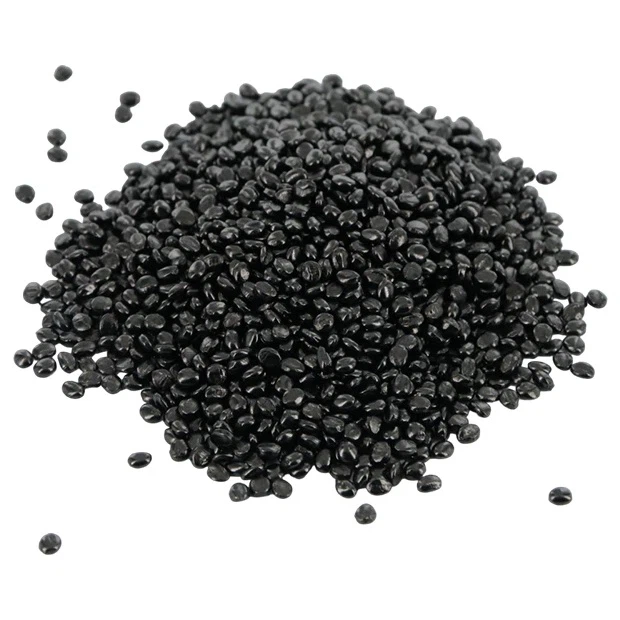
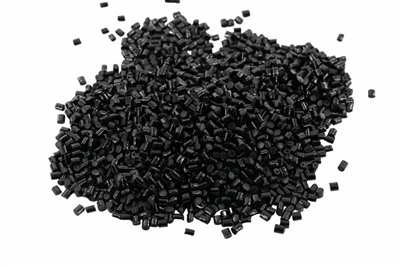

As a supplier of ABS black masterbatch, I've witnessed firsthand the crucial role it plays in the plastics industry, especially in influencing the foaming performance of ABS. In this blog, I'll delve into the science behind how ABS black masterbatch impacts the foaming process of ABS, and explore its implications for various applications.
Understanding ABS and Its Foaming Process
Acrylonitrile Butadiene Styrene (ABS) is a widely used thermoplastic polymer known for its excellent mechanical properties, such as high impact resistance, good stiffness, and processability. Foaming ABS is a common practice to reduce its weight, improve insulation properties, and enhance its aesthetic appeal. The foaming process involves the incorporation of a blowing agent into the ABS resin, which decomposes or vaporizes during the melting and processing stages, creating gas bubbles within the polymer matrix.

The Role of ABS Black Masterbatch in Foaming
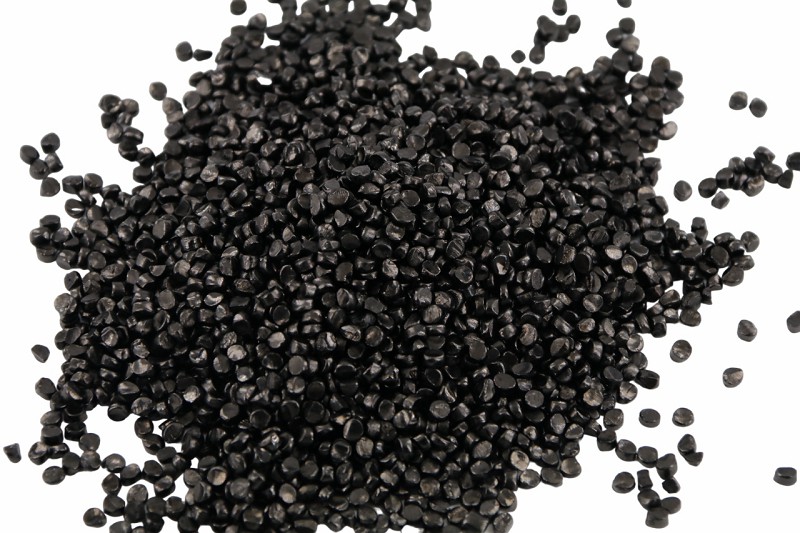
ABS black masterbatch is a concentrated mixture of carbon black pigment and a carrier resin, typically ABS. It is used to impart a black color to the ABS resin and can also affect the foaming performance in several ways.
Nucleation
One of the primary ways ABS black masterbatch influences foaming is through nucleation. Nucleation is the initial stage of bubble formation in the foaming process. Carbon black particles in the masterbatch act as nucleating agents, providing sites for the formation of gas bubbles. These particles have a high surface area, which promotes the adsorption of the blowing agent and facilitates the formation of gas nuclei. As a result, the presence of ABS black masterbatch can increase the number of bubbles formed during foaming, leading to a finer and more uniform cell structure in the foamed ABS.
Thermal Conductivity
Carbon black is a good conductor of heat. When ABS black masterbatch is added to the ABS resin, it can improve the thermal conductivity of the polymer matrix. This enhanced thermal conductivity can have a significant impact on the foaming process. During foaming, the heat generated by the decomposition of the blowing agent needs to be dissipated efficiently to prevent overheating and uneven bubble growth. The improved thermal conductivity provided by the black masterbatch helps to distribute the heat more evenly, resulting in a more controlled and consistent foaming process.
Viscosity Modification
The addition of ABS black masterbatch can also affect the viscosity of the ABS resin. The carbon black particles in the masterbatch can interact with the polymer chains, increasing the melt viscosity of the ABS. This change in viscosity can influence the foaming behavior of the ABS. A higher melt viscosity can help to stabilize the gas bubbles during the foaming process, preventing them from coalescing and collapsing. This results in a more stable foam structure with smaller and more uniform cells.
Impact on Foaming Performance
The influence of ABS black masterbatch on the foaming performance of ABS can be observed in several aspects, including cell structure, density, and mechanical properties.

Cell Structure
As mentioned earlier, the nucleation effect of ABS black masterbatch leads to the formation of a finer and more uniform cell structure in the foamed ABS. A fine cell structure is desirable as it can improve the mechanical properties of the foam, such as its strength and stiffness. Additionally, a uniform cell structure can enhance the aesthetic appearance of the foamed product, giving it a smoother and more consistent surface finish.
Density
The addition of ABS black masterbatch can also affect the density of the foamed ABS. By promoting the formation of more bubbles, the masterbatch can reduce the density of the foam. This is particularly beneficial in applications where weight reduction is a key requirement, such as in the automotive and aerospace industries. A lower density foam can also result in cost savings, as less material is used in the production process.
Mechanical Properties
The mechanical properties of foamed ABS are closely related to its cell structure and density. A fine and uniform cell structure, along with a lower density, can improve the impact resistance, flexibility, and insulation properties of the foam. The presence of ABS black masterbatch can contribute to these improvements by enhancing the foaming process and optimizing the cell structure.
Applications of Foamed ABS with Black Masterbatch
The combination of ABS black masterbatch and foamed ABS has a wide range of applications in various industries.
Automotive Industry
In the automotive industry, foamed ABS with black masterbatch is used for interior components such as dashboards, door panels, and seat backs. The black color provided by the masterbatch gives these components a sleek and professional appearance, while the foaming process reduces their weight, improving fuel efficiency. You can find more information about Black Masterbatch for Automotive.
Packaging Industry
Foamed ABS with black masterbatch is also used in the packaging industry for protective packaging of electronic devices, consumer goods, and fragile items. The foam's excellent cushioning properties and black color make it an ideal choice for packaging applications where both protection and aesthetics are important.
Construction Industry
In the construction industry, foamed ABS with black masterbatch can be used for insulation panels, wall cladding, and decorative elements. The foam's insulation properties and durability make it a suitable material for improving the energy efficiency and appearance of buildings.
Conclusion
In conclusion, ABS black masterbatch plays a significant role in influencing the foaming performance of ABS. Through its effects on nucleation, thermal conductivity, and viscosity, the masterbatch can improve the cell structure, density, and mechanical properties of the foamed ABS. This makes it a valuable additive in various applications, especially in the automotive, packaging, and construction industries.
If you're interested in learning more about our ABS black masterbatch or discussing potential applications for your specific needs, I encourage you to reach out to us. We're here to provide you with the highest quality products and expert advice to help you achieve the best results in your projects.
References
- “Plastics Additives Handbook” by Hans Zweifel
- “Polymer Foams: Structure and Properties” by K. K. Chawla