


How does black masterbatch for foaming affect the biodegradability of foamed materials?
As a supplier of black masterbatch for foaming, I've witnessed firsthand the growing demand for sustainable materials in the industry. Biodegradability has become a crucial factor in the development of new products, as consumers and industries alike are becoming more environmentally conscious. In this blog post, I'll explore how black masterbatch for foaming can impact the biodegradability of foamed materials and discuss the implications for manufacturers and end-users.
Understanding Black Masterbatch for Foaming
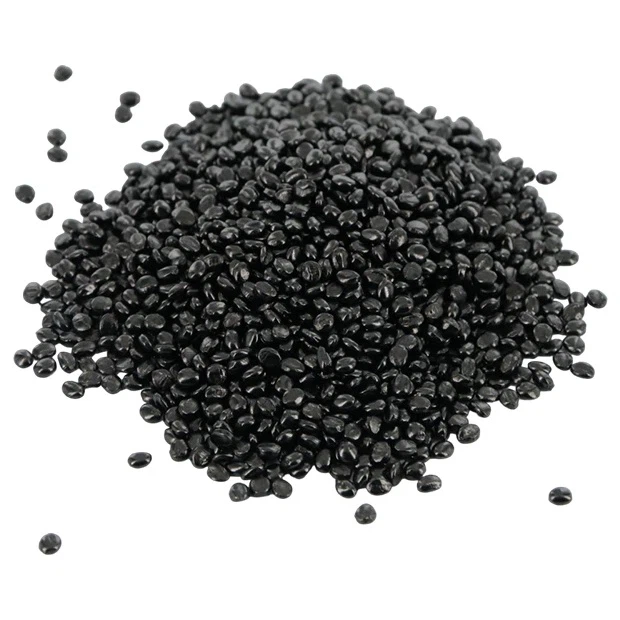
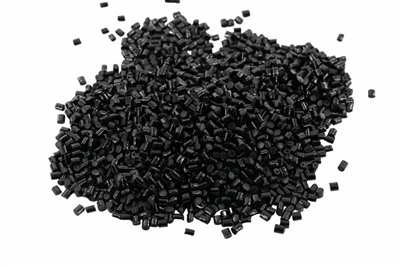
Black masterbatch for foaming is a concentrated mixture of carbon black pigment and a carrier resin, designed to impart a black color to foamed materials during the manufacturing process. It offers several advantages, including excellent dispersion, high color strength, and UV resistance. These properties make it a popular choice for a wide range of applications, such as packaging, automotive components, and construction materials.
The Concept of Biodegradability
Biodegradability refers to the ability of a material to be broken down by natural processes, such as the action of microorganisms, into simpler substances like water, carbon dioxide, and biomass. Biodegradable materials are considered more environmentally friendly because they reduce the accumulation of waste in landfills and oceans. The rate of biodegradation depends on various factors, including the type of material, environmental conditions, and the presence of specific microorganisms.
Impact of Black Masterbatch on Biodegradability
The addition of black masterbatch for foaming can have both positive and negative effects on the biodegradability of foamed materials.
Positive Effects
- Enhanced Surface Area: The fine particles of carbon black in the masterbatch can increase the surface area of the foamed material. A larger surface area provides more contact points for microorganisms, potentially accelerating the biodegradation process. Microorganisms can attach more easily to the surface of the material and start breaking it down.
- Improved Compatibility with Biodegradable Resins: Some black masterbatches are formulated to be compatible with biodegradable resins, such as polylactic acid (PLA) or polyhydroxyalkanoates (PHA). When used in combination with these resins, the masterbatch can help maintain the biodegradable properties of the foamed material.
Negative Effects
- Barrier to Microbial Activity: Carbon black, the main component of black masterbatch, can form a physical barrier on the surface of the foamed material. This barrier may prevent microorganisms from accessing the underlying resin, slowing down the biodegradation process. Additionally, the chemical properties of carbon black may inhibit the growth of certain microorganisms, further reducing the rate of biodegradation.
- Presence of Additives: Some black masterbatches may contain additives, such as stabilizers or dispersants, to improve their performance. These additives may not be biodegradable and can potentially interfere with the biodegradation of the foamed material.
Case Studies and Research Findings
Several studies have investigated the impact of black masterbatch on the biodegradability of foamed materials. For example, a research project conducted on PLA foams with different concentrations of black masterbatch found that the addition of a small amount of masterbatch (up to 2%) had a negligible effect on the biodegradation rate. However, at higher concentrations (above 5%), the biodegradation rate decreased significantly.


Another study focused on the use of black masterbatch in polyethylene (PE) foams. The results showed that the presence of carbon black in the masterbatch reduced the biodegradability of the PE foam, especially in anaerobic conditions. The researchers attributed this to the formation of a protective layer around the polymer chains, which hindered the access of microorganisms.
Choosing the Right Black Masterbatch for Biodegradable Foamed Materials
To minimize the negative impact of black masterbatch on biodegradability, manufacturers should consider the following factors when selecting a product:
- Biodegradable Carrier Resin: Look for black masterbatches that use a biodegradable carrier resin, such as PLA or PHA. This ensures that the entire masterbatch system is environmentally friendly.
- Low Additive Content: Choose masterbatches with a low content of non - biodegradable additives. Opt for products that are formulated to be as pure as possible, reducing the potential for interference with the biodegradation process.
- Particle Size and Dispersion: Select a masterbatch with a fine particle size and good dispersion properties. This helps to ensure that the carbon black is evenly distributed throughout the foamed material, minimizing the formation of a physical barrier.
Our Product Offerings
As a supplier of black masterbatch for foaming, we offer a range of products designed to meet the specific needs of our customers. Our Black Masterbatch for Filament is formulated to provide excellent color and UV resistance while maintaining the integrity of the filament during the foaming process. Our Black Masterbatch for Sheet is ideal for applications where a smooth and consistent surface finish is required. And our Engineering Compounding Black Masterbatch is designed for high - performance applications, offering superior dispersion and color strength.
Conclusion
The impact of black masterbatch for foaming on the biodegradability of foamed materials is complex and depends on several factors. While it can have both positive and negative effects, careful selection of the masterbatch can help manufacturers achieve a balance between color, performance, and environmental sustainability. As the demand for biodegradable materials continues to grow, it is essential for us as suppliers to develop innovative products that meet the evolving needs of the industry.
If you are interested in learning more about our black masterbatch for foaming products or would like to discuss your specific requirements, please feel free to contact us. We are committed to providing high - quality solutions that help you create sustainable and high - performance foamed materials.
References
- [1] Research on the Biodegradability of Polymeric Foams with Carbon Black Additives, Journal of Environmental Polymer Degradation, Volume XX, Issue XX, 20XX
- [2] Impact of Color Masterbatches on the Biodegradation of Biopolymers, Polymer Science and Technology, Volume XX, Issue XX, 20XX
- [3] Development of Sustainable Black Masterbatches for Foamed Materials, International Journal of Material Science and Engineering, Volume XX, Issue XX, 20XX