

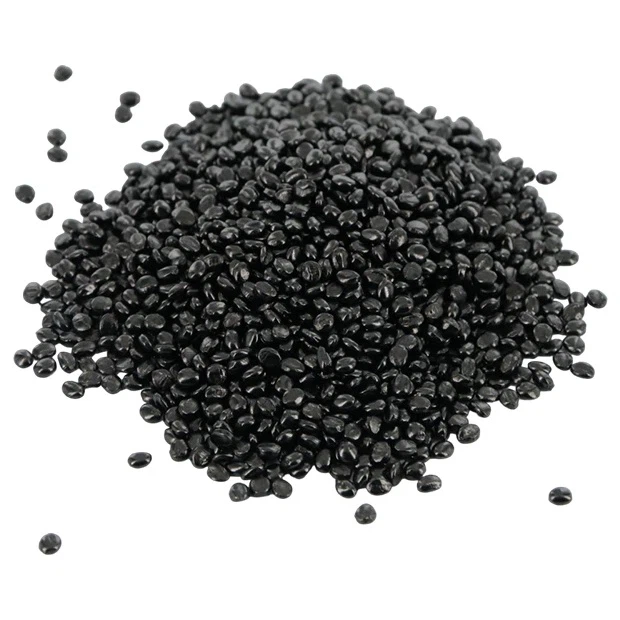
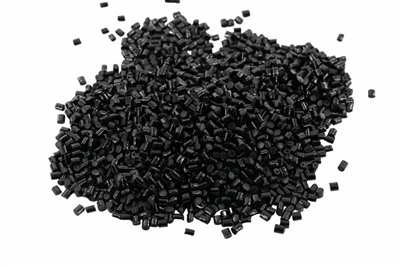

Hey there! I'm a supplier of black masterbatch for mulch film, and I'm super excited to chat with you about how black masterbatch influences the chemical resistance of mulch film.
First off, let's talk a bit about what mulch film is and why it's so important. Mulch film is widely used in agriculture to cover the soil. It helps to conserve moisture, suppress weed growth, and regulate soil temperature. This can lead to better crop yields and reduced water usage. But when it comes to using mulch film in different agricultural environments, it needs to be able to withstand various chemicals. These chemicals can include fertilizers, pesticides, and herbicides. That's where black masterbatch comes into play.
Black masterbatch is a concentrated mixture of carbon black pigment and a carrier resin. When added to the base resin of the mulch film during the manufacturing process, it not only gives the film its black color but also brings a bunch of other benefits, especially in terms of chemical resistance.


One of the key ways black masterbatch enhances chemical resistance is through the nature of carbon black itself. Carbon black has a large surface area and a unique structure. This structure allows it to form a kind of barrier within the mulch film. When chemicals come into contact with the film, the carbon black particles can absorb and disperse the chemical molecules. For example, when a pesticide is sprayed on the mulch film, the carbon black in the black masterbatch can trap some of the pesticide molecules, preventing them from penetrating deep into the film and potentially degrading its structure.
Another aspect is the interaction between the carbon black and the carrier resin in the black masterbatch. The carrier resin is carefully selected to be compatible with the base resin of the mulch film. This compatibility ensures that the black masterbatch can be evenly dispersed throughout the film. When the carbon black is evenly distributed, it provides a more consistent barrier against chemicals. If the distribution is uneven, there might be weak spots in the film where chemicals can more easily penetrate.
Now, let's take a look at some real - world examples of how black masterbatch affects chemical resistance. In areas where high - strength fertilizers are used, mulch films with black masterbatch tend to last longer. Without proper chemical resistance, the fertilizers could break down the polymer chains in the mulch film over time, causing it to become brittle and tear easily. But with the addition of black masterbatch, the film can resist the corrosive effects of the fertilizers for a longer period.
Similarly, in regions where herbicides are frequently applied, black - colored mulch films made with black masterbatch show better performance. Herbicides are designed to kill unwanted plants, but they can also have a negative impact on the mulch film. The carbon black in the masterbatch helps to protect the film from the herbicide's chemical action, maintaining the integrity of the film and its functionality in the field.
As a supplier, I offer different types of black masterbatch that are tailored to meet the specific needs of mulch film manufacturers. If you're interested in other applications, I also have Black Masterbatch For Film Blown, Black Masterbatch For Pipe, and Black Masterbatch for Sheet.
When it comes to choosing the right black masterbatch for your mulch film, there are a few factors to consider. The quality of the carbon black is crucial. High - quality carbon black will have better chemical - absorbing properties and will be more effective in enhancing chemical resistance. Also, the loading level of the carbon black in the masterbatch matters. A higher loading level might provide better chemical resistance, but it could also affect other properties of the mulch film, such as its flexibility. So, it's all about finding the right balance.
In addition to chemical resistance, black masterbatch also offers other benefits to mulch film. It can improve the film's UV resistance. The carbon black in the masterbatch absorbs ultraviolet light, preventing it from breaking down the polymer chains in the film. This means that the mulch film can last longer under sunlight, which is especially important in outdoor agricultural applications.
It also has an impact on the mechanical properties of the mulch film. The addition of black masterbatch can increase the film's tensile strength and tear resistance. This is important because in the field, the mulch film may be subjected to various physical stresses, such as wind, rain, and the movement of agricultural equipment. A film with better mechanical properties is less likely to get damaged during its use.
If you're a mulch film manufacturer, or you're involved in the agricultural industry and are looking for high - quality black masterbatch for your mulch film, I'd love to have a chat with you. I can provide you with samples and detailed information about how our black masterbatch can meet your specific requirements. Whether you need a masterbatch for a small - scale operation or a large - scale production, we've got you covered.
In conclusion, black masterbatch plays a vital role in enhancing the chemical resistance of mulch film. It provides a cost - effective and efficient way to protect the film from the harmful effects of various chemicals used in agriculture. With its additional benefits of UV resistance and improved mechanical properties, it's a great choice for anyone looking to produce high - quality mulch film. So, if you're interested in discussing your black masterbatch needs for mulch film, don't hesitate to reach out. Let's work together to create the best mulch film solutions for your agricultural projects.
References
- "Plastics Additives Handbook" by Hans Zweifel
- "Carbon Black: Science and Technology" by Donnet, Jean - Baptiste et al.