

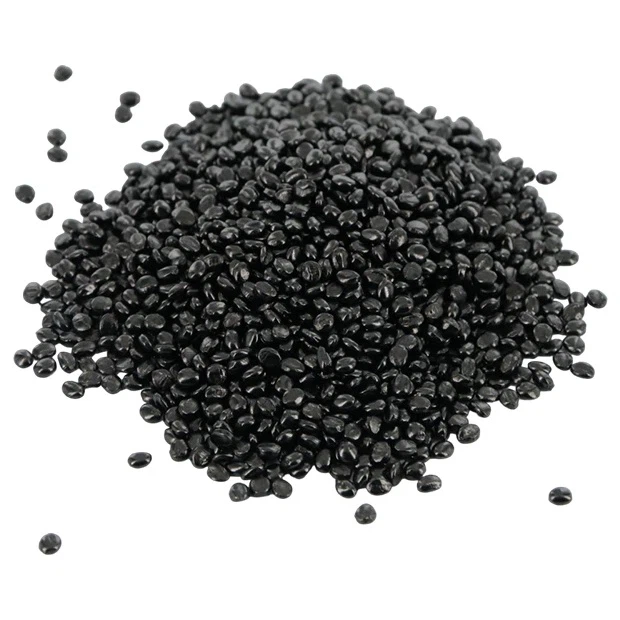
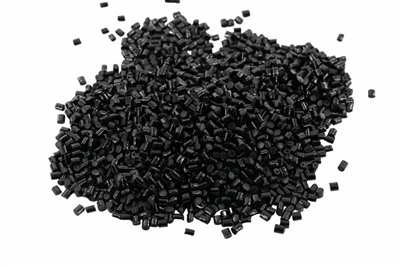

Speciality black masterbatch is a crucial additive in the plastic industry, offering enhanced coloration, UV protection, and other functional properties. As a leading speciality black masterbatch supplier, we understand the significance of particle size in determining the performance of our products. In this blog post, we will explore how the particle size of speciality black masterbatch affects its performance and why it matters for your applications.
Understanding Speciality Black Masterbatch
Before delving into the impact of particle size, let's briefly understand what speciality black masterbatch is. Speciality black masterbatch is a concentrated form of carbon black dispersed in a carrier resin. It is used to impart black color to various plastic products, including automotive parts, electrical appliances, packaging materials, and more. The choice of carbon black and the dispersion process play a vital role in determining the quality and performance of the masterbatch.
The Role of Particle Size
Particle size is a critical parameter that significantly influences the performance of speciality black masterbatch. It affects various aspects, including color strength, dispersion, UV protection, and mechanical properties. Let's explore each of these aspects in detail.
Color Strength
The particle size of carbon black in the masterbatch directly affects the color strength of the final product. Smaller particle sizes generally result in higher color strength and better blackness. This is because smaller particles have a larger surface area, which allows for more efficient light absorption and scattering. As a result, the plastic product appears darker and more intense in color.
For example, in applications where a deep black color is required, such as automotive interiors or high-end consumer products, using a speciality black masterbatch with smaller particle sizes can achieve the desired aesthetic effect. On the other hand, larger particle sizes may result in a lighter or duller black color, which may not be suitable for applications where color intensity is crucial.
Dispersion
Dispersion is another important factor influenced by particle size. Good dispersion of carbon black particles in the carrier resin is essential to ensure uniform color distribution and consistent performance. Smaller particle sizes are generally easier to disperse compared to larger ones.
When the particle size is small, the carbon black particles are more likely to be evenly distributed throughout the carrier resin, resulting in a homogeneous masterbatch. This leads to better color consistency and fewer color streaks or specks in the final plastic product. In contrast, larger particle sizes may tend to agglomerate, causing uneven dispersion and poor color quality.
As a speciality black masterbatch supplier, we use advanced dispersion technologies to ensure optimal dispersion of carbon black particles, regardless of their size. However, it is still important to consider the particle size when selecting a masterbatch to achieve the best dispersion results.
UV Protection
Carbon black is known for its excellent UV protection properties, which help to prevent the degradation of plastic products caused by exposure to sunlight. The particle size of carbon black can affect its UV protection efficiency.
Smaller particle sizes generally provide better UV protection compared to larger ones. This is because smaller particles can scatter and absorb UV radiation more effectively, creating a barrier that shields the plastic from the harmful effects of UV rays. As a result, plastic products containing speciality black masterbatch with smaller particle sizes are more resistant to UV-induced aging, such as color fading, embrittlement, and loss of mechanical properties.
In applications where UV protection is critical, such as outdoor furniture, agricultural films, or automotive exterior parts, using a masterbatch with smaller particle sizes can significantly extend the lifespan of the plastic product.
Mechanical Properties
The particle size of carbon black can also have an impact on the mechanical properties of the final plastic product. Smaller particle sizes can enhance the mechanical strength and stiffness of the plastic, while larger particle sizes may have a negative effect.


When the carbon black particles are small, they can act as reinforcement fillers, improving the overall mechanical performance of the plastic. This is because smaller particles can better interact with the polymer matrix, enhancing the interfacial adhesion and load transfer between the particles and the polymer. As a result, the plastic product becomes stronger, more rigid, and less prone to deformation.
On the other hand, larger particle sizes may act as stress concentrators, leading to a reduction in mechanical properties. The presence of large particles can create weak points in the plastic matrix, making it more susceptible to cracking and failure under stress.
Selecting the Right Particle Size
Choosing the appropriate particle size of speciality black masterbatch depends on several factors, including the specific application requirements, the type of plastic resin, and the processing conditions. Here are some guidelines to help you make an informed decision:
- Application Requirements: Consider the desired color strength, UV protection, and mechanical properties of the final product. If a deep black color, high UV protection, or enhanced mechanical strength is required, opt for a masterbatch with smaller particle sizes.
- Plastic Resin: Different plastic resins have different compatibility with carbon black particles of various sizes. Some resins may require smaller particle sizes for better dispersion and performance, while others may be more forgiving. Consult with our technical experts to determine the most suitable particle size for your specific resin.
- Processing Conditions: The processing conditions, such as temperature, shear rate, and mixing time, can also affect the dispersion and performance of the masterbatch. Make sure to choose a particle size that is compatible with your processing equipment and conditions to ensure optimal results.
Our Speciality Black Masterbatch Offerings
As a leading speciality black masterbatch supplier, we offer a wide range of products with different particle sizes to meet the diverse needs of our customers. Our masterbatches are formulated using high-quality carbon black and advanced dispersion technologies to ensure excellent color strength, dispersion, UV protection, and mechanical properties.
Some of our popular products include PC Black Masterbatch, PA Black Masterbatch, and PS Black Masterbatch. These masterbatches are specifically designed for use in PC, PA, and PS plastics, respectively, and offer superior performance in terms of color quality, UV resistance, and mechanical properties.
Conclusion
In conclusion, the particle size of speciality black masterbatch plays a crucial role in determining its performance. Smaller particle sizes generally offer higher color strength, better dispersion, improved UV protection, and enhanced mechanical properties. However, the choice of particle size should be based on the specific application requirements, the type of plastic resin, and the processing conditions.
As a trusted speciality black masterbatch supplier, we are committed to providing our customers with high-quality products and technical support. If you have any questions or need assistance in selecting the right masterbatch for your application, please feel free to contact us. We look forward to discussing your requirements and helping you achieve the best results with our speciality black masterbatch.
References
- ASTM D150-11, Standard Test Methods for AC Loss Characteristics and Permittivity (Dielectric Constant) of Solid Electrical Insulation.
- ISO 4892-2:2013, Plastics - Methods of exposure to laboratory light sources - Part 2: Xenon-arc lamps.
- Blackledge, R. D., & Matisons, J. G. (2009). Carbon black in plastics: Properties, processing, and applications. John Wiley & Sons.