

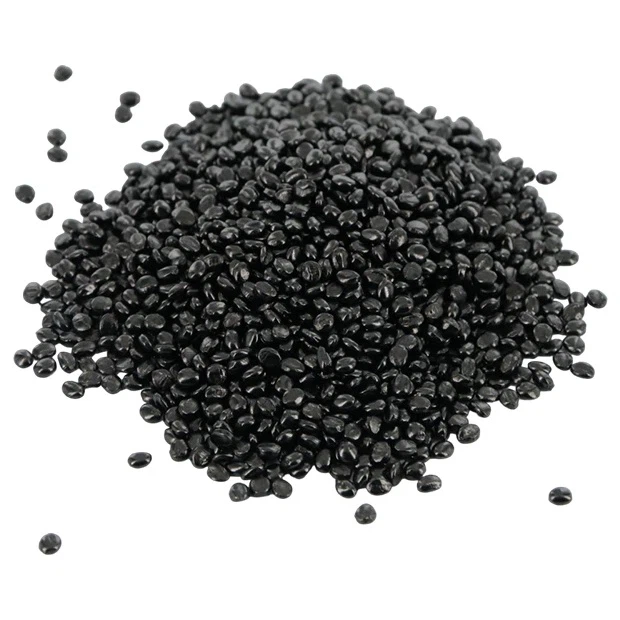
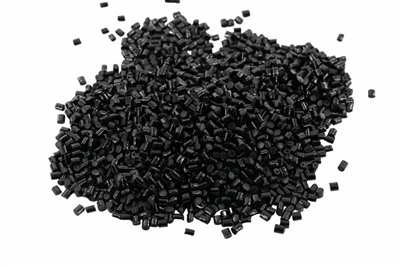

Selecting the appropriate black masterbatch for automotive applications is a critical decision that can significantly impact the quality, performance, and aesthetics of automotive components. As a trusted supplier of Black Masterbatch For Automotive, I understand the complexities involved in this process. In this blog post, I will share valuable insights and guidelines to help you make an informed choice.
Understanding the Basics of Black Masterbatch for Automotive
Black masterbatch is a concentrated mixture of carbon black pigment and a carrier resin. It is used to impart black color to various automotive parts, including interior trims, exterior body panels, bumpers, and electrical components. The quality of the black masterbatch directly affects the color intensity, dispersion, UV resistance, and mechanical properties of the final product.
Key Factors to Consider When Choosing Black Masterbatch
1. Compatibility with the Base Resin
The first and foremost factor to consider is the compatibility of the black masterbatch with the base resin used in the automotive component. Different polymers, such as polypropylene (PP), polyethylene (PE), polystyrene (PS), and polycarbonate (PC), have distinct chemical and physical properties. Using an incompatible masterbatch can lead to issues such as poor dispersion, delamination, and reduced mechanical strength.
For example, PS Black Masterbatch is specifically formulated for use with polystyrene resins. It offers excellent dispersion and color consistency, ensuring a uniform black appearance in PS-based automotive parts. Similarly, PC Black Masterbatch is designed to meet the high-performance requirements of polycarbonate applications, providing good heat resistance and UV stability.


2. Color Quality and Consistency
The color of automotive components is a crucial aspect of their visual appeal. The black masterbatch should provide a deep, rich black color that is consistent throughout the entire production run. Variations in color can be caused by factors such as inconsistent pigment dispersion, differences in batch production, or the presence of impurities.
To ensure color quality and consistency, it is essential to choose a masterbatch supplier that uses high-quality carbon black pigments and advanced manufacturing processes. Look for suppliers who offer color matching services and can provide color samples for evaluation. Additionally, consider conducting color tests on the final product to verify that the desired color is achieved.
3. UV Resistance
Automotive components are exposed to sunlight and other environmental factors, which can cause color fading and degradation over time. UV resistance is therefore an important consideration when selecting black masterbatch. A masterbatch with good UV resistance will help maintain the color and appearance of the automotive parts, even after prolonged exposure to sunlight.
The UV resistance of a masterbatch is typically determined by the type and amount of UV stabilizers used in its formulation. Some suppliers offer masterbatches with enhanced UV protection, which can be particularly beneficial for exterior automotive applications. When evaluating UV resistance, it is advisable to request data on the masterbatch's performance in accelerated weathering tests.
4. Dispersion Properties
Proper dispersion of the carbon black pigment in the base resin is essential for achieving a uniform color and optimal performance. Poor dispersion can result in visible specks, streaks, or uneven color distribution in the final product. To ensure good dispersion, the masterbatch should have a fine particle size and be formulated with appropriate dispersing agents.
A supplier with expertise in dispersion technology can provide masterbatches that offer excellent dispersion properties. They can also offer recommendations on processing conditions, such as temperature and shear rate, to optimize the dispersion of the masterbatch in the base resin.
5. Mechanical Properties
In addition to color and appearance, the mechanical properties of the automotive components are also important. The black masterbatch should not significantly affect the strength, stiffness, or impact resistance of the base resin. Some masterbatches may contain additives or fillers that can improve the mechanical properties of the final product.
When evaluating the mechanical properties of a masterbatch, it is advisable to conduct mechanical tests on test specimens prepared with the masterbatch and the base resin. This will help determine if the masterbatch meets the specific requirements of the automotive application.
6. Regulatory Compliance
Automotive components are subject to various regulatory requirements, including those related to environmental protection, safety, and quality. The black masterbatch used in these components must comply with relevant regulations, such as REACH (Registration, Evaluation, Authorization, and Restriction of Chemicals) and RoHS (Restriction of Hazardous Substances).
Ensure that the masterbatch supplier is aware of and complies with all applicable regulations. Request documentation, such as material safety data sheets (MSDS) and certificates of compliance, to verify the regulatory compliance of the masterbatch.
Working with a Reliable Supplier
Choosing the right black masterbatch for automotive applications is not just about selecting the best product; it is also about working with a reliable supplier. A reputable supplier will have the expertise, experience, and resources to provide high-quality masterbatches that meet your specific requirements.
When evaluating potential suppliers, consider the following factors:
- Technical Support: Look for a supplier who can provide technical support and guidance throughout the selection and implementation process. They should be able to answer your questions, offer recommendations, and assist with troubleshooting.
- Quality Control: A reliable supplier will have a rigorous quality control system in place to ensure the consistency and quality of their products. They should be able to provide documentation of their quality control processes and test results.
- Production Capacity: Ensure that the supplier has the production capacity to meet your demand. They should be able to provide timely delivery of the masterbatch, even during peak production periods.
- Customer Service: Good customer service is essential for a successful business relationship. Choose a supplier who is responsive, easy to communicate with, and willing to go the extra mile to meet your needs.
Conclusion
Selecting the right black masterbatch for automotive applications requires careful consideration of several factors, including compatibility with the base resin, color quality and consistency, UV resistance, dispersion properties, mechanical properties, and regulatory compliance. By working with a reliable supplier and following the guidelines outlined in this blog post, you can make an informed decision and choose a masterbatch that will meet the specific requirements of your automotive components.
If you are interested in learning more about our Black Masterbatch For Automotive or have any questions about the selection process, please feel free to contact us. Our team of experts is ready to assist you in finding the perfect masterbatch solution for your automotive applications.
References
- ASTM International. (2023). ASTM standards for plastics and composites.
- European Chemicals Agency. (2023). REACH - Registration, Evaluation, Authorization and Restriction of Chemicals.
- International Organization for Standardization. (2023). ISO standards for quality management and environmental management.