


Hey there! As a supplier of food contact black masterbatch, I've seen firsthand the importance of ensuring long - term color stability in food - related products. In this blog, I'm gonna share some tips on how to make sure that the color of your food contact items stays consistent over time.
Understanding the Basics of Food Contact Black Masterbatch
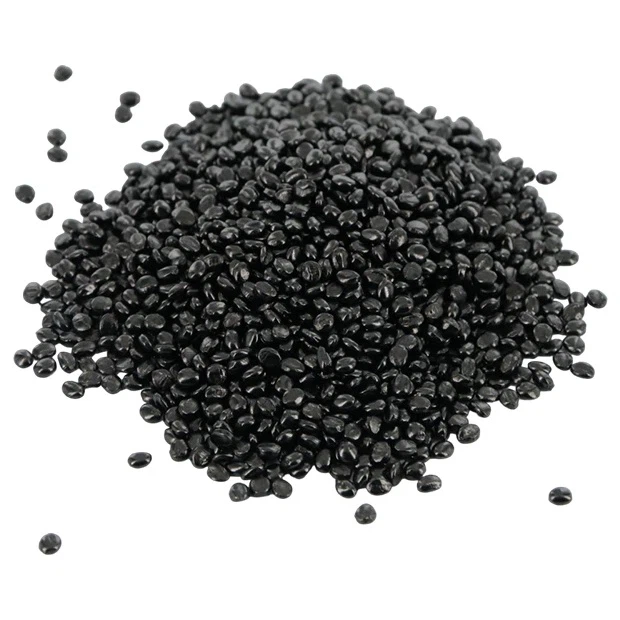
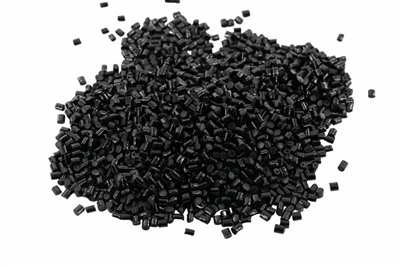
First off, let's talk a bit about what food contact black masterbatch is. It's a concentrated form of black pigment that's used to color plastics and other materials that come into contact with food. You can check out more about it here: Food Contact Black Masterbatch.
The key to long - term color stability starts with choosing the right masterbatch. Not all black masterbatches are created equal, especially when it comes to food contact applications. You need to make sure that the masterbatch you're using meets all the relevant food safety regulations. This means that it should be free from harmful substances like heavy metals and other contaminants that could leach into the food.
Factors Affecting Color Stability
1. Pigment Quality
The quality of the black pigment in the masterbatch is crucial. High - quality pigments are more resistant to fading and degradation over time. Cheaper pigments might look good initially, but they can break down when exposed to factors like heat, light, and chemicals. When I'm sourcing pigments for our food contact black masterbatch, I always go for the best ones on the market. This ensures that the color will stay vibrant and consistent for as long as possible.
2. Processing Conditions
How you process the masterbatch can also have a big impact on color stability. Overheating the masterbatch during the extrusion or injection molding process can cause the pigment to break down. It's important to follow the recommended processing temperatures and speeds. For example, if you're using Black Masterbatch for Injection, make sure you're operating within the specified temperature range. If you run the machine too hot, the color might start to change, and you could end up with products that don't look as good as they should.
3. Environmental Exposure
Once the products are made, their exposure to the environment plays a role in color stability. Sunlight, especially ultraviolet (UV) rays, can cause the color to fade. If your food contact products are going to be stored or used in areas with a lot of sunlight, you might want to consider adding a UV stabilizer to the masterbatch. Chemicals in the environment can also affect the color. For instance, if the products come into contact with cleaning agents or other chemicals, it could cause the color to change. So, it's important to test the products with any chemicals they might encounter in their intended use.
Tips for Ensuring Long - Term Color Stability
1. Quality Control
Implement a strict quality control process. This should start from the raw materials stage. Test the incoming masterbatch for color consistency, pigment dispersion, and compliance with food safety standards. During the production process, regularly check the color of the finished products. You can use color measurement devices to ensure that the color is within the acceptable range. If you notice any deviations, you can make adjustments right away.
2. Storage
Proper storage of the masterbatch and the finished products is essential. Store the masterbatch in a cool, dry place away from direct sunlight and heat sources. This will prevent premature degradation of the pigment. For the finished products, store them in similar conditions. If possible, keep them in sealed containers to protect them from environmental exposure.
3. Product Design
Think about the product design in terms of color stability. For example, if you're making a food container, consider the thickness of the plastic. Thicker walls can provide more protection for the pigment, reducing the chances of color fading. Also, avoid designs that expose large areas of the colored surface to direct sunlight or chemicals.
4. Custom Formulation
Sometimes, off - the - shelf masterbatch might not be the best option for your specific needs. We offer custom formulation services for our Food Contact Black Masterbatch. This way, we can tailor the masterbatch to your exact requirements, including adding specific additives for better color stability. If you have a unique application or need a specific level of color fastness, our team can work with you to create a masterbatch that meets your needs.


Special Considerations for Different Applications
Food Packaging
In food packaging, color stability is not only about aesthetics but also about maintaining the integrity of the brand. Consumers expect the packaging to look the same every time they buy the product. Any color change can make them question the quality of the food inside. So, when using food contact black masterbatch for packaging, it's even more important to ensure long - term color stability. You might want to use a higher - quality masterbatch and pay extra attention to the processing and storage conditions.
Toys
Toys that are made for children and are also food - contact items, like baby bottles or chew toys, have their own set of requirements. In addition to color stability, safety is the top priority. Our Black Masterbatch for Toy is formulated to meet the strictest safety standards. We make sure that the color stays consistent even when the toys are chewed on or exposed to saliva and other substances.
Conclusion
Ensuring the long - term stability of color when using food contact black masterbatch is a multi - step process. It involves choosing the right masterbatch, controlling the processing conditions, protecting the products from environmental exposure, and implementing strict quality control. By following these tips, you can make sure that your food contact products look great and maintain their color for a long time.
If you're in the market for high - quality food contact black masterbatch and want to ensure long - term color stability for your products, don't hesitate to reach out. We're here to help you find the best solutions for your specific needs. Let's start a conversation about how we can work together to make your products stand out.
References
- ASTM International standards on food contact materials.
- Industry reports on plastic pigment stability.
- Research papers on the effects of environmental factors on plastic color.