


Hey there! I'm an ABS black masterbatch supplier, and I often get asked how to ensure the uniform distribution of ABS black masterbatch in ABS. It's a crucial question because a good distribution can greatly affect the quality of the final product. So, let's dive right into it.
Understanding the Basics of ABS and Black Masterbatch
First off, let's quickly go over what ABS and black masterbatch are. ABS, or Acrylonitrile Butadiene Styrene, is a common thermoplastic polymer. It's used in a wide range of applications, from automotive parts to toys, because of its toughness, rigidity, and good processing properties.
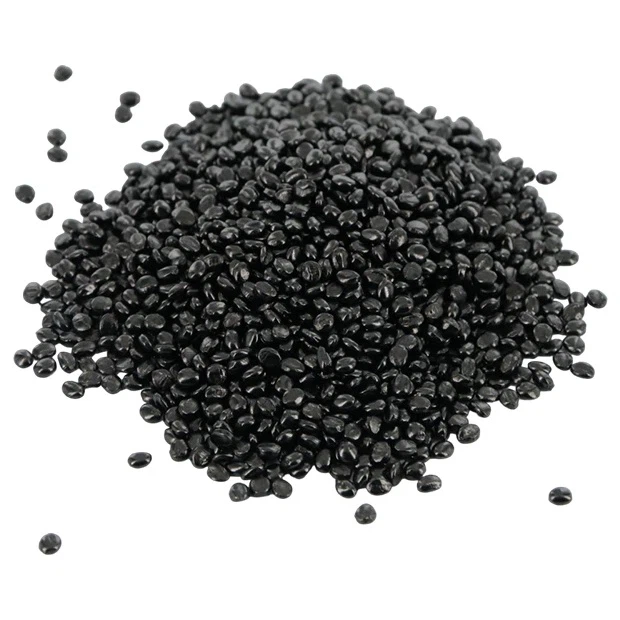
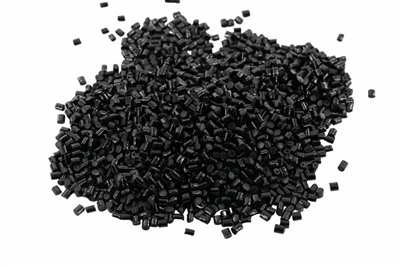
On the other hand, ABS Black Masterbatch is a concentrated mixture of carbon black pigment and additives dispersed in a carrier resin. Its main job is to give the ABS a deep, rich black color. But it's not just about the color; it can also improve the UV resistance and other properties of the ABS.


Factors Affecting the Uniform Distribution
Before we talk about the solutions, let's understand the factors that can mess up the uniform distribution of the black masterbatch in ABS.
1. Compatibility
The compatibility between the black masterbatch and the ABS resin is super important. If they're not compatible, the masterbatch won't disperse well. It's like trying to mix oil and water. The carrier resin in the masterbatch should be similar to the ABS resin to ensure good compatibility.
2. Particle Size
The particle size of the carbon black in the masterbatch matters a lot. If the particles are too large, they won't disperse evenly in the ABS. Smaller particles have a larger surface area, which allows for better interaction with the ABS resin and more uniform distribution.
3. Processing Conditions
The processing conditions, such as temperature, shear rate, and mixing time, can have a huge impact on the distribution. If the temperature is too low, the ABS resin may not be in a molten state, making it difficult for the masterbatch to disperse. On the other hand, if the temperature is too high, it can cause degradation of the resin and the masterbatch.
Tips for Ensuring Uniform Distribution
Now that we know the factors, let's look at some tips to ensure a uniform distribution of the black masterbatch in ABS.
1. Choose the Right Masterbatch
As a supplier, I always recommend choosing a high - quality ABS Black Masterbatch that is specifically designed for ABS applications. These masterbatches are formulated to have good compatibility with ABS and contain carbon black with an appropriate particle size.
2. Pre - blending
Before adding the masterbatch to the ABS resin, it's a good idea to pre - blend them. You can use a simple tumbler mixer to mix the masterbatch and the ABS resin in the correct ratio. This helps to start the dispersion process and ensures that the masterbatch is evenly distributed at the initial stage.
3. Adjust Processing Conditions
- Temperature: Set the processing temperature according to the melting point of the ABS resin. Usually, the temperature range for processing ABS is around 200 - 250°C. Make sure the temperature is high enough to melt the resin but not too high to cause degradation.
- Shear Rate: Increase the shear rate during the processing. You can do this by adjusting the screw speed of the extruder or the mixing blades in an injection molding machine. Higher shear rates help to break up the agglomerates of the masterbatch and distribute it more evenly in the ABS.
- Mixing Time: Don't rush the mixing process. Allow enough time for the masterbatch to disperse fully in the ABS resin. The mixing time can vary depending on the equipment and the batch size, but generally, a few minutes of mixing is required.
4. Quality Control
Regularly test the final product to check the distribution of the black masterbatch. You can use techniques like microscopy to examine the cross - section of the product. If you notice any uneven distribution, adjust the processing parameters or the masterbatch selection accordingly.
Industry - Specific Considerations
Different industries have different requirements for the distribution of black masterbatch in ABS. For example, in the automotive industry, the appearance and performance of the parts are very important.
Automotive Industry
In the automotive industry, Black Masterbatch for Automotive is used to color various parts, such as dashboards, bumpers, and interior trims. These parts need to have a uniform color and good surface finish. To meet these requirements, the processing conditions need to be carefully controlled. The shear rate may need to be higher to ensure a very fine and uniform distribution of the masterbatch.
Electronics Industry
In the electronics industry, the black masterbatch in ABS is used for products like computer cases and mobile phone shells. These products often require high - precision molding and good electrical properties. The processing conditions need to be adjusted to ensure that the masterbatch doesn't affect the electrical insulation properties of the ABS while achieving a uniform color.
Case Studies
Let me share a couple of case studies to show you how these tips work in real - life situations.
Case Study 1: A Toy Manufacturer
A toy manufacturer was having problems with the color of their ABS toys. The toys had streaks and uneven color, which was a big issue for their brand. After analyzing the problem, we found that the masterbatch they were using had a large particle size and was not very compatible with their ABS resin. We recommended a high - quality ABS Black Masterbatch with a smaller particle size and better compatibility. We also adjusted the processing conditions, increasing the shear rate and the mixing time. After these changes, the toys had a uniform black color, and the customer was very satisfied.
Case Study 2: An Automotive Parts Supplier
An automotive parts supplier was struggling with the surface finish of their ABS bumpers. The bumpers had a dull and uneven appearance. We found that the processing temperature was too low, which was preventing the masterbatch from dispersing properly. We increased the temperature to the optimal range and adjusted the shear rate. The result was a significant improvement in the surface finish and color uniformity of the bumpers.
Conclusion
Ensuring the uniform distribution of ABS Black Masterbatch in ABS is not an easy task, but it's definitely achievable. By understanding the factors that affect the distribution, choosing the right masterbatch, adjusting the processing conditions, and doing proper quality control, you can get a high - quality product with a uniform color and good properties.
If you're in the market for high - quality black masterbatch for your ABS applications, whether it's for automotive, electronics, or other industries, I'd love to help. We offer a wide range of ABS Black Masterbatch, Black Masterbatch for Automotive, and PC Black Masterbatch. Just reach out to us, and we can discuss your specific needs and find the best solution for you.
References
- Plastics Additives Handbook, 6th Edition, Edited by Hans Zweifel
- Polymer Processing: Principles and Design, 2nd Edition, by Randall J. Young and Paul A. Lovell