

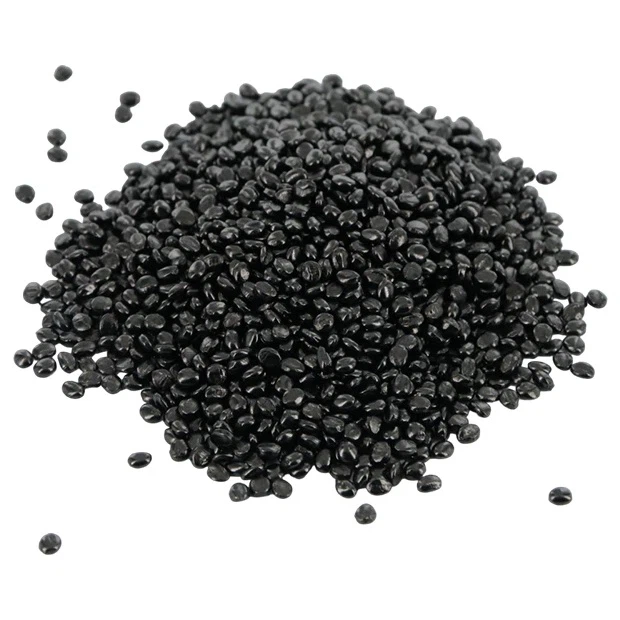
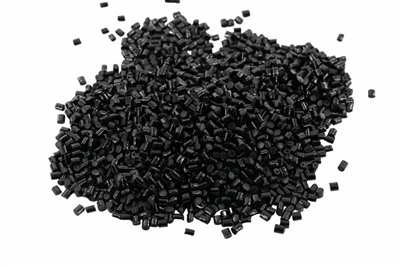

Improving the dispersion of black masterbatch for extrusion in the polymer matrix is a crucial aspect that directly impacts the quality and performance of the final polymer products. As a supplier of black masterbatch for extrusion, I've encountered various challenges and have accumulated a wealth of experience in this field. In this blog, I'll share some effective strategies to enhance the dispersion of our black masterbatch in polymer matrices.
Understanding the Basics of Black Masterbatch Dispersion
Before delving into the improvement methods, it's essential to understand what black masterbatch dispersion is. Black masterbatch is a concentrated mixture of carbon black pigments and a carrier resin. When added to the polymer matrix during the extrusion process, it should disperse evenly to achieve uniform color, UV protection, and other desired properties. Poor dispersion can lead to issues such as color streaks, uneven mechanical properties, and reduced product durability.
Factors Affecting Black Masterbatch Dispersion
Several factors can influence the dispersion of black masterbatch in the polymer matrix. One of the primary factors is the compatibility between the carrier resin of the masterbatch and the polymer matrix. If they are not compatible, the masterbatch may not disperse well, resulting in agglomeration. The particle size and distribution of the carbon black in the masterbatch also play a significant role. Smaller and more uniformly distributed particles tend to disperse better. Additionally, the processing conditions, such as temperature, shear rate, and residence time during extrusion, can greatly affect dispersion.
Strategies to Improve Dispersion
Selecting the Right Carrier Resin
As a supplier, we carefully choose the carrier resin for our black masterbatch to ensure good compatibility with a wide range of polymer matrices. For example, when targeting polyolefin - based polymers, we use polyolefin - based carrier resins. This compatibility promotes better wetting and dispersion of the carbon black particles in the polymer matrix. By understanding the specific polymer requirements of our customers, we can recommend the most suitable black masterbatch with the appropriate carrier resin. For instance, our Black Masterbatch for Sunshade Net is formulated with a carrier resin that is highly compatible with the polymers used in sunshade net production, ensuring excellent dispersion and performance.
Optimizing Carbon Black Particle Size and Distribution
We invest in advanced manufacturing processes to control the particle size and distribution of carbon black in our masterbatch. Smaller carbon black particles have a larger surface area, which allows for better interaction with the polymer matrix and more efficient dispersion. Through precise control of the production parameters, we can achieve a narrow particle size distribution, which further enhances dispersion. Our Black Masterbatch For Granulation is engineered with optimized carbon black particle characteristics, ensuring uniform dispersion during the granulation process.
Incorporating Dispersing Agents
Dispersing agents are often added to our black masterbatch formulations to improve dispersion. These agents work by reducing the surface tension between the carbon black particles and the polymer matrix, preventing particle agglomeration. They also help to wet the carbon black particles more effectively, allowing them to be more easily incorporated into the polymer. The choice of dispersing agent depends on the type of polymer matrix and the processing conditions. We conduct extensive research and testing to select the most suitable dispersing agents for different applications, such as our Black Masterbatch for Film Blown, which uses specific dispersing agents to ensure excellent dispersion in the film - blowing process.
Adjusting Processing Conditions
Proper adjustment of the extrusion processing conditions is vital for achieving good dispersion. Higher shear rates during extrusion can break up any agglomerated carbon black particles and promote better dispersion. However, excessive shear can also cause degradation of the polymer and the masterbatch. Therefore, we work closely with our customers to optimize the shear rate based on their specific extrusion equipment and polymer materials. Temperature is another critical factor. The right temperature can reduce the viscosity of the polymer matrix, allowing the masterbatch to disperse more easily. We provide detailed processing guidelines to our customers to ensure that they can achieve the best dispersion results under their specific production conditions.
Quality Control and Testing
To ensure the high - quality dispersion of our black masterbatch, we have a rigorous quality control system in place. We conduct various tests on our masterbatch products, including visual inspection, color measurement, and dispersion analysis using advanced microscopy techniques. By analyzing the dispersion state of the carbon black particles in the polymer matrix, we can identify any potential issues and make necessary adjustments to our production processes. Our commitment to quality control ensures that our customers receive black masterbatch products with consistent and excellent dispersion performance.
Customer Support and Collaboration
As a supplier, we understand that each customer's application may have unique requirements. That's why we offer comprehensive customer support. Our technical team is always ready to provide advice on selecting the right black masterbatch, optimizing processing conditions, and solving any dispersion - related problems. We also encourage collaboration with our customers. By working together, we can develop customized solutions that meet their specific needs, whether it's for Black Masterbatch for Sunshade Net, Black Masterbatch For Granulation, or Black Masterbatch for Film Blown.
Conclusion
Improving the dispersion of black masterbatch for extrusion in the polymer matrix is a multi - faceted challenge that requires a combination of careful material selection, advanced manufacturing techniques, and proper processing optimization. As a black masterbatch for extrusion supplier, we are dedicated to providing high - quality products and excellent technical support. Our experience and expertise in this field allow us to offer effective solutions to enhance dispersion and meet the diverse needs of our customers.


If you are interested in our black masterbatch products or need further advice on improving dispersion in your polymer applications, we welcome you to contact us for procurement and in - depth discussions. We look forward to the opportunity to collaborate with you and contribute to the success of your polymer products.
References
- "Plastics Additives Handbook" by Hans Zweifel
- "Dispersion of Carbon Black in Polymers" - Journal of Polymer Science: Part B: Polymer Physics
- "Extrusion: The Definitive Processing Guide and Handbook" by Christopher Rauwendaal