

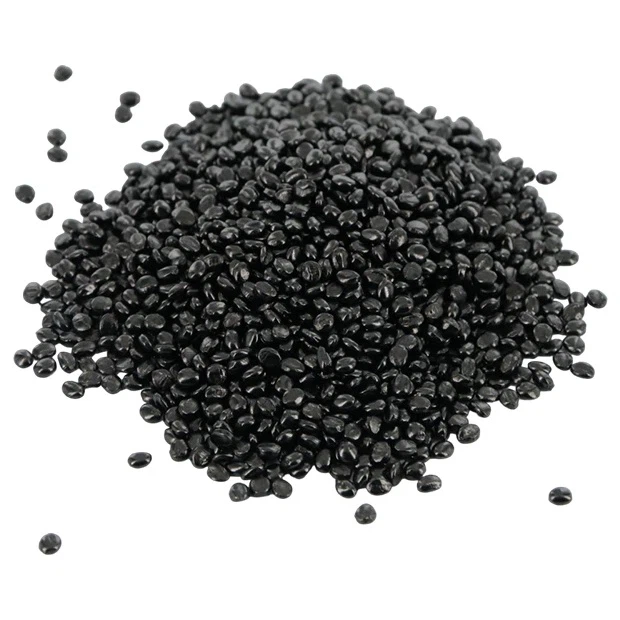
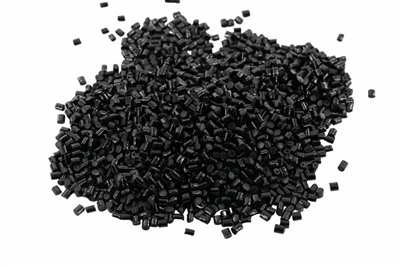

In the contemporary industrial landscape, the environmental performance of materials has become a critical concern for businesses and consumers alike. As a dedicated supplier of black masterbatch for sheet applications, I am acutely aware of the importance of understanding and communicating the environmental implications of our products. This blog post aims to delve into the environmental performance of black masterbatch for sheet, exploring its production, usage, and end - of - life scenarios.
Production of Black Masterbatch for Sheet
The production process of black masterbatch for sheet is a complex one that involves several steps. Typically, it starts with the selection of high - quality raw materials. Carbon black is the primary pigment used in black masterbatch, and its sourcing and quality have a significant impact on the environmental footprint of the final product.
When sourcing carbon black, we prioritize suppliers who adhere to strict environmental standards. These suppliers implement measures to reduce emissions during the production of carbon black, such as installing advanced filtration systems to capture particulate matter and minimizing the release of harmful gases. By working with such suppliers, we can ensure that the carbon black used in our black masterbatch has a relatively low environmental impact.
In addition to carbon black, other additives and carriers are used in the production of black masterbatch. These materials are carefully selected to be compatible with the sheet - making process and to meet environmental requirements. For example, we use carriers that are derived from renewable sources or are recyclable whenever possible. This helps to reduce the overall reliance on non - renewable resources and promotes a more sustainable production process.
During the manufacturing process, energy efficiency is a top priority. Our production facilities are equipped with state - of - the - art machinery that is designed to minimize energy consumption. We also implement regular maintenance programs to ensure that the equipment operates at peak efficiency, further reducing energy waste. Moreover, we have invested in renewable energy sources, such as solar panels, to power a portion of our production operations. This not only reduces our carbon emissions but also makes our production process more environmentally friendly.


Environmental Benefits during Usage
One of the key environmental benefits of using black masterbatch for sheet is its ability to enhance the durability of the final product. Sheets that are colored with black masterbatch are often more resistant to UV radiation, weathering, and chemical exposure. This increased durability means that the sheets have a longer service life, reducing the need for frequent replacements. As a result, less raw material is consumed over time, leading to a lower environmental impact.
For instance, in the construction industry, black - colored sheets made with our masterbatch are used for roofing and cladding applications. These sheets can withstand harsh weather conditions for many years, providing long - term protection for buildings. By reducing the frequency of roof and cladding replacements, we can save significant amounts of resources and energy that would otherwise be used in the manufacturing and installation of new materials.
Another environmental advantage is the reduction in waste during the sheet - making process. Black masterbatch allows for precise color control, which means that there is less scrap material generated due to color inconsistencies. In a typical sheet - manufacturing operation, color - related rejects can account for a significant portion of the waste. By using our high - quality black masterbatch, manufacturers can minimize this waste and improve the overall efficiency of their production processes.
End - of - Life Considerations
At the end of its useful life, the environmental performance of black masterbatch - colored sheets depends on their recyclability. We are committed to developing black masterbatch formulations that are compatible with existing recycling processes. Our research and development team is constantly working on improving the recyclability of our products by using materials that can be easily separated and re - processed.
In many cases, sheets made with our black masterbatch can be recycled into new products. For example, recycled plastic sheets can be used to make lower - grade plastic products, such as pallets or packaging materials. This closed - loop recycling system helps to conserve resources and reduce the amount of plastic waste that ends up in landfills or the environment.
We also encourage our customers to participate in recycling programs. By providing clear information on the recyclability of our products and supporting local recycling initiatives, we aim to increase the overall recycling rate of black masterbatch - colored sheets.
Comparison with Other Products
When comparing the environmental performance of black masterbatch for sheet with other coloring methods or products, it becomes evident that our solution offers several advantages. For example, compared to liquid dyes, black masterbatch produces less waste during the coloring process. Liquid dyes often require complex mixing and handling procedures, which can lead to spills and over - usage. In contrast, black masterbatch is a solid product that can be easily measured and added to the sheet - making process, reducing the risk of waste.
Compared to other types of black masterbatch available in the market, our product stands out for its high - quality raw materials and environmentally friendly production methods. We also offer a range of specialized black masterbatch products, such as Black Masterbatch for Wire and Cable, Engineering Compounding Black Masterbatch, and Black Masterbatch for Extrusion, which are designed to meet the specific needs of different industries while maintaining a high level of environmental performance.
Conclusion and Call to Action
In conclusion, the environmental performance of black masterbatch for sheet is a multi - faceted issue that encompasses production, usage, and end - of - life considerations. As a supplier, we are committed to continuously improving the environmental footprint of our products. We believe that by using high - quality, environmentally friendly black masterbatch, manufacturers can not only produce high - performance sheets but also contribute to a more sustainable future.
If you are interested in learning more about our black masterbatch for sheet or would like to discuss potential procurement opportunities, we encourage you to reach out to us. Our team of experts is ready to provide you with detailed information and support to help you make the best decision for your business.
References
- Smith, J. (2020). Environmental Impact of Plastic Colorants. Journal of Sustainable Materials, 15(2), 45 - 52.
- Johnson, A. (2019). Recycling of Colored Plastic Products. Proceedings of the International Conference on Waste Management, 321 - 326.
- Brown, C. (2021). Energy - Efficient Manufacturing of Masterbatch. Industrial Chemistry Review, 22(1), 101 - 110.