

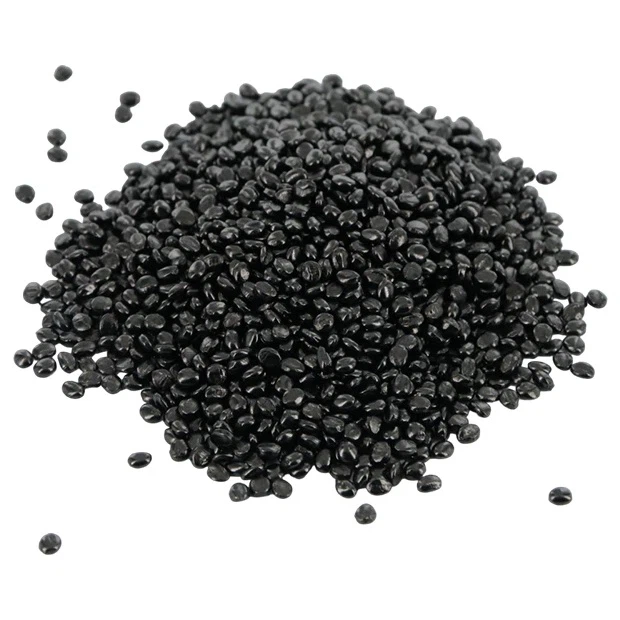
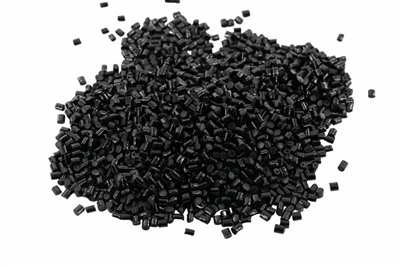

Hey there! I'm a supplier of ABS black masterbatch, and I know firsthand how frustrating it can be when your masterbatch starts to agglomerate. Agglomeration not only affects the quality of your final product but can also lead to production delays and increased costs. In this blog post, I'll share some tips on how to store ABS black masterbatch to prevent agglomeration and keep your production running smoothly.
Understanding Agglomeration
Before we dive into the storage tips, let's first understand what agglomeration is and why it occurs. Agglomeration is the process by which individual particles of masterbatch stick together to form larger clumps. This can happen due to a variety of factors, including:
- Moisture: ABS black masterbatch is hygroscopic, which means it absorbs moisture from the air. When the masterbatch absorbs too much moisture, the particles can stick together and form clumps.
- Temperature: High temperatures can cause the masterbatch to soften and become sticky, leading to agglomeration.
- Pressure: Excessive pressure on the masterbatch can cause the particles to compress and stick together.
- Contamination: If the masterbatch is contaminated with other materials, such as dust or debris, the particles can stick together and form clumps.
Storage Tips
Now that we understand what causes agglomeration, let's look at some tips on how to store ABS black masterbatch to prevent it from happening.
1. Keep the Masterbatch Dry
As I mentioned earlier, moisture is one of the main causes of agglomeration. To keep the masterbatch dry, store it in a cool, dry place away from sources of moisture, such as water pipes or humidifiers. You can also use desiccants, such as silica gel packets, to absorb any moisture that may be present in the storage area.
2. Control the Temperature
High temperatures can cause the masterbatch to soften and become sticky, leading to agglomeration. To prevent this, store the masterbatch in a temperature-controlled environment, ideally between 20°C and 25°C. Avoid storing the masterbatch in direct sunlight or near heat sources, such as radiators or heaters.
3. Avoid Excessive Pressure
Excessive pressure on the masterbatch can cause the particles to compress and stick together. To prevent this, store the masterbatch in a container that is large enough to allow for some air circulation. Avoid stacking heavy objects on top of the masterbatch, as this can cause the particles to compress and stick together.
4. Keep the Masterbatch Clean
Contamination can also cause agglomeration. To keep the masterbatch clean, store it in a sealed container to prevent dust and debris from entering. You should also avoid handling the masterbatch with dirty hands or using contaminated equipment, as this can introduce foreign materials into the masterbatch.
5. Use Proper Handling Techniques
When handling the masterbatch, it's important to use proper techniques to prevent agglomeration. Avoid dropping or shaking the masterbatch, as this can cause the particles to stick together. Instead, use a scoop or a funnel to transfer the masterbatch from one container to another.
Additional Tips
In addition to the storage tips I've mentioned above, here are some additional tips that can help you prevent agglomeration:
- Use a Silo or a Hopper: If you have a large quantity of masterbatch, consider using a silo or a hopper to store it. These containers are designed to provide a controlled environment for the masterbatch and can help prevent agglomeration.
- Rotate Your Stock: To ensure that the masterbatch is used in a timely manner, it's important to rotate your stock. This means using the oldest masterbatch first and storing the newer masterbatch at the back of the storage area.
- Inspect the Masterbatch Regularly: Regularly inspect the masterbatch for signs of agglomeration, such as clumps or lumps. If you notice any signs of agglomeration, take immediate action to prevent it from spreading.
Conclusion
Storing ABS black masterbatch properly is essential to prevent agglomeration and ensure the quality of your final product. By following the tips I've outlined in this blog post, you can keep your masterbatch dry, cool, and free from contamination, and prevent it from sticking together. Remember to use proper handling techniques and inspect the masterbatch regularly to ensure that it remains in good condition.


If you're in the market for high-quality ABS black masterbatch, Black Masterbatch for Automotive and Black Masterbatch For Automotive are great options. We also offer PP Black Masterbatch for those who need a different type of masterbatch. If you have any questions or would like to discuss your specific needs, please don't hesitate to contact us. We're here to help you find the right masterbatch for your application and ensure that your production runs smoothly.
References
- "Plastics Additives Handbook," 6th Edition, edited by Hans Zweifel
- "Masterbatch Technology: Principles and Practice," by R. A. Backer and A. J. Ryan
- "Polymer Processing: Principles and Design," by S. Middleman and A. L. Acrivos