

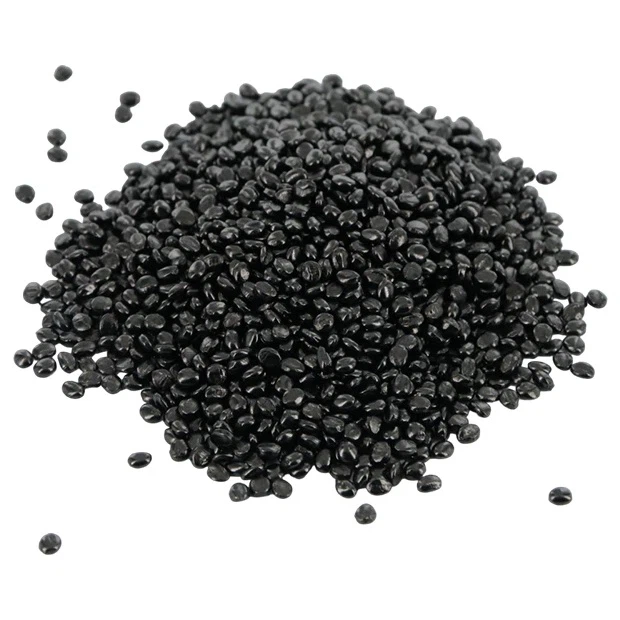
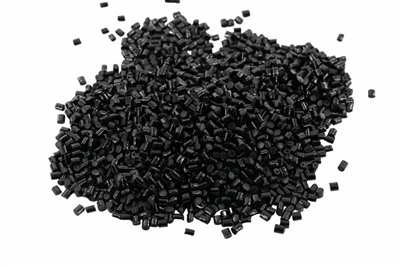

As a trusted supplier of black masterbatch for extrusion, I understand the critical importance of proper storage to maintain the quality and performance of our products. In this blog post, I'll share some professional insights and practical tips on how to store black masterbatch for extrusion properly.
Understanding the Characteristics of Black Masterbatch for Extrusion
Before delving into storage methods, it's essential to understand the nature of black masterbatch for extrusion. Black masterbatch is a concentrated mixture of carbon black pigment and a carrier resin. It is designed to impart a deep black color to various plastic products during the extrusion process. The carrier resin can vary, including polyethylene (PE), polypropylene (PP), and others, each with its own set of physical and chemical properties.
Carbon black, the primary pigment in black masterbatch, is highly absorptive and can adsorb moisture, dust, and other contaminants from the environment. Additionally, the carrier resin can be sensitive to temperature, humidity, and light, which can affect its flowability, dispersion, and overall performance. Therefore, improper storage conditions can lead to a range of issues, such as color variation, poor dispersion, and reduced mechanical properties of the final extruded products.
Ideal Storage Conditions
Temperature
Maintaining a stable temperature is crucial for storing black masterbatch. The recommended storage temperature range is typically between 20°C and 30°C (68°F - 86°F). Extreme temperatures can have adverse effects on the masterbatch. High temperatures can cause the carrier resin to soften or even melt, leading to clumping and difficulty in handling. On the other hand, low temperatures can make the masterbatch brittle, which may result in breakage during handling and affect its dispersion in the extrusion process.
It's important to avoid storing black masterbatch in areas exposed to direct sunlight or near heat sources such as heaters, boilers, or industrial ovens. If the storage facility is located in an area with significant temperature fluctuations, consider using climate - controlled storage units to ensure a consistent temperature environment.
Humidity
Humidity is another critical factor. The relative humidity in the storage area should be kept between 40% and 60%. High humidity can cause the carbon black to adsorb moisture, which can lead to agglomeration of the masterbatch particles. Moisture can also react with the carrier resin, potentially causing hydrolysis or other chemical reactions that degrade the quality of the masterbatch.
To control humidity, you can use dehumidifiers in the storage area, especially in regions with high ambient humidity. Additionally, ensure proper ventilation to prevent the accumulation of moisture. Avoid storing black masterbatch in basements or areas prone to water leakage.
Light
Exposure to light, especially ultraviolet (UV) light, can cause the carbon black in the masterbatch to undergo photo - oxidation, which may change its color and reduce its effectiveness as a pigment. Therefore, black masterbatch should be stored in a dark or low - light environment. If possible, use opaque storage containers or cover the masterbatch bags with light - blocking materials.
Storage Containers and Packaging
Original Packaging
Most black masterbatch products are supplied in sealed bags or containers. It's advisable to keep the masterbatch in its original packaging until it's ready to be used. The original packaging is designed to provide a certain level of protection against moisture, dust, and light. Ensure that the packaging is intact and properly sealed at all times.
Secondary Containers
If you need to transfer the masterbatch to secondary containers, choose containers made of suitable materials. Plastic containers with tight - fitting lids are a good option. Avoid using containers made of materials that can react with the masterbatch or introduce contaminants. Make sure the secondary containers are clean and dry before transferring the masterbatch.
Labeling
Proper labeling of storage containers is essential. Clearly mark the containers with the product name, batch number, production date, and expiration date (if applicable). This helps in inventory management and ensures that you use the oldest stock first (first - in, first - out principle).


Storage Layout and Organization
Shelving
Use sturdy shelving units to store black masterbatch. This helps to keep the masterbatch off the floor, reducing the risk of damage from moisture, pests, and accidental spills. Ensure that the shelves are clean and dry, and avoid overloading them to prevent the collapse of the masterbatch bags or containers.
Segregation
Separate different types and grades of black masterbatch. This prevents cross - contamination and makes it easier to locate specific products when needed. For example, keep Black Masterbatch for Wire and Cable, Black Masterbatch For Injection, and Black Masterbatch for Pipe in separate areas.
Inventory Management
Implement a proper inventory management system. Regularly inspect the stored masterbatch for signs of damage, such as torn bags, clumping, or discoloration. Keep track of the stock levels and reorder in a timely manner to avoid running out of essential products.
Handling During Storage
Loading and Unloading
When loading or unloading black masterbatch, handle the bags or containers with care. Avoid dropping or rough handling, which can cause damage to the packaging and lead to spillage or contamination. Use appropriate handling equipment, such as forklifts or pallet jacks, to move large quantities of masterbatch safely.
Sampling
If you need to take samples from the stored masterbatch for quality control purposes, use clean and dry sampling tools. After sampling, make sure to reseal the packaging properly to prevent moisture and contaminants from entering.
Benefits of Proper Storage
Proper storage of black masterbatch for extrusion offers several benefits. Firstly, it ensures consistent product quality. By maintaining the ideal storage conditions, the masterbatch retains its original properties, resulting in uniform color and excellent dispersion in the extruded products. This leads to higher - quality end - products that meet or exceed customer expectations.
Secondly, proper storage reduces waste. When the masterbatch is stored correctly, the risk of spoilage and degradation is minimized, which means less material is wasted due to poor quality. This not only saves costs but also has a positive environmental impact.
Finally, it enhances operational efficiency. Well - stored masterbatch is easier to handle and use in the extrusion process. There are fewer issues with clumping or blockages in the extrusion equipment, which reduces downtime and increases productivity.
Conclusion
Storing black masterbatch for extrusion properly is a multi - faceted process that requires attention to temperature, humidity, light, storage containers, and handling. By following the guidelines outlined in this blog post, you can ensure the long - term quality and performance of our black masterbatch products.
If you are interested in purchasing high - quality black masterbatch for extrusion, we are here to provide you with the best products and services. Contact us for more information and to start a procurement discussion. We look forward to partnering with you to meet your extrusion needs.
References
- "Plastics Additives Handbook" by Hans Zweifel
- Industry standards and guidelines on plastic masterbatch storage.