


Hey there! As a supplier of black masterbatch for injection, I often get asked about the acid and alkali resistance of our products. So, I thought I'd write this blog to share some insights on this topic.
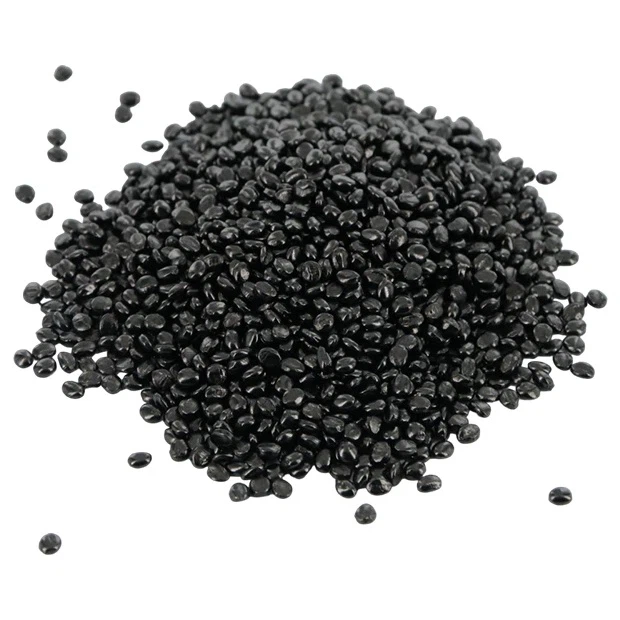
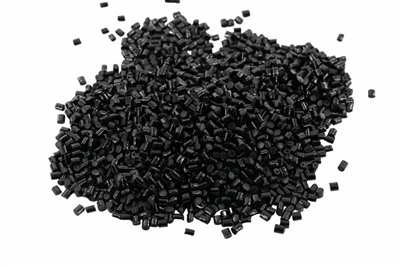
First off, let's talk about what black masterbatch for injection is. It's a concentrated form of colorant that's used to add black color to plastic products during the injection molding process. It's made up of carbon black pigment, a carrier resin, and various additives. The carrier resin is usually a polymer that's compatible with the plastic being molded, and the additives are used to improve the performance of the masterbatch.
Now, let's get into the acid and alkali resistance of black masterbatch for injection. Acid and alkali resistance refers to the ability of a material to withstand the corrosive effects of acids and alkalis. In the case of black masterbatch, this is important because plastic products are often exposed to a variety of chemicals during their use. For example, plastic containers used for storing chemicals or food may come into contact with acids or alkalis, and the black masterbatch used to color these containers needs to be able to resist corrosion.
The acid and alkali resistance of black masterbatch for injection depends on several factors, including the type of carbon black pigment used, the carrier resin, and the additives. Different types of carbon black have different levels of chemical resistance, so it's important to choose the right type for your application. For example, furnace black is generally more resistant to acids and alkalis than thermal black.
The carrier resin also plays a role in the acid and alkali resistance of the masterbatch. Some polymers are more resistant to chemicals than others, so it's important to choose a carrier resin that's compatible with the plastic being molded and has good chemical resistance. For example, polypropylene (PP) is a popular carrier resin for black masterbatch because it has good chemical resistance and is compatible with a wide range of plastics.
In addition to the carbon black pigment and the carrier resin, additives can also be used to improve the acid and alkali resistance of the masterbatch. For example, antioxidants and UV stabilizers can help to protect the masterbatch from degradation caused by exposure to chemicals and sunlight.
At our company, we offer a range of black masterbatch products with different levels of acid and alkali resistance to meet the needs of our customers. Our Black Masterbatch for PP Tableware is designed for use in the production of plastic tableware and has excellent acid and alkali resistance to ensure that the tableware remains safe and durable. Our Black Masterbatch for Garbage Bag is suitable for use in the production of garbage bags and has good resistance to acids and alkalis to prevent the bags from deteriorating when exposed to chemicals. And our Black Masterbatch for Drain Pipe is designed for use in the production of drain pipes and has high acid and alkali resistance to ensure that the pipes can withstand the corrosive effects of sewage and other chemicals.
When choosing a black masterbatch for injection, it's important to consider the specific requirements of your application. If you're using the masterbatch in a product that will be exposed to acids or alkalis, you'll need to choose a product with high acid and alkali resistance. You should also consider the processing conditions, such as the temperature and pressure, as these can affect the performance of the masterbatch.
In conclusion, the acid and alkali resistance of black masterbatch for injection is an important factor to consider when choosing a product for your application. By choosing the right type of carbon black pigment, carrier resin, and additives, you can ensure that the masterbatch has the necessary chemical resistance to meet the needs of your product. At our company, we're committed to providing high-quality black masterbatch products with excellent acid and alkali resistance. If you're interested in learning more about our products or have any questions, please don't hesitate to contact us. We'd be happy to discuss your specific requirements and help you choose the right product for your application.


References
- "Plastic Additives Handbook" by Hans Zweifel
- "Carbon Black: Science and Technology" by Donnet, Boudou, and Wang