

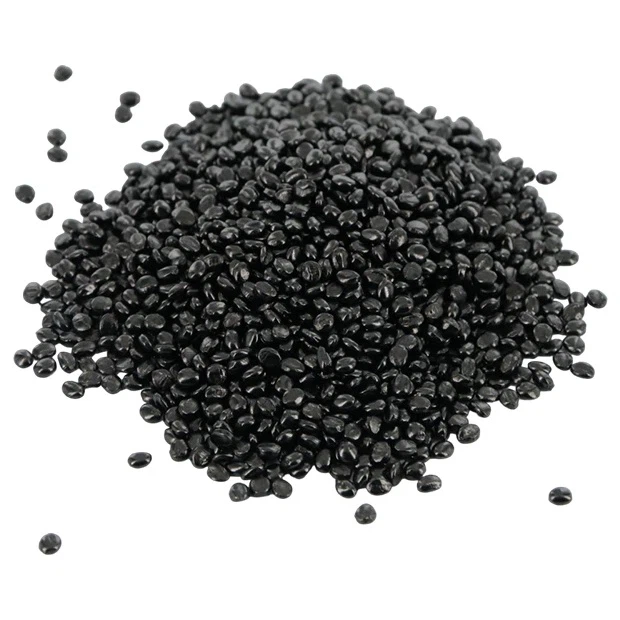
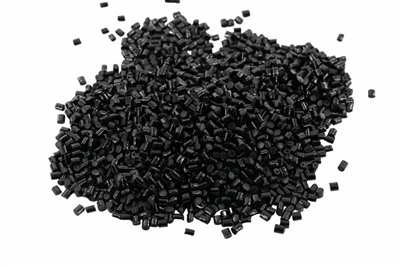

Hey there! As a supplier of PS black masterbatch, I've seen firsthand how crucial proper storage is. If you don't store it right, you can end up with a product that just doesn't perform as it should. So, let's dive into how to store PS black masterbatch properly.
Why Proper Storage Matters
First off, why should you care about storing PS black masterbatch correctly? Well, this stuff is designed to give your plastic products that rich, deep black color and other great properties. But if it's exposed to the wrong conditions, its quality can degrade. For example, it might clump together, which makes it hard to mix evenly in your plastic production process. And that can lead to inconsistent color and performance in your final products.
Ideal Storage Conditions
Temperature
The temperature is a big deal when it comes to storing PS black masterbatch. You want to keep it in a place where the temperature is stable. Extreme heat can cause the masterbatch to melt or degrade, while extreme cold can make it brittle. A good rule of thumb is to store it at a temperature between 20°C and 30°C (68°F and 86°F).
If you're in an area with really hot summers or cold winters, you might need to use climate - controlled storage. That could mean a storage facility with air - conditioning in the summer or heating in the winter. It might cost a bit more, but it's worth it to keep your masterbatch in top condition.
Humidity
Humidity is another factor that can mess with your PS black masterbatch. High humidity can cause the masterbatch to absorb moisture. Once it does that, it can start to clump, and the moisture can also react with the pigments and other additives in the masterbatch. This can change its properties and make it less effective.

You should aim to keep the humidity level in the storage area below 60%. You can use dehumidifiers in areas with high humidity to achieve this. And make sure the storage area is well - ventilated to prevent moisture from building up.
Light
Exposure to light, especially direct sunlight, can also have a negative impact on PS black masterbatch. Ultraviolet (UV) rays in sunlight can break down the pigments in the masterbatch over time. This can cause the color to fade and the overall quality to decline.
So, store your masterbatch in a dark place. If you're using a warehouse, make sure the storage area is away from windows or use blackout curtains to block out the light.
Storage Containers
Sealed Bags
Most PS black masterbatch comes in sealed bags when you first receive it. These bags are usually designed to keep out moisture and air. As long as the bags are intact, they're a good option for short - term storage. Just make sure to keep the bags sealed tightly. If you need to open a bag to use some of the masterbatch, reseal it as best you can. You can use clips or tie the bag shut.

Drums
For longer - term storage or larger quantities, drums can be a better choice. Drums provide more protection against physical damage and can be sealed more effectively. Look for drums made of materials that are resistant to corrosion and moisture. You can also use liners inside the drums to add an extra layer of protection.
When filling drums with masterbatch, make sure not to overfill them. Leave some space at the top to allow for air circulation and to prevent the masterbatch from spilling out when the drum is moved.
Handling During Storage
Stacking
If you're stacking your storage containers, be careful not to stack them too high. Over - stacking can put too much pressure on the bottom containers, which can cause them to break or damage the masterbatch inside. Follow the manufacturer's guidelines on how many containers can be safely stacked on top of each other.
Also, make sure the containers are stacked evenly and on a stable surface. This will prevent them from toppling over and causing a mess.
Movement
Try to minimize the movement of the storage containers. Every time you move a container, there's a risk of it getting damaged or the masterbatch inside getting shaken up too much. If you do need to move the containers, use proper handling equipment like forklifts or pallet jacks to ensure a smooth and safe transfer.
Compatibility with Other Materials
It's important to store your PS black masterbatch away from other materials that could react with it. For example, some chemicals can react with the pigments or additives in the masterbatch, causing it to change its properties.
If you're storing other types of masterbatch or plastic raw materials in the same area, make sure to keep them separated. You can use shelves or partitions to create distinct storage areas for different products.
Monitoring and Inspection
Regularly monitor and inspect your stored PS black masterbatch. Check for any signs of damage to the storage containers, such as holes or tears. Look for clumping or discoloration of the masterbatch itself.
If you notice any issues, take action right away. For example, if you find a bag with a small tear, you can transfer the masterbatch to a new, sealed bag. If you see signs of clumping, you might need to break up the clumps carefully or consider if the masterbatch is still suitable for use.
Related Products
If you're interested in other types of black masterbatch, we also offer PC Black Masterbatch, which is specifically designed for PC plastics. And for automotive applications, our Black Masterbatch For Automotive is a great choice. We also have No Carrier Black Masterbatch, which has its own unique advantages.
Conclusion
Proper storage of PS black masterbatch is essential to maintain its quality and performance. By controlling the temperature, humidity, and light, using the right storage containers, handling it carefully, and keeping it away from incompatible materials, you can ensure that your masterbatch is in great shape when you're ready to use it.
If you're in the market for high - quality PS black masterbatch or have any questions about storage or our other products, don't hesitate to reach out. We're here to help you get the best results for your plastic production.
References
- "Plastic Masterbatch Technology Handbook", a well - known industry reference book that provides in - depth knowledge about masterbatch properties and storage requirements.
- Various industry research papers on the effects of environmental factors on plastic masterbatch quality.