

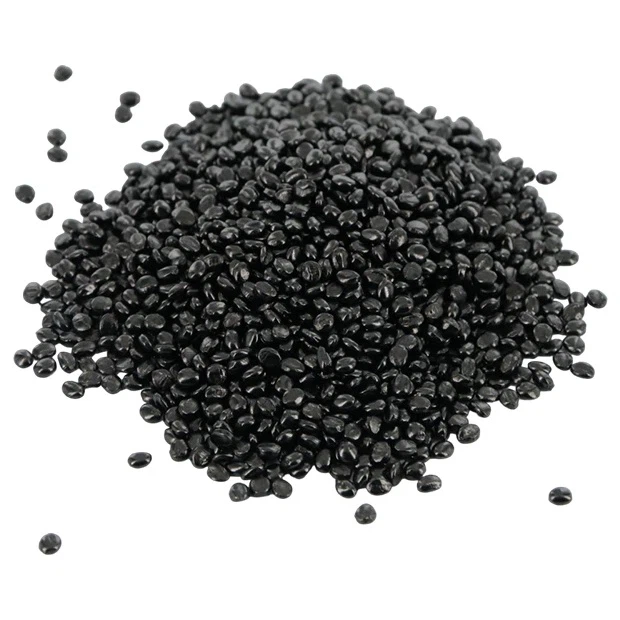
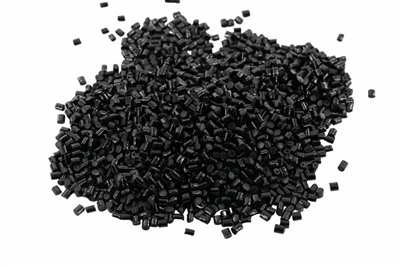

As a supplier of ABS black masterbatch, I've had my fair share of experiences in this industry. Over the years, I've learned that several factors can significantly impact the performance of ABS black masterbatch. In this blog, I'll break down these factors so you can have a better understanding of what goes into making high - quality ABS black masterbatch.
1. Carbon Black Quality
Carbon black is the primary pigment in ABS black masterbatch, and its quality is crucial. Different grades of carbon black have varying particle sizes, surface areas, and structures.
Smaller particle - sized carbon black generally offers better dispersion and a higher tinting strength. This means that less carbon black is needed to achieve the desired black color. For example, furnace black with a fine particle size can provide a deep, rich black color with excellent covering power. On the other hand, carbon black with a larger particle size may result in uneven dispersion, leading to a speckled appearance in the final product.
The surface area of carbon black also plays a role. A higher surface area means more interaction with the polymer matrix, which can enhance the color intensity. However, it can also make the carbon black more difficult to disperse. So, finding the right balance is key.
The structure of carbon black, which refers to the way the particles are aggregated, affects the rheological properties of the masterbatch. High - structure carbon black can increase the viscosity of the masterbatch, which might be a problem during processing. You can learn more about specialized black masterbatches like No Carrier Black Masterbatch, which might use specific carbon black grades for unique performance.


2. Dispersion
Proper dispersion of carbon black in the ABS resin is essential for good performance. Poor dispersion can lead to issues such as color streaks, reduced mechanical properties, and inconsistent appearance.
There are several factors that influence dispersion. The mixing equipment used during the production of the masterbatch is a major one. High - shear mixers can break down the carbon black aggregates and distribute them evenly in the ABS resin. If the mixing time is too short or the shear force is insufficient, the carbon black won't disperse well.
The use of dispersing agents can also improve dispersion. These agents reduce the surface tension between the carbon black and the ABS resin, making it easier for the carbon black to mix in. However, the type and amount of dispersing agent need to be carefully selected. Too much dispersing agent can have a negative impact on the mechanical properties of the final product.
3. Compatibility with ABS Resin
The compatibility between the carbon black and the ABS resin is another critical factor. ABS is a terpolymer composed of acrylonitrile, butadiene, and styrene, and its chemical properties need to be considered when formulating the masterbatch.
If the carbon black is not compatible with the ABS resin, it can lead to phase separation. This means that the carbon black and the ABS resin won't blend properly, resulting in a weak interface between them. As a result, the mechanical properties of the final product, such as impact strength and tensile strength, can be significantly reduced.
To ensure compatibility, the surface chemistry of the carbon black can be modified. Some carbon blacks are treated with special coatings to make them more compatible with ABS resin. This treatment can improve the adhesion between the carbon black and the resin, enhancing the overall performance of the masterbatch.
4. Processing Conditions
The processing conditions during the production of the ABS product using the black masterbatch can have a big impact on its performance.
The temperature is an important factor. If the processing temperature is too high, it can cause thermal degradation of the carbon black or the ABS resin. This can lead to a change in color, a reduction in mechanical properties, and the formation of volatile compounds. On the other hand, if the temperature is too low, the masterbatch may not melt properly, resulting in poor dispersion and an uneven appearance.
The injection molding or extrusion speed also matters. A high - speed process can generate high shear forces, which can improve dispersion. However, if the speed is too high, it can cause the material to overheat. The pressure during processing also affects the flow and distribution of the masterbatch in the mold or extruder.
5. Additives
In addition to carbon black and dispersing agents, other additives can be used in ABS black masterbatch to enhance its performance.
UV stabilizers are often added to prevent the masterbatch from fading or degrading when exposed to sunlight. ABS products that are used outdoors, such as automotive parts, need good UV resistance. Black Masterbatch for Automotive typically contains UV stabilizers to meet the high - quality requirements of the automotive industry.
Antioxidants can be added to prevent the oxidation of the ABS resin and the carbon black. Oxidation can lead to a change in color and a reduction in mechanical properties over time.
Lubricants are also commonly used. They can improve the flow properties of the masterbatch during processing, reducing the friction between the material and the processing equipment. This can result in a smoother surface finish and better dimensional stability of the final product.
6. Storage Conditions
The way the ABS black masterbatch is stored can also affect its performance. If it's stored in a humid environment, moisture can be absorbed by the masterbatch. This can cause problems during processing, such as foaming or a change in the viscosity of the material.
Extreme temperatures during storage can also have a negative impact. High temperatures can cause the masterbatch to age prematurely, leading to a reduction in its performance. It's important to store the masterbatch in a cool, dry place to maintain its quality.
7. Quality Control During Production
Strict quality control during the production of the ABS black masterbatch is essential. This includes regular testing of the raw materials, such as the carbon black and the ABS resin, to ensure their quality meets the standards.
During the mixing process, samples should be taken at regular intervals to check the dispersion and color consistency. This can be done using techniques such as microscopy and colorimetry.
The final product should also be tested for mechanical properties, such as impact strength, tensile strength, and flexural strength. Only by ensuring that every batch of masterbatch meets the required quality standards can we guarantee its performance in the final ABS products.
In conclusion, the performance of ABS black masterbatch is affected by multiple factors, from the quality of the carbon black to the processing conditions and the use of additives. As a supplier, we're constantly working on optimizing these factors to provide the best - quality masterbatch to our customers.
If you're in the market for high - quality ABS black masterbatch or want to learn more about our PC Black Masterbatch and other specialized products, feel free to reach out and start a discussion about your specific requirements. We're here to help you find the perfect solution for your ABS product manufacturing needs.
References
- "Plastics Additives Handbook" by Hans Zweifel
- "Polymer Blends and Composites" by Luigi Nicolais and Achille Turturro
- Industry research reports on ABS and black masterbatch production