

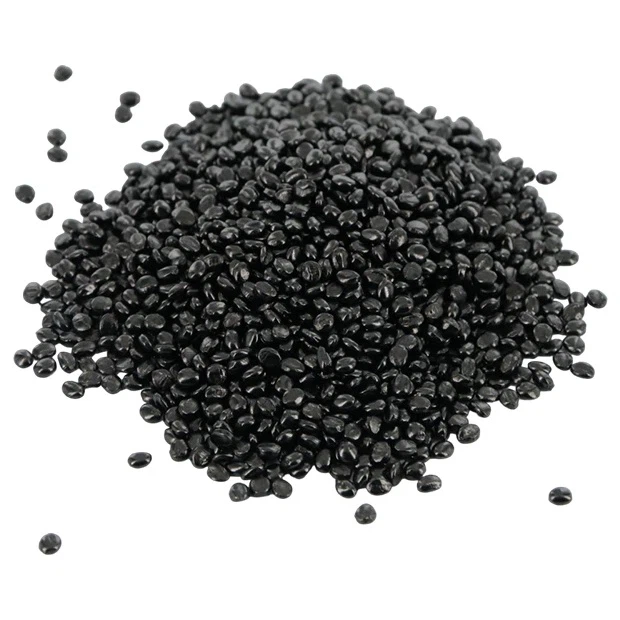
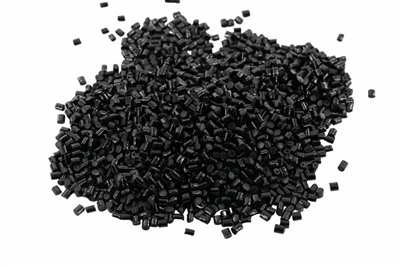

Yo, what's up, folks! As a supplier of PA black masterbatch, I've been keeping my eyes peeled on the latest happenings in this industry. PA black masterbatch, as you probably know, is a key player in the plastics world, used to give that deep, rich black color to all sorts of polyamide (PA) products. So, let's dive right into the new trends in PA black masterbatch technology.
1. Enhanced Dispersion Technology
One of the biggest trends right now is all about better dispersion. You see, when you're using a masterbatch, you want that colorant to spread out evenly throughout the polymer matrix. Uneven dispersion can lead to color streaks, inconsistent shade, and overall poor product quality.
In the past, achieving good dispersion in PA black masterbatch was a bit of a challenge. PA has a high melting point and a relatively viscous nature, which made it tough for the carbon black (the most common colorant in black masterbatch) to mix in properly. But now, new dispersion technologies are emerging.
Some suppliers are using advanced surfactants and dispersing agents. These chemicals act like little helpers, reducing the surface tension between the carbon black particles and the PA resin. This allows the carbon black to break down into smaller, more evenly distributed particles within the masterbatch. As a result, when you use the masterbatch in your production process, you get a more uniform black color across the entire product.
Another approach is the use of high - shear mixing equipment during the masterbatch manufacturing process. These machines apply intense mechanical force to the mixture, breaking up any agglomerates of carbon black and ensuring better integration with the PA carrier. This high - shear mixing can be done using twin - screw extruders or other specialized mixing devices.
2. Improved UV Resistance
Products made with PA black masterbatch are often exposed to sunlight and other sources of UV radiation. Over time, UV rays can cause the color of the product to fade, and can also degrade the mechanical properties of the PA material. That's why improved UV resistance is a hot trend in PA black masterbatch technology.
Manufacturers are now incorporating special UV stabilizers into their PA black masterbatch formulations. These stabilizers work in different ways. Some absorb the UV radiation and convert it into heat, which is then dissipated. Others act as free - radical scavengers, preventing the formation of harmful free radicals that can cause degradation of the polymer and color fading.
For example, hindered amine light stabilizers (HALS) are commonly used in PA black masterbatch. They are very effective in protecting the PA material from UV damage. By using these advanced UV stabilizers, the masterbatch can ensure that the final product retains its black color and mechanical integrity for a much longer time, even when exposed to harsh outdoor conditions.
3. Eco - Friendly Formulations
In today's world, environmental concerns are at the forefront of everything we do. And the PA black masterbatch industry is no exception. There's a growing demand for eco - friendly masterbatch formulations.
One aspect of this is the use of sustainable raw materials. Instead of using traditional carbon black that may have a high environmental impact during production, some suppliers are exploring the use of bio - based carbon black. Bio - based carbon black is derived from renewable sources such as biomass, and its production generally has a lower carbon footprint.
Another trend is the reduction of volatile organic compounds (VOCs) in the masterbatch. VOCs can be released into the environment during the processing of the masterbatch and the final product. By formulating masterbatch with low or no VOCs, we can reduce the environmental impact and also improve the working conditions for those involved in the manufacturing process.

Some manufacturers are also focusing on creating masterbatch that is more recyclable. This means using carriers and additives that are compatible with the recycling process of PA materials. By doing so, we can contribute to a more circular economy, where materials are reused and recycled instead of being discarded.
4. Customization and Speciality Grades
Customers these days have very specific requirements for their PA products. That's why customization and speciality grades of PA black masterbatch are becoming more and more popular.
For example, some industries need PA black masterbatch with high conductivity. This is useful in applications where static electricity needs to be dissipated, such as in electronic packaging or automotive components. Manufacturers are now developing speciality grades of PA black masterbatch that contain conductive additives, like carbon nanotubes or conductive carbon black, to meet these needs.
There are also requirements for food - contact grade PA black masterbatch. In the food packaging industry, the masterbatch used must meet strict safety standards to ensure that it doesn't contaminate the food. Suppliers are formulating masterbatch that is compliant with food - contact regulations, using approved colorants and additives.
If you're interested in these speciality grades, you can check out our No Carrier Black Masterbatch, PP Black Masterbatch, and PA Black Masterbatch pages on our website for more details.
5. Digitalization in Production and Quality Control
The digital revolution is hitting the PA black masterbatch industry too. Digitalization is being used in both production and quality control processes.
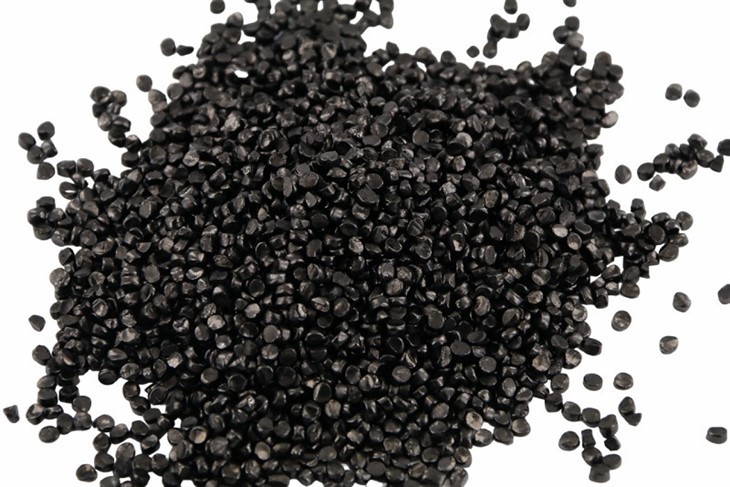
In production, manufacturers are using advanced process control systems. These systems use sensors and data analytics to monitor and adjust the manufacturing process in real - time. For example, sensors can measure the temperature, pressure, and flow rate of the materials during extrusion. If any of these parameters deviate from the set values, the system can automatically make adjustments to ensure consistent product quality.
In quality control, digital imaging and spectroscopy techniques are being used. Digital imaging can be used to detect any color variations or defects in the masterbatch pellets. Spectroscopy can analyze the chemical composition of the masterbatch to ensure that it meets the required specifications. This digital approach to quality control allows for more accurate and efficient inspection, reducing the chances of defective products reaching the market.
Conclusion
So, there you have it, the new trends in PA black masterbatch technology. From enhanced dispersion and improved UV resistance to eco - friendly formulations, customization, and digitalization, the industry is evolving at a rapid pace.
If you're in the market for high - quality PA black masterbatch that incorporates these latest trends, don't hesitate to get in touch with us. We're always happy to have a chat about your specific needs and how we can provide the best solution for you. Whether you're looking for a standard grade or a speciality formulation, we've got you covered. So, let's start the conversation and take your PA products to the next level!
References
- "Plastics Additives Handbook" by Hans Zweifel
- "Polymer Science and Technology" by James E. Mark
- Industry reports from leading market research firms on the masterbatch industry.