

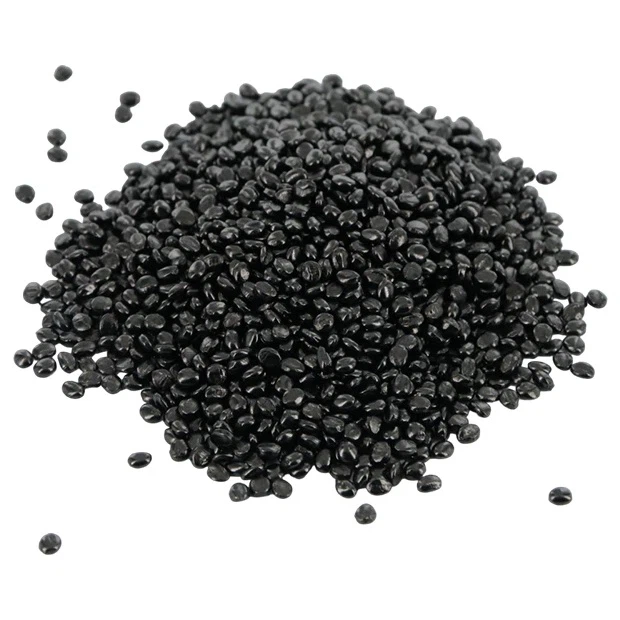
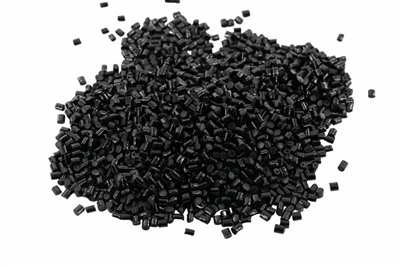

Hey there! As a supplier of black masterbatch for film blown, I often get asked about the abrasion resistance of films made with our black masterbatch. So, let's dig into this topic and find out what it's all about.
First off, what exactly is abrasion resistance? Well, it's basically a measure of how well a material can withstand wear and tear caused by friction. In the context of films blown with black masterbatch, this means how well the film can resist scratches, scuffs, and other forms of mechanical damage during handling, storage, or use.
The abrasion resistance of a film blown with black masterbatch depends on several factors. One of the most important is the quality of the black masterbatch itself. High - quality black masterbatch is formulated with carefully selected pigments and additives that not only provide excellent color but also enhance the physical properties of the film. For example, some of our black masterbatch products contain special lubricants and anti - abrasion agents. These additives help to reduce the friction between the film surface and other objects, thereby improving its abrasion resistance.
Another factor is the resin used in combination with the black masterbatch. Different resins have different inherent properties, and some are more abrasion - resistant than others. For instance, polyethylene (PE) is a commonly used resin for film blowing, and high - density polyethylene (HDPE) generally offers better abrasion resistance compared to low - density polyethylene (LDPE). When we formulate our black masterbatch, we take into account the type of resin our customers will be using. This ensures that the combination of the resin and the black masterbatch results in a film with optimal abrasion resistance.


The processing conditions during film blowing also play a crucial role. Temperature, pressure, and extrusion speed can all affect the final properties of the film. If the processing conditions are not properly controlled, the film may have a non - uniform structure, which can lead to reduced abrasion resistance. That's why we always provide our customers with detailed processing guidelines to help them achieve the best results.
Now, let's talk about the applications where the abrasion resistance of films blown with black masterbatch is particularly important.
In the packaging industry, films need to be able to withstand the rigors of handling during shipping and storage. For example, if you're packaging heavy or rough - edged products, a film with poor abrasion resistance may get damaged easily, exposing the contents inside. Our black masterbatch can be used to produce high - quality packaging films that offer excellent protection against abrasion. Whether it's for packaging consumer goods, industrial products, or food items, our films can keep the products safe from scratches and other forms of damage.
In the agricultural sector, films are used for various purposes such as greenhouse covers and mulching. These films are constantly exposed to the elements, including wind - blown sand and debris. A film with good abrasion resistance will last longer and provide better protection for the crops. Check out our Black Masterbatch for Agriculture Film. It's specifically designed to meet the demands of the agricultural environment, offering enhanced abrasion resistance along with other beneficial properties like UV protection.
For the production of filaments, abrasion resistance is also a key consideration. Filaments are often used in applications where they are subject to rubbing against other surfaces. Our Black Masterbatch for Filament is formulated to provide filaments with good abrasion resistance, ensuring their durability in long - term use.
In the production of PP tableware, films need to be able to resist scratches and abrasion during use. Our Black Masterbatch for PP Tableware helps to create tableware that not only looks great but also stands up to the daily wear and tear.
To test the abrasion resistance of films blown with our black masterbatch, we use a variety of methods. One common method is the Taber abrasion test. In this test, a sample of the film is rubbed against an abrasive wheel under a specified load for a certain number of cycles. After the test, the weight loss of the film is measured, and this gives us an indication of its abrasion resistance. We conduct these tests regularly to ensure that our products meet the highest standards of quality.
We also offer customized solutions for customers who have specific requirements for abrasion resistance. If you need a film with extremely high abrasion resistance for a particular application, we can work with you to develop a tailored black masterbatch formulation. Our team of experts will take into account all the factors mentioned above and come up with a solution that meets your exact needs.
In conclusion, the abrasion resistance of films blown with black masterbatch is a complex but important property. It depends on the quality of the black masterbatch, the type of resin used, the processing conditions, and the specific application. As a supplier, we are committed to providing high - quality black masterbatch products that offer excellent abrasion resistance for a wide range of applications.
If you're interested in learning more about our black masterbatch products or need a customized solution for your film - blowing needs, don't hesitate to get in touch. We're here to help you find the best product that meets your requirements.
References
- "Plastics Additives Handbook" by Hans Zweifel
- "Polymer Science and Technology" by Joel R. Fried