

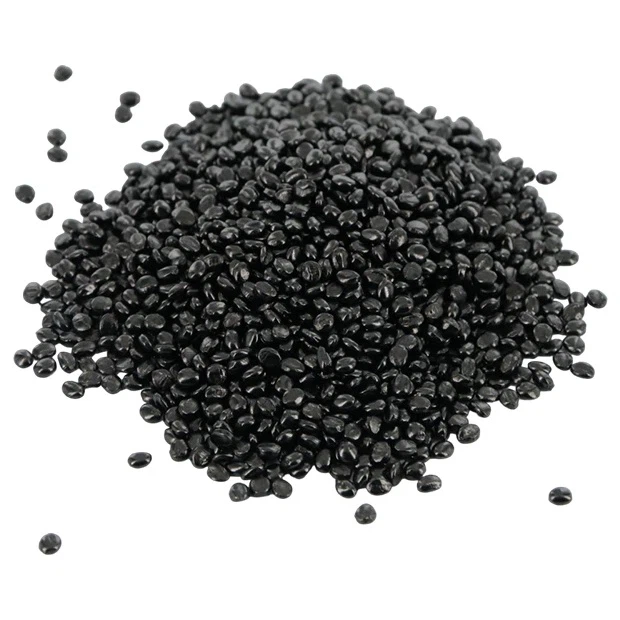
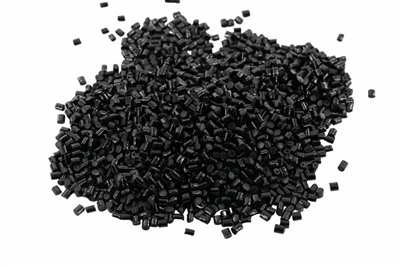

The availability of raw materials for black masterbatch for pipes is a critical factor that influences the production, quality, and cost - effectiveness of this essential product in the plastic industry. As a supplier of black masterbatch for pipes, I have witnessed firsthand how the raw material situation can shape the market.
Key Raw Materials for Black Masterbatch for Pipes
The primary raw material for black masterbatch is carbon black. Carbon black is a fine powder composed of elemental carbon particles. It provides the characteristic black color to the masterbatch and also enhances the pipe's UV resistance, electrical conductivity, and mechanical properties. Different grades of carbon black are available, each with unique particle sizes, surface areas, and structures. For pipe applications, high - quality carbon black with a suitable particle size distribution is preferred to ensure good dispersion in the polymer matrix and optimal performance of the final pipe product.
Another crucial raw material is the carrier resin. The carrier resin serves as the medium in which the carbon black is dispersed. It should have good compatibility with the base polymer of the pipe. Commonly used carrier resins include polyethylene (PE), polypropylene (PP), and other polyolefins. For example, in the production of PE pipes, a PE - based carrier resin is often used. The choice of carrier resin can affect the processing properties of the black masterbatch, such as its melt flow index, and ultimately the extrusion or molding process of the pipes.
Additives are also an important part of the raw material mix. These can include dispersants, lubricants, and antioxidants. Dispersants help to break down the carbon black agglomerates and ensure uniform distribution in the carrier resin. Lubricants reduce the friction during the processing of the masterbatch, improving the flow properties and preventing sticking in the processing equipment. Antioxidants protect the masterbatch and the final pipe product from oxidative degradation, extending their service life.
Current Availability of Raw Materials
Carbon Black
The availability of carbon black is influenced by several factors. On the supply side, the production of carbon black is an energy - intensive process. Fluctuations in energy prices can significantly impact the production cost and, consequently, the supply of carbon black. For instance, if the price of natural gas or oil (which are commonly used as feedstocks in carbon black production) increases, some carbon black manufacturers may reduce their production capacity.
Geopolitical factors also play a role. Some of the major carbon black - producing regions in the world are subject to political instability or trade restrictions. Disruptions in these regions can lead to a shortage of carbon black in the global market. Additionally, environmental regulations can affect the carbon black industry. Stricter environmental standards may require carbon black manufacturers to invest in pollution - control equipment, which can limit production in the short term.
However, in recent years, there has been a growing trend towards the development of new carbon black production technologies that are more energy - efficient and environmentally friendly. This may help to stabilize the supply of carbon black in the long run.
Carrier Resins
The availability of carrier resins, such as PE and PP, is closely related to the overall production capacity of the petrochemical industry. The petrochemical industry is highly cyclical, and its production is influenced by factors such as crude oil prices, refinery maintenance schedules, and global economic growth.
During periods of high demand for plastics, such as in the construction and automotive sectors, the demand for carrier resins can outstrip the supply. For example, a booming construction market may lead to increased demand for PE pipes, which in turn drives up the demand for PE - based carrier resins. On the other hand, over - investment in petrochemical production capacity can lead to an oversupply situation, resulting in lower prices and more abundant availability of carrier resins.
Additives
The availability of additives is generally more stable compared to carbon black and carrier resins. However, some specialized additives may face supply challenges. For example, certain high - performance dispersants or antioxidants that are only produced by a few manufacturers may be in short supply if there are production issues at these manufacturers. The development of new and improved additives is also a continuous process, and the availability of the latest additive technologies may be limited initially.
Impact on the Black Masterbatch for Pipe Industry
The availability of raw materials has a direct impact on the black masterbatch for pipe industry. When the supply of raw materials is limited, the price of black masterbatch tends to increase. This can squeeze the profit margins of pipe manufacturers, especially those in highly competitive markets. In some cases, pipe manufacturers may be forced to reduce their production volume or look for alternative materials or suppliers.
Quality can also be affected. If a supplier has to use lower - quality raw materials due to unavailability of the preferred ones, the performance of the black masterbatch and the final pipe product may be compromised. For example, if a lower - grade carbon black with a wider particle size distribution is used, it may lead to uneven color distribution and reduced UV resistance in the pipes.
Market Trends and Future Outlook
The market for black masterbatch for pipes is expected to grow in the coming years, driven by the increasing demand for pipes in infrastructure development, such as water supply and drainage systems, and the construction of buildings. This growing demand will put further pressure on the availability of raw materials.
To address the challenges related to raw material availability, there is a growing trend towards the development of alternative raw materials. For example, some researchers are exploring the use of bio - based carrier resins, which are derived from renewable resources. These bio - based resins could potentially reduce the dependence on fossil - based polymers and offer a more sustainable solution.
In addition, there is an increasing focus on recycling and reuse of raw materials. Recycling carbon black from waste rubber or plastic products is an area of active research. If successful, this could help to supplement the supply of carbon black and reduce the environmental impact of the black masterbatch production.
Our Company's Response as a Supplier
As a supplier of black masterbatch for pipes, we are constantly monitoring the raw material market. We have established long - term partnerships with reliable raw material suppliers to ensure a stable supply of high - quality carbon black, carrier resins, and additives. We also work closely with our customers to understand their specific requirements and provide customized black masterbatch solutions.


We are investing in research and development to optimize the formulation of our black masterbatch. By using advanced dispersion technologies, we can achieve better performance with a lower loading of carbon black, reducing the raw material cost and dependence on carbon black supply.
Contact for Procurement
If you are interested in our black masterbatch for pipes, we invite you to contact us for procurement discussions. We can provide you with detailed product information, samples, and competitive pricing. Our team of experts is ready to assist you in finding the best solution for your pipe production needs.
References
- "Plastic Additives Handbook" by Hans Zweifel
- "Carbon Black: Production, Properties, and Applications" by various authors in the Journal of Carbon Materials Science
- Industry reports on the plastic masterbatch and pipe manufacturing sectors.
To learn more about our other products, you can visit the following links:
Black Masterbatch for Drain Pipe
Black Masterbatch for Home Appliances
Black Masterbatch for Garbage Bag