


Hey there! As a supplier of universal black masterbatch, I've been getting a ton of questions lately about its compatibility with additives. So, I thought I'd sit down and write this blog to share what I've learned over the years in this industry.
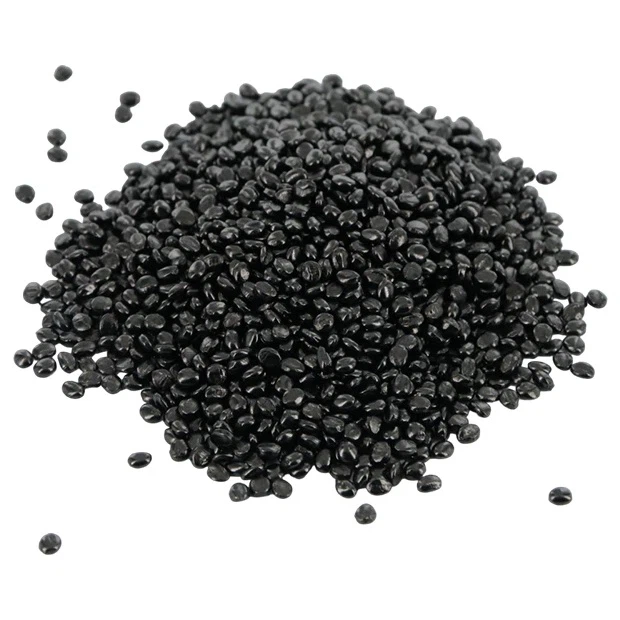
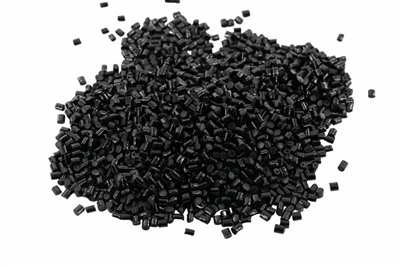
First off, let's quickly go over what universal black masterbatch is. It's a concentrated mixture of carbon black pigment and a carrier resin. This masterbatch is designed to be used in a wide range of polymers, hence the "universal" in its name. It's super handy because it can give that deep, rich black color to different plastic products, whether it's for packaging, automotive parts, or household items.
Now, onto the main topic - compatibility with additives. Additives are substances added to plastics to improve their performance, durability, or other properties. There are all sorts of additives out there, like antioxidants, UV stabilizers, lubricants, and flame retardants. And the compatibility between universal black masterbatch and these additives can vary.
Let's start with antioxidants. Antioxidants are used to prevent the oxidation of plastics, which can lead to degradation, discoloration, and a loss of mechanical properties over time. When it comes to the compatibility with universal black masterbatch, it's generally quite good. Most antioxidants are formulated to work well with a variety of polymers and pigments. However, it's still important to do some small - scale tests. Sometimes, the high concentration of carbon black in the masterbatch can interact with certain antioxidants. For example, if the antioxidant has a high reactivity with the surface of the carbon black particles, it might cause some changes in the color or performance of the final product. But usually, with proper selection and dosage, you can achieve a good balance.
UV stabilizers are another crucial additive, especially for products that will be exposed to sunlight. They help protect the plastic from the harmful effects of UV radiation, such as fading and embrittlement. Universal black masterbatch and UV stabilizers can be a great combo. The carbon black in the masterbatch itself provides some level of UV protection. But adding a UV stabilizer can enhance this protection even further. There are different types of UV stabilizers, like absorbers and quenchers. You need to make sure that the chosen UV stabilizer is compatible with the carrier resin in the masterbatch. Some UV stabilizers might have different solubility or reactivity profiles, and an incompatible combination could lead to issues like blooming (where the additive migrates to the surface of the plastic) or reduced effectiveness.
Lubricants are used to improve the flow properties of plastics during processing. They can make it easier to mold or extrude the plastic. When mixing universal black masterbatch with lubricants, the key is to choose the right type. There are internal lubricants that work within the plastic matrix and external lubricants that reduce friction between the plastic and the processing equipment. The carbon black in the masterbatch can sometimes adsorb lubricants, so you need to adjust the dosage accordingly. If you use too little lubricant, the processing might become difficult, with issues like high torque in the extruder or poor surface finish. On the other hand, too much lubricant can cause problems like separation or reduced adhesion between layers in multi - layer products.
Flame retardants are essential for applications where fire safety is a concern. They can prevent or slow down the spread of fire. Compatibility with universal black masterbatch can be a bit tricky here. Some flame retardants can react with the carbon black or the carrier resin. For example, certain halogen - based flame retardants might have a chemical interaction with the carbon black, leading to discoloration or a change in the fire - retardant performance. Non - halogen flame retardants are often a better choice in terms of compatibility. They are generally more stable and less likely to cause negative interactions. But again, testing is always necessary to ensure that the combination meets the required fire - safety standards.
Now, let's talk about some practical tips for ensuring compatibility. First of all, communication with your additive suppliers is key. They can provide you with detailed information about the compatibility of their products with universal black masterbatch. You can also ask for samples and do some in - house testing. Start with small batches and observe the results carefully. Look for any signs of incompatibility, such as color changes, surface defects, or changes in mechanical properties.
Another important thing is to consider the processing conditions. The temperature, pressure, and shear rate during processing can all affect the compatibility between the masterbatch and additives. For example, high - temperature processing might cause some additives to decompose or react more readily with the masterbatch. So, you need to optimize the processing parameters to get the best results.
We offer different types of universal black masterbatch for various applications. If you're interested in using our masterbatch for film blown, check out Black Masterbatch For Film Blown. For granulation purposes, take a look at Black Masterbatch for Granulation. And if you need it for sheet production, visit Black Masterbatch for Sheet.


If you're in the market for universal black masterbatch and want to discuss the compatibility with additives or place an order, don't hesitate to reach out. We're here to help you find the best solutions for your specific needs. Whether you're a small - scale manufacturer or a large - scale industrial player, we can work together to ensure that you get high - quality products with the right additive combinations.
In conclusion, while universal black masterbatch is quite versatile, its compatibility with additives requires careful consideration. By understanding the properties of different additives and doing proper testing, you can achieve excellent results in your plastic products. So, let's work together to make your plastic products stand out!
References
- "Plastics Additives Handbook" by Hans Zweifel.
- Technical bulletins from additive suppliers.
- Industry research papers on polymer - additive interactions.