

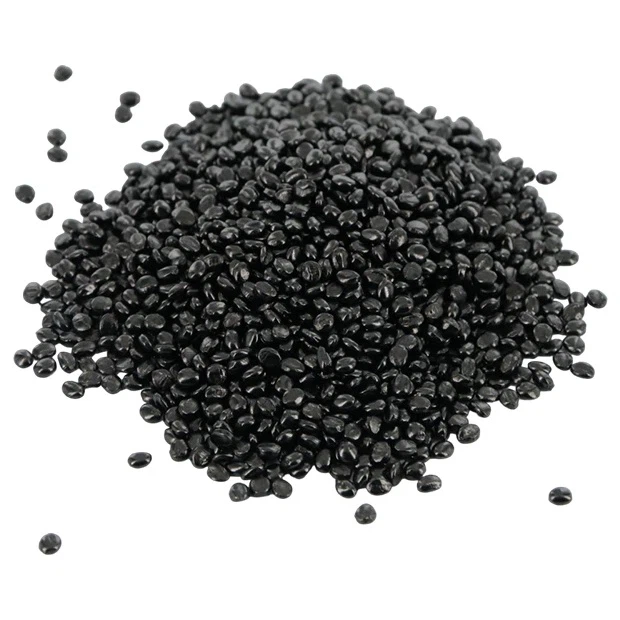
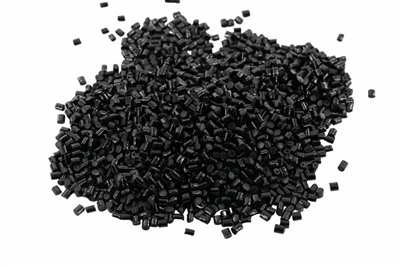

As a supplier of black masterbatch for mulch film, I've witnessed firsthand the growing interest in the environmental impact of agricultural plastics. One question that frequently arises is: What is the impact of black masterbatch on the biodegradability of mulch film? In this blog, I'll delve into this topic, exploring the science behind it and its implications for sustainable agriculture.
Understanding Black Masterbatch and Mulch Film
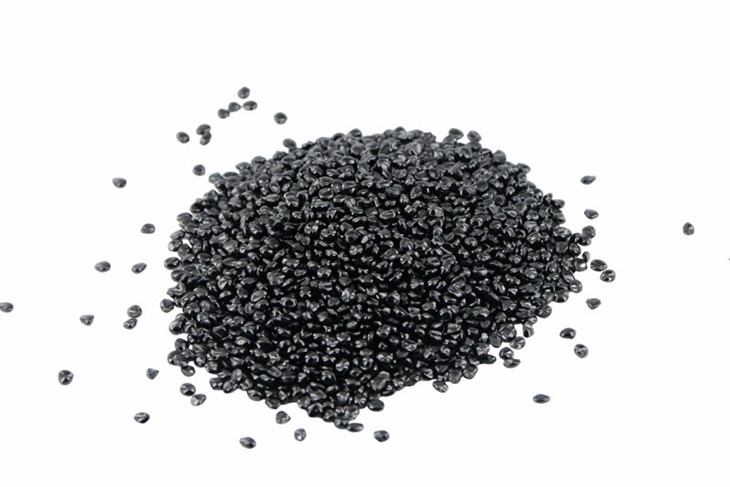
Before we discuss the impact on biodegradability, let's first understand what black masterbatch and mulch film are. Black masterbatch is a concentrated mixture of carbon black pigment and a carrier resin. It's used to impart black color to plastic products, including mulch film. Mulch film, on the other hand, is a thin plastic sheet laid on the soil surface in agricultural fields to conserve moisture, suppress weeds, and regulate soil temperature.

The Role of Black Masterbatch in Mulch Film
Black masterbatch serves several important functions in mulch film. Firstly, it provides excellent UV protection. Carbon black, the main component of black masterbatch, acts as a UV absorber, preventing the plastic from degrading due to sunlight exposure. This extends the lifespan of the mulch film, ensuring it remains effective for the duration of the growing season.
Secondly, black masterbatch helps to control soil temperature. Black mulch film absorbs sunlight, which warms the soil beneath it. This can be beneficial in cooler climates or during the early stages of plant growth, as it promotes faster seed germination and root development.
Biodegradability of Mulch Film
Biodegradability refers to the ability of a material to break down into natural substances, such as water, carbon dioxide, and biomass, through the action of microorganisms. Biodegradable mulch films are designed to decompose in the soil after their useful life, reducing plastic waste in agricultural fields.
There are two main types of biodegradable mulch films: bio-based and petroleum-based. Bio-based mulch films are made from renewable resources, such as starch, cellulose, or polylactic acid (PLA). Petroleum-based biodegradable mulch films, on the other hand, are made from traditional plastics that have been modified to be more biodegradable.
Impact of Black Masterbatch on Biodegradability
The impact of black masterbatch on the biodegradability of mulch film depends on several factors, including the type of masterbatch, the carrier resin, and the biodegradation conditions.
In general, carbon black itself is considered to be relatively inert and does not significantly affect the biodegradability of the plastic matrix. However, some studies have suggested that the presence of carbon black may slow down the biodegradation process. This is because carbon black can absorb light and heat, which are important factors in the initiation of biodegradation. Additionally, carbon black particles may act as a physical barrier, preventing microorganisms from accessing the plastic surface.
The type of carrier resin used in the black masterbatch can also influence biodegradability. Some carrier resins, such as polyethylene (PE) and polypropylene (PP), are non-biodegradable. When these resins are used in black masterbatch, they can reduce the overall biodegradability of the mulch film. On the other hand, bio-based carrier resins, such as PLA or polyhydroxyalkanoates (PHA), are biodegradable and can help to improve the environmental performance of the mulch film.
The biodegradation conditions, such as temperature, moisture, and the presence of microorganisms, also play a crucial role in determining the impact of black masterbatch on biodegradability. In ideal conditions, with high temperatures, adequate moisture, and a rich microbial population, the biodegradation process can be accelerated. However, in less favorable conditions, such as cold or dry environments, the presence of black masterbatch may have a more significant impact on biodegradability.
Sustainable Solutions
As a supplier of black masterbatch for mulch film, we are committed to developing sustainable solutions that meet the needs of our customers while minimizing the environmental impact. One approach is to use bio-based carrier resins in our black masterbatch. These resins are derived from renewable resources and are biodegradable, making them a more sustainable alternative to traditional petroleum-based resins.
Another solution is to optimize the formulation of our black masterbatch to reduce the amount of carbon black used. By using a more efficient dispersion technology, we can achieve the desired black color with less carbon black, which may help to improve the biodegradability of the mulch film.
We also recommend working closely with our customers to select the most appropriate black masterbatch for their specific application. By understanding the biodegradation requirements and environmental conditions of the agricultural field, we can provide tailored solutions that balance performance and sustainability.
Conclusion
The impact of black masterbatch on the biodegradability of mulch film is a complex issue that depends on several factors. While carbon black itself is relatively inert, the type of carrier resin and the biodegradation conditions can significantly influence the biodegradation process. As a supplier of black masterbatch for mulch film, we are committed to developing sustainable solutions that address these challenges and help to reduce the environmental impact of agricultural plastics.
If you are interested in learning more about our black masterbatch products or discussing your specific requirements, please feel free to [initiate a contact for procurement discussion]. We look forward to working with you to find the best solutions for your agricultural needs.
References
-
ASTM International. (2018). Standard Test Methods for Determining Aerobic Biodegradation of Plastic Materials in Soil. ASTM D5988-18.
-
European Bioplastics. (2020). Bioplastics Market Data 2020.
-
International Organization for Standardization. (2019). Plastics - Determination of the Final Aerobic Biodegradability of Plastic Materials in an Aerobic Composting Environment - Method by Analysis of Evolved Carbon Dioxide. ISO 14855-1:2019.
-
For more information on our black masterbatch products for other applications, you can visit Black Masterbatch for Water Pipe, Black Masterbatch for Pipe, and Black Masterbatch For Pipe.