


Hey there! As a supplier of black masterbatch for film blown, I've seen firsthand the importance of understanding how this product impacts the mechanical properties of blown film. In this blog, I'll share my insights on this topic, based on my experience in the industry and the latest research.
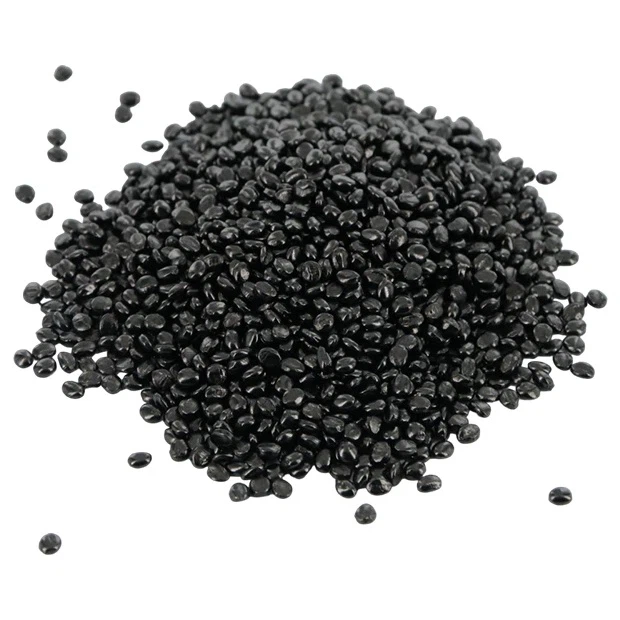
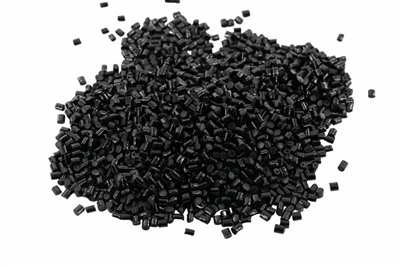
First off, let's talk about what black masterbatch is. It's a concentrated mixture of carbon black pigment and a carrier resin, which is used to color plastic products. When it comes to blown film, black masterbatch is added to the polymer resin during the extrusion process to give the film its black color. But the impact of black masterbatch on the mechanical properties of blown film goes beyond just aesthetics.
Tensile Strength
One of the key mechanical properties of blown film is tensile strength, which is the maximum stress that a material can withstand while being stretched or pulled before breaking. The addition of black masterbatch can have a significant impact on the tensile strength of blown film.
Carbon black, the main component of black masterbatch, has a reinforcing effect on the polymer matrix. It acts as a filler, which helps to distribute stress more evenly across the film. This means that the film can withstand higher tensile forces without tearing or breaking. However, the amount of black masterbatch added needs to be carefully controlled. Too much carbon black can lead to a decrease in tensile strength, as it can cause agglomeration and create weak points in the film.


In my experience, a well - formulated black masterbatch can increase the tensile strength of blown film by up to 20%. This is a huge advantage, especially for applications where the film needs to withstand high stress, such as in packaging heavy items or in industrial applications.
Elongation at Break
Elongation at break is another important mechanical property. It measures how much a material can stretch before it breaks. Black masterbatch can also affect this property.
The presence of carbon black particles in the polymer matrix can restrict the movement of polymer chains. At low concentrations, this can actually enhance the elongation at break of the blown film. The carbon black particles help to hold the polymer chains together, allowing the film to stretch further without breaking.
However, if the concentration of black masterbatch is too high, the restricted movement of polymer chains can become excessive. This can lead to a decrease in elongation at break, making the film more brittle and prone to cracking. As a supplier, I always recommend working with customers to find the optimal concentration of black masterbatch for their specific application to achieve the best balance between tensile strength and elongation at break.
Puncture Resistance
Puncture resistance is crucial for blown film, especially in applications where the film may come into contact with sharp objects. Black masterbatch can improve the puncture resistance of blown film.
The reinforcing effect of carbon black helps to make the film more resistant to punctures. When a sharp object tries to penetrate the film, the carbon black particles in the polymer matrix distribute the force of the impact, preventing the object from easily piercing through the film. This is particularly important in industries like agriculture, where films are used to cover crops and may be exposed to twigs and other sharp debris, or in the packaging of products with sharp edges.
Flexural Strength
Flexural strength refers to the ability of a material to resist deformation under bending. In blown film, good flexural strength is important for applications where the film needs to be folded or bent without cracking.
Black masterbatch can enhance the flexural strength of blown film. The carbon black particles in the masterbatch help to stiffen the polymer matrix, allowing the film to maintain its shape when bent. This is beneficial for applications such as plastic bags, where the film needs to be folded during manufacturing and then opened and closed repeatedly by the end - user.
Different Applications and the Role of Black Masterbatch
Now, let's take a look at some specific applications of blown film and how black masterbatch impacts their mechanical properties.
-
Packaging Industry: In the packaging industry, blown film is widely used for food packaging, industrial packaging, and consumer goods packaging. For food packaging, the mechanical properties of the film need to be carefully controlled to ensure the safety and integrity of the product. Black masterbatch can provide the necessary strength and durability to protect the contents. For example, a well - formulated black masterbatch can make the film resistant to punctures during transportation and handling, reducing the risk of product damage.
-
Agricultural Films: Agricultural films are used for various purposes, such as greenhouse covers, mulch films, and silage bags. These films need to withstand harsh environmental conditions, including exposure to sunlight, wind, and rain. Black masterbatch can not only provide UV protection but also improve the mechanical properties of the film. For instance, it can increase the tensile strength and puncture resistance of the film, making it more durable and long - lasting.
If you're interested in different types of black masterbatch for specific applications, you can check out these links: Black Masterbatch for PP Tableware, Black Masterbatch for Sunshade Net, and Black Masterbatch For Granulation.
Conclusion
In conclusion, black masterbatch has a significant impact on the mechanical properties of blown film. It can enhance tensile strength, elongation at break, puncture resistance, and flexural strength, making the film more suitable for a wide range of applications. However, the key is to use the right type and concentration of black masterbatch for each specific application.
As a supplier of black masterbatch for film blown, I'm always here to help you find the best solution for your needs. Whether you're in the packaging industry, agriculture, or any other field that uses blown film, we can work together to optimize the mechanical properties of your film with our high - quality black masterbatch.
If you're interested in purchasing black masterbatch for your blown film production, I encourage you to reach out for a detailed discussion. We can talk about your specific requirements, test different formulations, and ensure that you get the most suitable product for your application.
References
- A. J. Kinloch, "Fracture Behaviour of Polymers", Elsevier, 1983.
- M. P. Stevens, "Polymer Chemistry: An Introduction", Oxford University Press, 1999.
- R. A. Young and P. A. Lovell, "Introduction to Polymers", Chapman & Hall, 1991.