

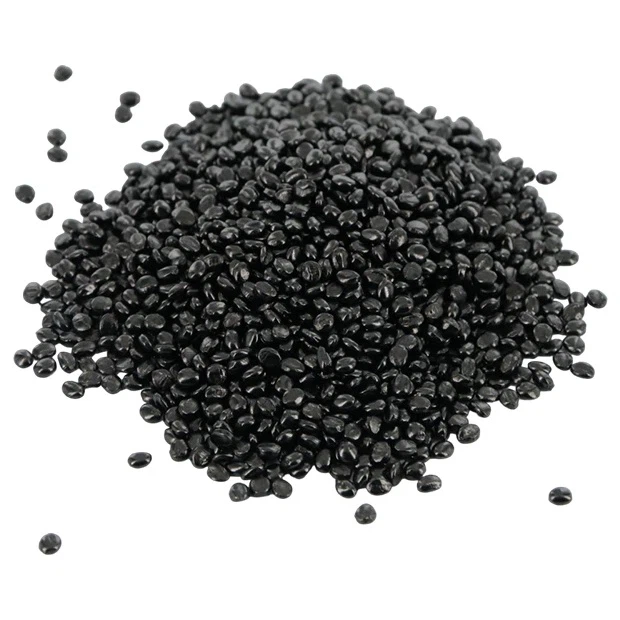
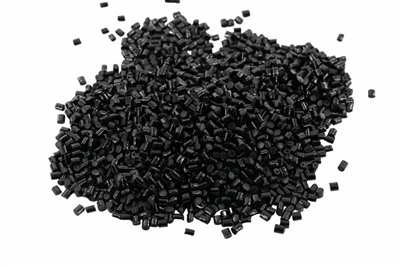

As a supplier of PP black masterbatch, I understand the significance of evaluating its performance accurately. PP black masterbatch is widely used in various industries due to its ability to impart a deep black color to polypropylene products while also offering other beneficial properties. In this blog, I will share some key aspects and methods to evaluate the performance of PP black masterbatch.
Color and Appearance
One of the most obvious aspects to evaluate is the color and appearance of the PP black masterbatch. A high - quality PP black masterbatch should provide a consistent and intense black color.
Color Consistency
Color consistency is crucial, especially when producing large batches of products. Variations in color can lead to inconsistent product appearance, which is unacceptable in most applications. To assess color consistency, we can use color measurement instruments such as spectrophotometers. These devices can measure the color parameters such as L* (lightness), a* (red - green axis), and b* (yellow - blue axis) according to the CIE color space system. By comparing the color measurements of different samples of the masterbatch, we can determine if the color is consistent.
Dispersion Quality
Good dispersion of the black pigment in the polypropylene matrix is essential for a smooth and uniform appearance. Poor dispersion can result in visible specks or streaks in the final product. We can visually inspect injection - molded or extruded test specimens made with the PP black masterbatch. Under a microscope, we can also observe the distribution of the pigment particles. If the particles are well - dispersed, they will be evenly spread throughout the polymer, while poor dispersion will show agglomerates of pigment particles.
Thermal Stability
PP black masterbatch needs to withstand the processing temperatures of polypropylene. Polypropylene is typically processed at temperatures ranging from 180°C to 280°C.
Heat Resistance Testing
We can conduct heat resistance tests by subjecting the masterbatch to high - temperature conditions for a specific period. For example, we can place samples of the masterbatch in an oven at a temperature slightly higher than the typical processing temperature of PP for a few hours. Afterward, we check for any signs of discoloration, degradation, or loss of mechanical properties. A thermally stable masterbatch will show minimal changes in color and performance.
Impact on Polymer Degradation
The masterbatch should not accelerate the degradation of the polypropylene during processing. We can measure the melt flow index (MFI) of the polypropylene before and after adding the masterbatch and subjecting it to processing conditions. An excessive increase in MFI may indicate that the masterbatch is causing the polymer to degrade.
Mechanical Properties
The addition of PP black masterbatch should not significantly compromise the mechanical properties of the polypropylene.
Tensile Strength and Elongation
We can prepare test specimens according to relevant standards (such as ASTM D638 for tensile testing) and measure the tensile strength and elongation at break of polypropylene samples with and without the masterbatch. A good masterbatch should maintain or only slightly reduce these mechanical properties.


Impact Resistance
Impact resistance is also an important property, especially for applications where the product may be subjected to sudden impacts. We can use impact testing methods such as the Izod or Charpy impact test to evaluate the effect of the masterbatch on the impact resistance of polypropylene.
UV Resistance
In outdoor applications, PP black masterbatch needs to have good UV resistance to prevent color fading and degradation of the polypropylene over time.
UV Exposure Testing
We can expose samples of the polypropylene with the masterbatch to UV light in a weathering chamber for a specified period. The chamber can simulate outdoor sunlight, temperature, and humidity conditions. After the exposure, we measure the color change and any degradation of the mechanical properties. A masterbatch with good UV resistance will show minimal color fading and property loss.
Compatibility with Polypropylene
The masterbatch must be compatible with the polypropylene resin.
Melt Blending Tests
We can perform melt blending tests by mixing the masterbatch with the polypropylene resin in a twin - screw extruder. During the blending process, we observe the flow behavior and the ease of mixing. If there are signs of phase separation or poor mixing, it indicates a lack of compatibility.
Compatibility with Additives
In many cases, polypropylene products may also contain other additives such as antioxidants, lubricants, or flame retardants. The masterbatch should be compatible with these additives. We can conduct tests by adding the masterbatch along with other additives to the polypropylene and evaluating the performance of the final product.
Cost - effectiveness
Cost - effectiveness is an important factor in evaluating the performance of PP black masterbatch.
Pigment Concentration
A higher pigment concentration in the masterbatch generally means that less masterbatch is required to achieve the desired color. However, a very high concentration may also lead to dispersion problems. We need to find the optimal pigment concentration that provides good color performance at a reasonable cost.
Total Cost of Use
We also need to consider the total cost of use, including the price of the masterbatch, the processing cost, and the potential cost savings due to improved product quality. For example, if a more expensive masterbatch results in fewer rejects during production, it may be more cost - effective in the long run.
Specialized Masterbatches
There are also specialized types of PP black masterbatch available, such as No Carrier Black Masterbatch, Black Masterbatch for Automotive, and PC Black Masterbatch. These masterbatches may have additional performance requirements depending on their specific applications.
For example, the No Carrier Black Masterbatch is designed for applications where a carrier resin is not desired. It needs to have excellent dispersion properties without the aid of a carrier. The Black Masterbatch for Automotive must meet strict requirements for color fastness, UV resistance, and mechanical properties to ensure the long - term performance of automotive parts. The PC Black Masterbatch should be compatible with polycarbonate and provide the necessary color and performance in PC - based products.
In conclusion, evaluating the performance of PP black masterbatch involves a comprehensive assessment of multiple aspects, including color and appearance, thermal stability, mechanical properties, UV resistance, compatibility, and cost - effectiveness. By carefully evaluating these factors, we can ensure that the masterbatch meets the specific requirements of different applications.
If you are interested in purchasing high - quality PP black masterbatch or have any questions about our products, please feel free to contact us for further discussion and negotiation. We are committed to providing you with the best solutions for your coloring needs.
References
- ASTM International. ASTM D638 - Standard Test Method for Tensile Properties of Plastics.
- CIE (Commission Internationale de l'Éclairage). CIE Colorimetry, 3rd Edition.
- Various research papers on polymer processing and masterbatch technology from scientific journals such as Polymer Engineering and Science.