

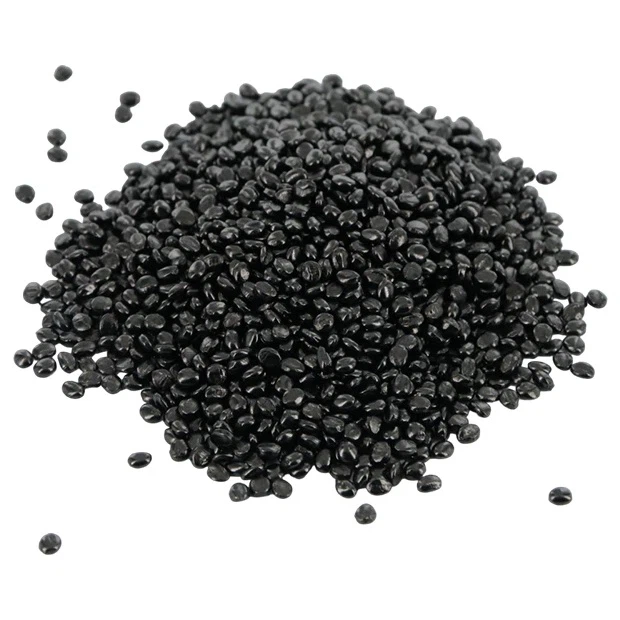
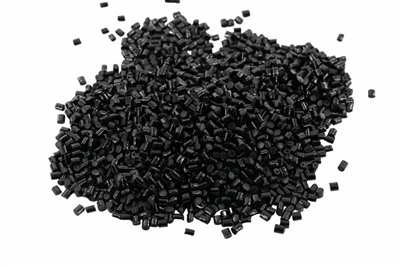

Hey there! As a supplier of black masterbatch for stretch film, I often get asked about the moisture content requirement of this product. It's a crucial factor that can significantly impact the quality and performance of stretch films. So, let's dive right in and explore what the moisture content requirement of black masterbatch for stretch film really is.
Why Moisture Content Matters
First off, let's understand why moisture content is such a big deal. When black masterbatch contains too much moisture, it can lead to a whole bunch of problems during the stretch film manufacturing process. For starters, moisture can cause bubbles or voids to form in the film. These defects not only make the film look bad but also weaken its structural integrity. A film with bubbles or voids is more likely to tear or break during use, which is a major no - no for customers who rely on stretch films to securely wrap their products.


Moreover, excess moisture can affect the dispersion of the black pigment in the masterbatch. In a stretch film, proper pigment dispersion is essential for achieving an even and consistent color. If the moisture disrupts this dispersion, the film may end up with uneven color distribution, making it less appealing and potentially reducing its market value.
Ideal Moisture Content Range
So, what's the ideal moisture content for black masterbatch used in stretch film? Generally speaking, the moisture content should be kept as low as possible. Most industry standards recommend a moisture content of less than 0.1%. This low level of moisture helps to ensure that the masterbatch behaves predictably during the film - making process.
When the moisture content is within this range, the black masterbatch can be easily melted and mixed with the base resin in the extrusion process. The low moisture also minimizes the risk of chemical reactions that could occur between the moisture and the additives or pigments in the masterbatch. These reactions can not only change the properties of the masterbatch but also lead to the formation of unwanted by - products that could contaminate the stretch film.
Measuring Moisture Content
Now, you might be wondering how we measure the moisture content of black masterbatch. There are several methods available, but one of the most common is the loss - on - drying method. In this method, a sample of the black masterbatch is weighed and then heated in an oven at a specific temperature for a set period of time. The weight of the sample is measured again after drying. The difference in weight before and after drying represents the amount of moisture that was present in the sample.
Another method is the use of moisture analyzers. These are specialized instruments that can quickly and accurately measure the moisture content of a sample. They work based on different principles, such as infrared absorption or capacitance. Moisture analyzers are especially useful in a production environment where rapid and accurate moisture content measurements are needed to ensure consistent product quality.
Controlling Moisture Content
As a supplier, we take several steps to control the moisture content of our black masterbatch for stretch film. First, during the production process, we store the raw materials in a dry environment. This helps to prevent them from absorbing moisture from the air. We also use sealed containers and packaging to keep the masterbatch dry during transportation and storage.
Before shipping the black masterbatch to our customers, we conduct thorough moisture content checks. If the moisture content is found to be higher than the recommended level, we use drying techniques to reduce it. This may involve using industrial dryers or exposing the masterbatch to low - humidity air for a certain period of time.
Impact on Different Types of Stretch Films
It's important to note that the moisture content requirement may vary slightly depending on the type of stretch film. For example, Black Masterbatch For Granulation is often used in the production of stretch films with different properties. These films may have different processing conditions and performance requirements, which can influence the acceptable moisture content of the masterbatch.
Similarly, Black Masterbatch for Film Blown and Black Masterbatch For Film Blown are used in the blown film extrusion process. This process has its own set of challenges and requirements, and the moisture content of the masterbatch needs to be carefully controlled to ensure optimal film quality.
Customer Benefits
By providing black masterbatch with the appropriate moisture content, we offer several benefits to our customers. Firstly, they can expect a more consistent and high - quality stretch film. This means fewer defects, better color uniformity, and improved mechanical properties. As a result, their products are more likely to meet the market's quality standards and customer expectations.
Secondly, our customers can save on production costs. When the moisture content of the masterbatch is within the recommended range, the film - making process is more efficient. There are fewer production interruptions due to defects, and the overall yield of good - quality stretch film is higher. This translates into lower production costs and higher profitability for our customers.
Conclusion
In conclusion, the moisture content requirement of black masterbatch for stretch film is a critical aspect that can't be overlooked. A moisture content of less than 0.1% is generally recommended to ensure the best performance and quality of the stretch film. As a supplier, we are committed to providing black masterbatch with the right moisture content through strict quality control measures.
If you're in the market for high - quality black masterbatch for stretch film, we'd love to hear from you. Whether you have questions about our products, need more information on moisture content requirements, or are ready to place an order, don't hesitate to reach out. We're here to help you achieve the best results with your stretch film production.
References
- "Plastics Additives Handbook" by Hans Zweifel
- Industry reports on stretch film manufacturing and black masterbatch production.