

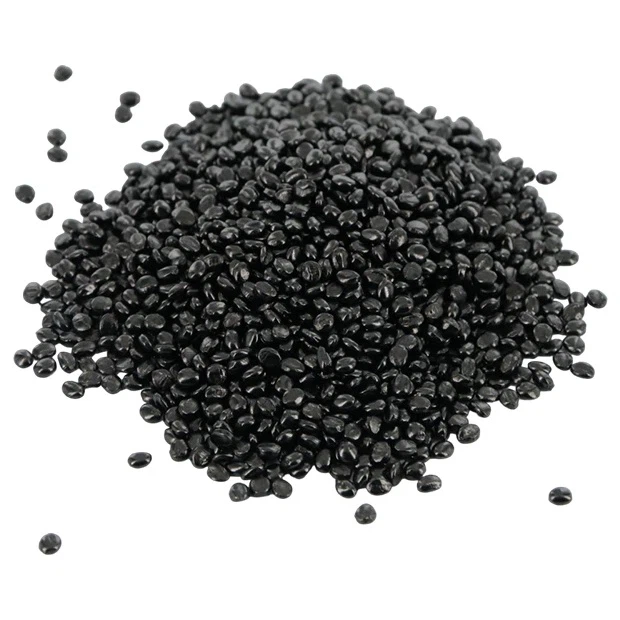
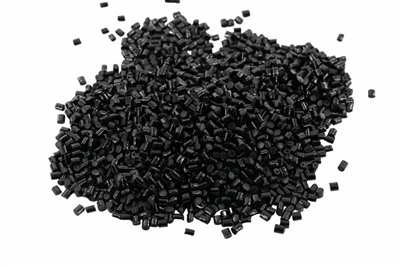

As a supplier of PS black masterbatch, I often encounter inquiries from customers about various properties of our product. One question that comes up frequently is about the oil resistance of PS black masterbatch in PS plastics. In this blog, I'll delve into this topic to provide a comprehensive understanding of how PS black masterbatch behaves in the presence of oil when used in PS plastics.
Understanding PS Black Masterbatch and PS Plastics
PS, or polystyrene, is a widely used thermoplastic polymer known for its clarity, stiffness, and ease of processing. It finds applications in a vast array of products, from disposable cutlery to electronic housings. PS black masterbatch, on the other hand, is a concentrated mixture of carbon black pigment and a carrier resin, typically PS itself. It is used to impart a deep black color to PS plastics while maintaining the desirable properties of the base polymer.


Importance of Oil Resistance
Oil resistance is a crucial property in many applications where PS plastics come into contact with oils or oily substances. For example, in automotive components, PS parts may be exposed to engine oils, lubricants, or hydraulic fluids. In the food packaging industry, PS containers might encounter oily food products. If the PS black masterbatch used in these applications lacks sufficient oil resistance, it can lead to several issues. The pigment may bleed or migrate out of the plastic, causing discoloration of the surrounding environment or the product it contains. It can also affect the mechanical properties of the plastic, such as its strength and flexibility, leading to premature failure of the component.
Factors Affecting the Oil Resistance of PS Black Masterbatch
1. Carbon Black Quality
The quality of carbon black used in the masterbatch plays a significant role in determining its oil resistance. High - quality carbon black with a well - defined particle size and structure is less likely to be extracted by oils. For instance, carbon blacks with a high surface area and low volatility tend to have better dispersion in the PS matrix and are more resistant to oil penetration. The manufacturing process of carbon black also matters; furnace - black, which is commonly used in masterbatches, can be engineered to have specific properties that enhance oil resistance.
2. Carrier Resin Compatibility
The carrier resin in the PS black masterbatch must be fully compatible with the PS base plastic. When the carrier resin and the base polymer have good compatibility, they form a homogeneous blend, which provides a more effective barrier against oil. If there is poor compatibility, it can lead to phase separation, creating pathways for oil to penetrate and extract the pigment. Our PS black masterbatch is formulated with a carrier resin that is carefully selected to ensure maximum compatibility with PS plastics, thus enhancing oil resistance.
3. Masterbatch Concentration
The concentration of the PS black masterbatch in the PS plastic can also influence oil resistance. A higher concentration of masterbatch may increase the likelihood of pigment migration if not properly dispersed. On the other hand, a very low concentration may not provide the desired color intensity. Finding the optimal concentration is a balance that requires careful consideration. Our technical team can assist customers in determining the right masterbatch concentration based on their specific application requirements.
Testing the Oil Resistance of PS Black Masterbatch
To ensure the oil resistance of our PS black masterbatch, we conduct a series of rigorous tests. One common method is the immersion test, where samples of PS plastic containing the black masterbatch are immersed in specific oils for a set period at a controlled temperature. After the immersion, the samples are evaluated for color change, pigment bleeding, and any changes in mechanical properties. We also use advanced analytical techniques, such as spectroscopy, to detect any trace amounts of pigment migration.
Applications and Oil Resistance Requirements
Automotive Applications
In the automotive industry, PS parts often need to withstand exposure to various oils. Black Masterbatch For Automotive is designed to meet the strict oil resistance requirements of this sector. Interior components, such as dashboard trims and door panels, may come into contact with hand oils, while under - the - hood components can be exposed to engine oils and coolants. Our black masterbatch ensures that these parts maintain their color and integrity even when exposed to these harsh environments.
Food Packaging
For food packaging applications, PP Black Masterbatch is also relevant in some cases where polypropylene is used in combination with PS. In PS food containers, oil resistance is essential to prevent the black pigment from migrating into the food. Our masterbatch is formulated to comply with food - contact regulations and provides excellent oil resistance to ensure the safety and quality of the packaged food.
Maintaining and Improving Oil Resistance
To maintain the oil resistance of PS plastics with our black masterbatch, proper storage and handling are crucial. PS plastics should be stored in a dry and cool environment to prevent any degradation that could affect the oil - resistance properties. Additionally, during the processing of PS plastics, the correct processing parameters, such as temperature and pressure, must be maintained to ensure optimal dispersion of the masterbatch and the formation of a stable polymer structure.
We are constantly researching and developing new formulations to improve the oil resistance of our PS black masterbatch. By using the latest technologies and materials, we aim to provide our customers with products that meet the most demanding oil - resistance requirements.
Conclusion
The oil resistance of PS black masterbatch in PS plastics is a complex but important property. It is influenced by factors such as carbon black quality, carrier resin compatibility, and masterbatch concentration. Through rigorous testing and continuous research and development, we as a supplier are committed to providing high - quality PS black masterbatch with excellent oil resistance.
If you are interested in our PS black masterbatch and want to discuss your specific requirements for oil resistance or any other properties, please feel free to contact us for a procurement discussion. We look forward to working with you to find the best solution for your applications.
References
- ASTM International. "Standard Test Methods for Evaluating the Resistance of Plastics to Chemical Reagents." ASTM D543 - 14.
- "Plastics Additives Handbook." Hans Zweifel, ed. 6th edition. Carl Hanser Verlag, 2009.
- "Carbon Black: Science and Technology." Donnet, J - B., Bansal, R. C., and Wang, M. Marcel Dekker, 1993.