

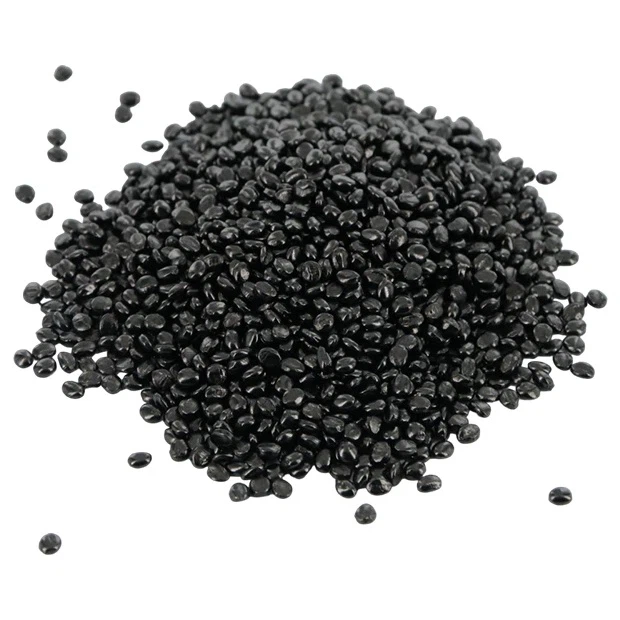
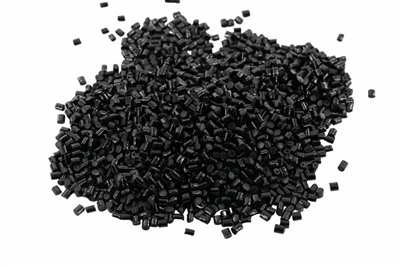

PA black masterbatch, also known as polyamide black masterbatch, is a crucial component in the plastic industry, particularly for coloring polyamide-based products. As a supplier of PA black masterbatch, I am often asked about its production process. In this blog post, I will walk you through the step-by-step process of manufacturing PA black masterbatch, highlighting the key stages and the importance of each.
Raw Material Selection
The production of PA black masterbatch begins with the careful selection of raw materials. The two primary components are the carrier resin and the colorant. For PA black masterbatch, the carrier resin is typically polyamide, which is chosen for its compatibility with polyamide-based products. The colorant, on the other hand, is usually carbon black, known for its excellent black pigmentation and UV resistance.
When selecting carbon black, factors such as particle size, surface area, and structure are crucial. These properties affect the color strength, dispersion, and other performance characteristics of the masterbatch. High-quality carbon black with a small particle size and high surface area is preferred as it provides better color intensity and dispersion.
Pre - mixing
Once the raw materials are selected, the next step is pre - mixing. This involves combining the carrier resin (polyamide) and the carbon black in a specific ratio. The pre - mixing process is essential as it ensures a uniform distribution of the colorant in the carrier resin.
We use high - speed mixers for this stage. These mixers can quickly and efficiently blend the two components, breaking up any agglomerates of carbon black particles. The mixing time and speed are carefully controlled to achieve the desired level of homogeneity. During pre - mixing, additives may also be introduced. These additives can enhance the performance of the masterbatch, such as improving its heat stability, dispersibility, or mechanical properties.


Extrusion
After pre - mixing, the blended materials are fed into an extruder. Extrusion is a key process in the production of PA black masterbatch. The extruder consists of a barrel with a screw inside. As the screw rotates, it conveys the material through the barrel, subjecting it to high temperatures and pressures.
The temperature in the extruder is carefully regulated. The polyamide carrier resin needs to be melted to allow for proper dispersion of the carbon black. At the same time, the temperature should not be too high to avoid thermal degradation of the materials. The screw design also plays a crucial role in the extrusion process. It helps to further disperse the carbon black in the molten resin and ensures a consistent quality of the masterbatch.
During extrusion, the molten material is forced through a die, which gives the masterbatch its final shape, usually in the form of small pellets. These pellets are then cooled rapidly, typically by passing them through a water bath. Cooling solidifies the pellets, making them easier to handle and package.
Pelletizing
Once the extruded material is cooled, it goes through the pelletizing process. Pelletizing involves cutting the cooled extrudate into small, uniform pellets. The size and shape of the pellets are important as they affect the ease of handling and processing by the end - users.
We use pelletizers that are specifically designed for this purpose. These machines can accurately cut the extrudate into pellets of the desired size. After pelletizing, the pellets are screened to remove any oversized or undersized particles, ensuring a consistent product quality.
Quality Control
Quality control is an integral part of the production process of PA black masterbatch. At every stage, from raw material selection to the final product, strict quality control measures are implemented.
We test the masterbatch for various properties, including color strength, dispersion, heat stability, and mechanical properties. Color strength is measured using spectrophotometers, which can accurately quantify the intensity of the black color. Dispersion is evaluated by examining the masterbatch under a microscope to ensure that the carbon black is evenly distributed in the carrier resin.
Heat stability tests are conducted to determine how well the masterbatch can withstand high temperatures during processing and use. Mechanical property tests, such as tensile strength and elongation, are also performed to ensure that the masterbatch does not negatively impact the performance of the final polyamide products.
Packaging
After passing the quality control tests, the PA black masterbatch pellets are packaged. We use high - quality packaging materials that can protect the masterbatch from moisture, dust, and other contaminants. The packaging is also designed to be easy to handle and store.
Common packaging options include bags or drums. The packaging is clearly labeled with information such as the product name, grade, batch number, and usage instructions. This helps our customers to easily identify and use the product correctly.
Applications of PA Black Masterbatch
PA black masterbatch has a wide range of applications. It is commonly used in the automotive industry. Black Masterbatch For Automotive is used to color various polyamide parts in vehicles, such as interior components, engine covers, and electrical connectors. The excellent heat stability and UV resistance of our PA black masterbatch make it suitable for these applications.
In the electronics industry, PA black masterbatch is used to color polyamide housings for electronic devices. It provides a sleek and professional look while also protecting the components from UV radiation. Another application is in the production of consumer goods. Products like sports equipment, household appliances, and toys made from polyamide can be colored using our PA black masterbatch.
Comparison with Other Types of Black Masterbatch
There are other types of black masterbatch available in the market, such as ABS Black Masterbatch and No Carrier Black Masterbatch. ABS black masterbatch uses acrylonitrile - butadiene - styrene (ABS) as the carrier resin, which is suitable for ABS - based products. In contrast, our PA black masterbatch is specifically designed for polyamide products, offering better compatibility and performance.
No - carrier black masterbatch, as the name suggests, does not have a carrier resin. It is often used in applications where the user wants to add the masterbatch directly to the base resin. However, PA black masterbatch with a polyamide carrier resin provides better dispersion and ease of use, especially in polyamide - processing operations.
Why Choose Our PA Black Masterbatch
As a supplier, we take pride in the quality of our PA black masterbatch. Our production process is carefully optimized to ensure consistent quality and performance. We have a team of experienced technicians and chemists who monitor every stage of the production process, from raw material selection to final packaging.
We also offer customized solutions. Depending on the specific requirements of our customers, we can adjust the formulation of the masterbatch, such as changing the color strength or adding specific additives. Our commitment to quality and customer satisfaction has made us a trusted supplier in the market.
Contact Us for Procurement
If you are in the market for high - quality PA black masterbatch, we would be delighted to have a discussion with you. Whether you are in the automotive, electronics, or consumer goods industry, our PA black masterbatch can meet your coloring needs. We can provide samples for you to test and evaluate. Contact us to start a procurement negotiation and discover how our masterbatch can enhance the quality and appearance of your products.
References
- "Plastics Additives Handbook" by Hans Zweifel. This book provides in - depth knowledge about additives used in the plastic industry, which is relevant to the production of PA black masterbatch.
- "Extrusion: The Definitive Processing Guide and Handbook" by Christopher Rauwendaal. It offers comprehensive information on the extrusion process, a key step in the production of PA black masterbatch.
- Industry research reports on the plastic masterbatch market, which provide insights into the latest trends and technologies in the production of black masterbatch.