

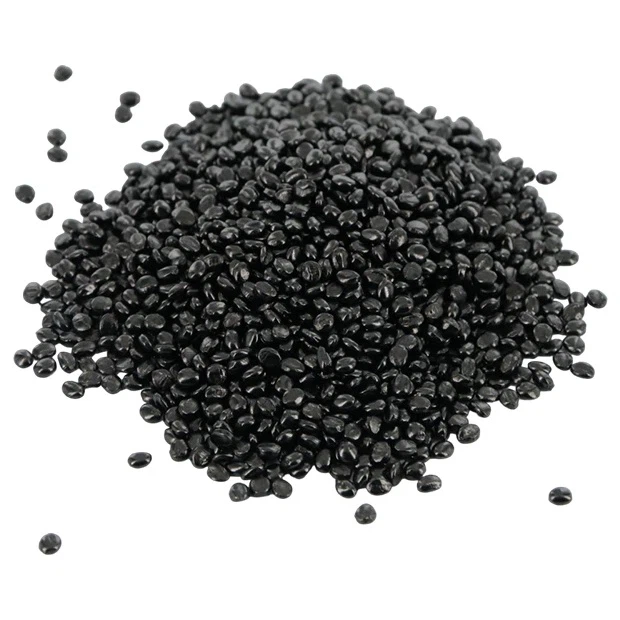
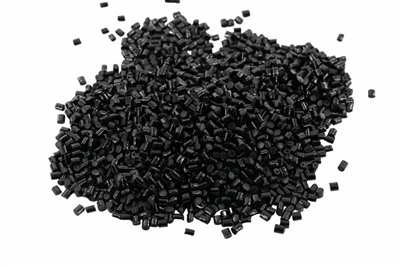

Hey there! As a supplier of black masterbatch for injection, I often get asked about the environmental requirements for using our product. It's a super important topic, and I'm stoked to share some insights with you all.
Let's start with the basics. Black masterbatch for injection is a concentrated form of black pigment that's mixed with plastic resin during the injection - molding process. It gives the plastic products that nice, deep - black color. But when it comes to the environment, there are quite a few things to consider.
First off, the raw materials used in black masterbatch matter a whole lot. We source our carbon black, which is the main pigment in our black masterbatch, from reliable suppliers. Carbon black is made by the incomplete combustion or thermal decomposition of hydrocarbons. However, not all carbon blacks are created equal. Some lower - quality carbon blacks might contain high levels of polycyclic aromatic hydrocarbons (PAHs). These PAHs are known to be harmful to the environment and human health. They can contaminate soil, water, and air, and they're also potential carcinogens.
To meet environmental requirements, we always make sure that the carbon black we use has low PAH content. We test it regularly to ensure it complies with international standards like the European Union's REACH (Registration, Evaluation, Authorization and Restriction of Chemicals) regulations. REACH sets strict limits on the use of hazardous substances in products, and we're committed to following these rules to the letter.
Another aspect is the additives in the black masterbatch. We use additives to improve the performance of the masterbatch, like dispersants to make sure the pigment is evenly distributed in the plastic. But these additives also need to be environmentally friendly. For example, some traditional dispersants might contain heavy metals like lead or cadmium. These metals can leach out of the plastic products over time and cause environmental pollution. So, we use dispersants that are free from heavy metals and other harmful substances.
When it comes to the end - use products, different applications have different environmental requirements. For instance, if you're using our Black Masterbatch for PP Tableware, food - contact safety is a major concern. The masterbatch needs to be compliant with food - contact regulations. In the United States, the Food and Drug Administration (FDA) has specific guidelines for plastics that come into contact with food. These regulations ensure that no harmful substances from the masterbatch can migrate into the food.
On the other hand, if you're using our Black Masterbatch for Garbage Bag, the focus is more on the long - term environmental impact. Garbage bags are often disposed of in landfills, and we want to make sure that the masterbatch in them doesn't release harmful substances as they degrade. We design our masterbatch to be as stable as possible and to break down in an environmentally friendly way.
Similarly, for Black Masterbatch for Shopping Bag, there's an increasing demand for sustainable and biodegradable options. Consumers are becoming more conscious about the environment, and they want shopping bags that won't clog up landfills or end up in the ocean. So, we're constantly researching and developing new formulations that can meet these emerging environmental needs.


In addition to the regulatory requirements, there's also the issue of energy consumption during the injection - molding process. Using black masterbatch can actually have some positive effects here. Since it's a concentrated pigment, you only need a small amount to achieve the desired color. This means less material is being used overall, which can lead to energy savings during production. Also, our masterbatch is designed to have good flow properties, which can reduce the energy needed for the injection - molding machine to process the plastic.
But it's not just about meeting the minimum environmental requirements. We're also looking at the bigger picture of sustainability. We're working on reducing our carbon footprint in the production of black masterbatch. This includes things like using more renewable energy sources in our manufacturing facilities, optimizing our production processes to reduce waste, and recycling as much as possible.
Now, I know all this environmental talk might seem a bit overwhelming, but that's where we come in. As your black masterbatch supplier, we've got the expertise and the commitment to help you navigate these environmental requirements. Whether you're a small - scale manufacturer or a large - scale industrial player, we can provide you with high - quality black masterbatch that meets your specific needs and all the necessary environmental standards.
If you're interested in learning more about our black masterbatch for injection or have any questions about the environmental requirements in your specific application, don't hesitate to reach out. We're always happy to have a chat and discuss how we can work together to create more sustainable plastic products.
In conclusion, using black masterbatch for injection does come with environmental requirements, but with the right supplier and the right product, you can meet these requirements while still getting great - looking and high - performing plastic products. So, if you're in the market for black masterbatch, give us a shout, and let's start a conversation about your next project.
References
- European Union's REACH regulations
- United States Food and Drug Administration (FDA) guidelines for food - contact plastics