

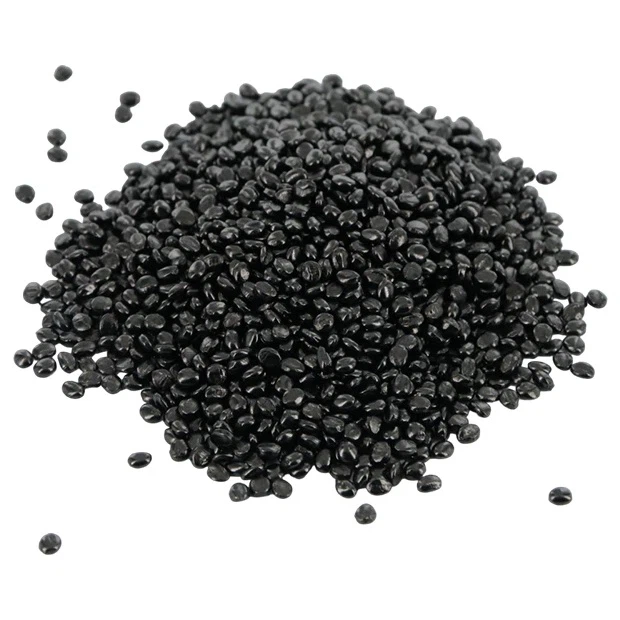
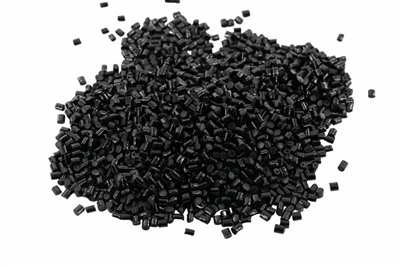

As a supplier of black masterbatch for drain pipes, I've been thinking a lot about the environmental impact of what we produce. Black masterbatch is a crucial component in the manufacturing of drain pipes, providing color, UV protection, and other properties. But like any industrial product, its production has consequences for the environment. Let's dive into what those impacts are and how we can address them.
Raw Material Extraction
The first step in producing black masterbatch is sourcing the raw materials. The primary ingredient in black masterbatch is carbon black, which is made by burning hydrocarbons in a limited supply of air. The extraction and processing of these hydrocarbons, usually from fossil fuels like oil and gas, have significant environmental impacts.
Fossil fuel extraction often involves activities like drilling and mining, which can lead to habitat destruction, soil erosion, and water pollution. Oil spills during extraction or transportation can have devastating effects on marine ecosystems, killing wildlife and contaminating water sources. Moreover, the burning of fossil fuels releases large amounts of greenhouse gases, such as carbon dioxide and methane, into the atmosphere. These gases trap heat, contributing to global warming and climate change.
Energy Consumption
The production of black masterbatch is an energy - intensive process. Manufacturing facilities need to heat, mix, and extrude the raw materials to create the masterbatch pellets. Most of the energy used in these processes comes from non - renewable sources like coal, oil, and natural gas.
High energy consumption not only depletes finite fossil fuel resources but also increases the carbon footprint of the production. For example, the heating process in a typical masterbatch production plant requires a large amount of thermal energy, which is often generated by burning fossil fuels. This results in the emission of pollutants like sulfur dioxide, nitrogen oxides, and particulate matter, which can cause air pollution and have negative health effects on humans and the environment.


Waste Generation
During the production of black masterbatch, waste is generated at various stages. There are production scraps, which are pieces of masterbatch that don't meet the quality standards. These scraps can't be directly reused in the production process and often end up in landfills.
In addition, the packaging materials used for the black masterbatch, such as plastic bags and drums, also contribute to waste. If not properly managed, these packaging materials can take hundreds of years to decompose in landfills, and some may even end up in the ocean, causing harm to marine life.
Water Pollution
Water is used in many aspects of the black masterbatch production process, such as cooling and cleaning. The wastewater generated from these operations can contain various pollutants, including heavy metals, chemicals, and suspended solids.
If this wastewater is discharged into water bodies without proper treatment, it can contaminate rivers, lakes, and groundwater. Polluted water can harm aquatic ecosystems, making it difficult for fish and other organisms to survive. It can also pose a risk to human health if the contaminated water is used for drinking or irrigation.
Addressing the Environmental Impact
As a supplier, we're committed to reducing the environmental impact of our black masterbatch production. One way we're doing this is by sourcing more sustainable raw materials. We're exploring the use of bio - based carbon black, which is made from renewable resources like biomass. Bio - based carbon black has a lower carbon footprint compared to traditional carbon black made from fossil fuels.
We're also investing in energy - efficient technologies. For example, we've installed advanced heating and cooling systems in our production facilities that use less energy. These systems are designed to recover and reuse waste heat, reducing our overall energy consumption.
To deal with waste, we've implemented a recycling program for production scraps. The scraps are ground and re - introduced into the production process, reducing the amount of waste sent to landfills. We're also working on using more sustainable packaging materials, such as biodegradable plastics and paper - based alternatives.
In terms of water pollution, we've built wastewater treatment plants at our facilities. These plants treat the wastewater to remove pollutants before discharging it into the environment. We regularly monitor the quality of the treated water to ensure it meets environmental standards.
Our Product Range
We offer a wide range of black masterbatches suitable for different applications. If you're interested in black masterbatch for blown bottles, check out our Black Masterbatch for Blown Bottle. For extrusion processes, our Black Masterbatch for Extrusion is a great choice. And if you need engineering compounding black masterbatch, we have the Engineering Compounding Black Masterbatch that meets high - quality standards.
Encouraging Sustainable Procurement
We believe that by working together with our customers, we can make a bigger impact on the environment. We encourage our customers to choose our more sustainable black masterbatch products. By doing so, they can not only get high - quality materials for their drain pipes but also contribute to a greener planet.
If you're in the market for black masterbatch for drain pipes or any of our other products, we'd love to have a chat with you. Our team of experts can provide you with detailed information about our products, their environmental benefits, and how they can meet your specific requirements. Whether you're a small - scale manufacturer or a large - scale industrial company, we're here to support you.
Conclusion
The production of black masterbatch for drain pipes has several environmental impacts, from raw material extraction to waste generation. However, by taking proactive measures, such as using sustainable raw materials, improving energy efficiency, and managing waste and water pollution, we can reduce these impacts. As a supplier, we're dedicated to providing high - quality black masterbatch while minimizing our environmental footprint. If you're interested in learning more about our products or need to make a purchase, don't hesitate to reach out. Let's work together to create a more sustainable future.
References
- "Environmental Impact of the Plastics Industry." Journal of Environmental Studies.
- "Sustainable Manufacturing Practices in the Masterbatch Industry." International Journal of Green Technology.
- "Carbon Black Production and Its Environmental Consequences." Environmental Science Review.