


Can universal black masterbatch be used in transparent plastics? That's a question I often get asked as a supplier of universal black masterbatch. Let's dig into this topic and find out the ins and outs.
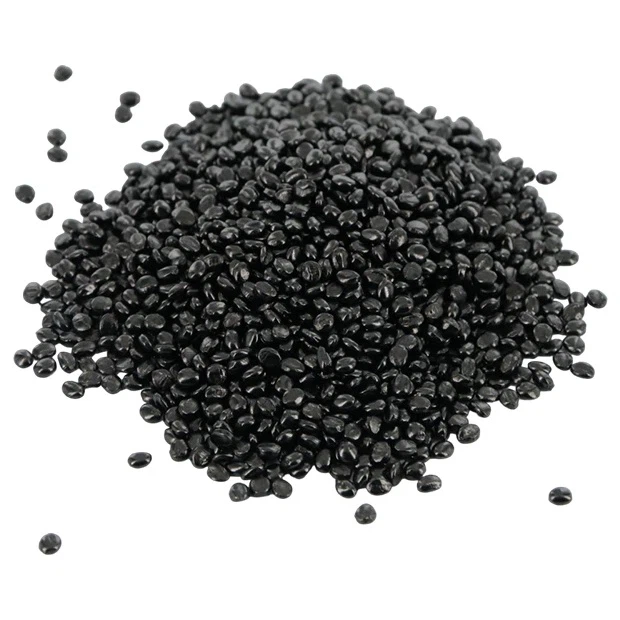
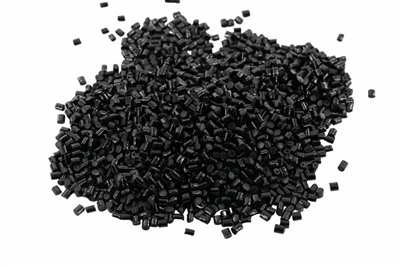
First off, let's talk a bit about what universal black masterbatch is. It's a concentrated mixture of black pigment, usually carbon black, and a carrier resin. This masterbatch is designed to be versatile, working well in a variety of plastic processing methods like injection molding, extrusion, and granulation. We've got different types of universal black masterbatch for various applications, such as Black Masterbatch for Filament, Black Masterbatch for Extrusion, and Black Masterbatch for Granulation.
Now, when it comes to transparent plastics, things get a bit tricky. Transparent plastics are prized for their clarity and see - through properties. Think of products like clear plastic bottles, optical lenses, or transparent food containers. The main goal when using any additive in transparent plastics is to maintain that transparency as much as possible.
So, can we use universal black masterbatch in transparent plastics? Well, the short answer is it depends. Universal black masterbatch is formulated to provide a deep, rich black color to plastics. Carbon black, the main pigment in black masterbatch, is opaque. When you add it to a plastic, it absorbs light, which is great for creating a black color but not so great for maintaining transparency.
If you add a large amount of universal black masterbatch to transparent plastics, you'll end up with a plastic that's no longer transparent. The carbon black particles will scatter and absorb light, turning the plastic black and opaque. However, in some cases, you can use a very small amount of universal black masterbatch to achieve a tinted or semi - transparent effect.
For example, in some applications where you want a slight black tint to the transparent plastic, a tiny dose of universal black masterbatch can do the trick. Maybe you're making a clear plastic product that needs a bit of a subtle color shift for aesthetic reasons. But you have to be extremely careful with the dosage. A little bit can go a long way, and it's easy to overdo it and lose the transparency.
Another factor to consider is the quality of the universal black masterbatch. High - quality masterbatch is formulated with well - dispersed carbon black particles. When the particles are well - dispersed, they are less likely to clump together and cause visible defects in the plastic. This is crucial when working with transparent plastics, as any clumps or aggregates can cause light scattering and reduce the transparency.


The compatibility of the carrier resin in the universal black masterbatch with the transparent plastic resin is also important. If the two resins don't mix well, it can lead to phase separation, which will make the plastic look cloudy or hazy. You need to make sure that the masterbatch is compatible with the specific type of transparent plastic you're using, whether it's polycarbonate, acrylic, or PET.
Let's talk about some of the benefits and drawbacks of using universal black masterbatch in transparent plastics.
Benefits
- Aesthetic Enhancement: As mentioned earlier, a small amount of universal black masterbatch can add a subtle tint to the transparent plastic, giving it a unique and stylish look. This can make your product stand out in the market.
- UV Protection: Carbon black has some UV - absorbing properties. So, even in a small amount, it can provide a bit of UV protection to the transparent plastic, which can extend the lifespan of the product, especially if it's going to be exposed to sunlight.
Drawbacks
- Loss of Transparency: The most obvious drawback is the potential loss of transparency. It's very easy to go overboard with the masterbatch and end up with an opaque or semi - opaque plastic instead of a clear one.
- Quality Control: Achieving the right dosage and ensuring proper dispersion and compatibility requires strict quality control. This can be time - consuming and costly, especially for large - scale production.
So, if you're thinking about using universal black masterbatch in transparent plastics, here are some tips:
- Start with Small Dosages: Begin with a very small amount of masterbatch and gradually increase it if needed. This way, you can carefully monitor the effect on the transparency.
- Test, Test, Test: Conduct small - scale tests before starting full - scale production. This will help you determine the optimal dosage and ensure that the masterbatch is compatible with your transparent plastic.
- Choose High - Quality Masterbatch: Invest in high - quality universal black masterbatch to ensure good dispersion and compatibility. It might cost a bit more upfront, but it can save you a lot of headaches in the long run.
In conclusion, while it's possible to use universal black masterbatch in transparent plastics, it's a delicate balancing act. You need to carefully consider the dosage, quality, and compatibility to achieve the desired results. If you're interested in exploring the use of our universal black masterbatch for your transparent plastic applications, we'd love to talk to you. Whether you're a small - scale manufacturer or a large industrial player, we can work with you to find the right solution for your needs. Get in touch with us to start a discussion about your project and see how our universal black masterbatch can fit into your production process.
References
- "Plastics Additives Handbook" by Hans Zweifel.
- "Polymer Science and Technology" textbooks for general knowledge on plastic properties and additives.
So, if you've got any questions or want to start a procurement discussion, don't hesitate to reach out. We're here to help you make the most of our universal black masterbatch in your plastic products.