

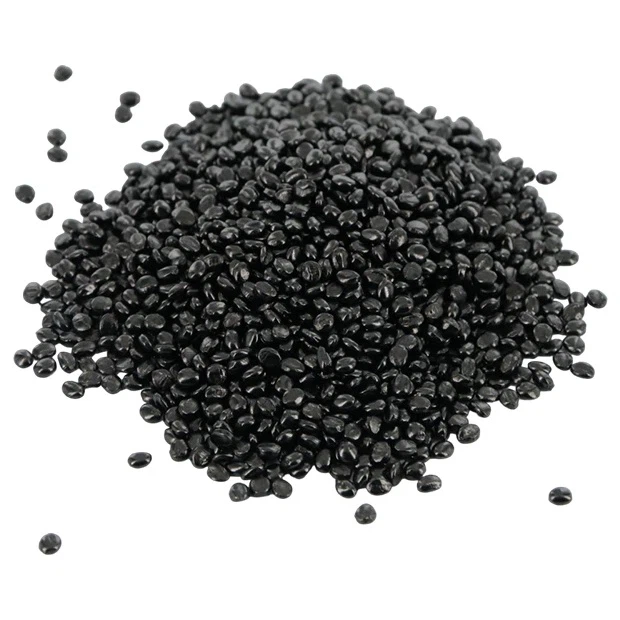
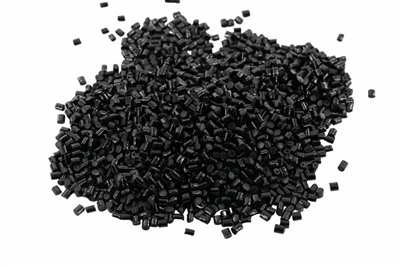

Hey there! As a supplier of PS black masterbatch, I often get asked whether PS black masterbatch affects the mechanical properties of PS plastics. Well, let's dive right into it and break this down.
First off, what exactly is PS black masterbatch? It's a concentrated mixture of carbon black pigment and other additives that are dispersed in a PS (polystyrene) carrier resin. This masterbatch is used to color PS plastics black, giving them that sleek and professional look. But the big question is, does adding this masterbatch mess with the mechanical properties of the PS plastics?
Understanding PS Plastics
PS plastics are pretty popular in the plastics industry. They're known for their transparency, rigidity, and good electrical insulation properties. They're used in a wide range of applications, from disposable cutlery to electronic housings. The mechanical properties of PS plastics, such as tensile strength, impact strength, and flexural strength, are crucial for determining how well they'll perform in these applications.
How PS Black Masterbatch Works
When we add PS black masterbatch to PS plastics, we're essentially introducing carbon black particles and other additives into the polymer matrix. The carbon black is the key ingredient that gives the plastic its black color. It's a fine powder that needs to be well - dispersed in the PS resin to achieve an even color.
The additives in the masterbatch can vary. They might include dispersants to help the carbon black spread evenly, antioxidants to prevent the plastic from degrading over time, and processing aids to make the extrusion or molding process smoother.
Impact on Tensile Strength
Tensile strength is a measure of how much stress a material can withstand before it breaks when being pulled. In general, a small amount of well - dispersed PS black masterbatch may not have a significant negative impact on the tensile strength of PS plastics. The carbon black particles can actually act as reinforcing agents to some extent. They can help distribute the stress within the polymer matrix, similar to how fibers work in a composite material.
However, if the masterbatch is not properly dispersed, the carbon black particles can agglomerate. These agglomerates act as stress concentrators, which means that when the plastic is under tension, the stress gets concentrated around these clumps. This can lead to a decrease in tensile strength and cause the plastic to break more easily. So, it's super important to ensure good dispersion of the masterbatch during the processing.
Effect on Impact Strength
Impact strength is about how well a material can absorb energy when it's hit or dropped. Here, the story can be a bit more complicated. Carbon black particles can increase the brittleness of the plastic. If the loading of the PS black masterbatch is too high, the plastic may become more prone to cracking upon impact.
The additives in the masterbatch can play a role here too. Some processing aids can improve the flow of the plastic during processing, which might help maintain the impact strength. But if the carbon black content is excessive, it can still overshadow the positive effects of these additives.
Influence on Flexural Strength
Flexural strength measures a material's ability to resist bending. Similar to tensile strength, a well - dispersed PS black masterbatch may have a minimal impact on flexural strength. In fact, in some cases, it can even enhance it slightly. The carbon black particles can provide some additional stiffness to the plastic, making it more resistant to bending.
But again, poor dispersion can be a problem. Agglomerated carbon black can cause weak points in the plastic, which can lead to a reduction in flexural strength.
Role of Dispersion
As I've mentioned a few times, dispersion is crucial. We use advanced mixing and compounding techniques to ensure that the carbon black and additives in the PS black masterbatch are evenly distributed in the PS resin. This not only gives us a consistent black color but also helps maintain the mechanical properties of the plastic.
For example, we use high - shear mixers that can break down the carbon black agglomerates and disperse them uniformly in the PS carrier resin. This way, when the masterbatch is added to the PS plastics during processing, the chances of agglomeration are minimized.
Compatibility with Different PS Grades
There are different grades of PS plastics, such as general - purpose PS (GPPS) and high - impact PS (HIPS). The effect of PS black masterbatch on their mechanical properties can vary.
GPPS is more rigid and brittle compared to HIPS. Adding a small amount of masterbatch to GPPS may not change its properties drastically, but a high loading could make it even more brittle. On the other hand, HIPS already has some rubber - like additives to improve its impact resistance. The addition of PS black masterbatch needs to be carefully balanced so as not to compromise this improved impact strength.
Real - World Applications
In real - world applications, the performance of PS plastics with PS black masterbatch is closely monitored. For example, in the production of electronic device housings, the plastic needs to have good mechanical properties to protect the internal components. A slight decrease in impact strength could mean that the housing is more likely to crack if the device is dropped.
In the food packaging industry, the plastic needs to have sufficient tensile strength to hold the food securely. If the mechanical properties are affected negatively by the masterbatch, it could lead to packaging failures.
Other Considerations
It's also important to consider the processing conditions. The temperature, pressure, and shear rate during extrusion or molding can affect how the masterbatch interacts with the PS plastics. For example, if the processing temperature is too high, it can cause the additives in the masterbatch to degrade, which can in turn affect the mechanical properties of the final product.
Conclusion
So, does PS black masterbatch affect the mechanical properties of PS plastics? The answer is, it depends. When used correctly with proper dispersion and in appropriate amounts, it can be added to PS plastics without causing significant harm to their mechanical properties. In some cases, it can even offer some benefits like enhanced stiffness.
However, if not handled properly, such as using too much masterbatch or having poor dispersion, it can lead to a decrease in tensile strength, impact strength, and flexural strength.
As a PS black masterbatch supplier, we're constantly working on improving our products. We ensure that our masterbatch is of high quality, with excellent dispersion properties and carefully selected additives.


If you're in the market for PS black masterbatch or have any questions about how it might affect your PS plastic products, don't hesitate to reach out. We're here to help you make the best choice for your specific application. Whether you're looking for PP Black Masterbatch or Black Masterbatch for Automotive or Black Masterbatch For Automotive, we've got you covered. Let's start a conversation about your requirements and see how we can work together to achieve the best results for your plastic products.
References
- "Plastics Additives Handbook" by Hans Zweifel
- "Polymer Science and Technology" by Charles A. Daniels