

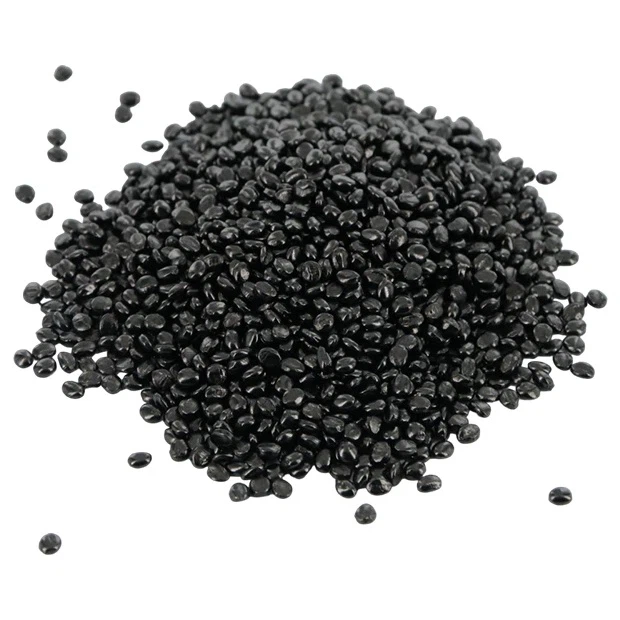
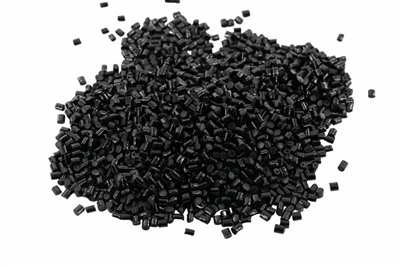

When it comes to the world of toy manufacturing, color plays a pivotal role in attracting consumers, especially in the case of black toys. Black masterbatch is a key component in achieving the desired color depth in toys. As a reputable black masterbatch for toy supplier, I've had extensive experience in this field. In this blog, I'll share some insights on how to adjust the color depth of toys with black masterbatch.
Understanding Black Masterbatch
Black masterbatch is a concentrated mixture of carbon black pigment and a carrier resin. It is designed to be added to the base polymer during the manufacturing process to impart a black color. The quality and properties of black masterbatch can significantly affect the final color depth of toys. High - quality black masterbatch contains well - dispersed carbon black particles, which ensure uniform color distribution and better color intensity.
There are different types of black masterbatch available in the market, each with its own characteristics. For example, Black Masterbatch for PP Tableware is formulated to meet the specific requirements of polypropylene (PP) materials used in tableware production. Similarly, Black Masterbatch for Injection is optimized for injection molding processes, which are commonly used in toy manufacturing. And Black Masterbatch for Drain Pipe has its own unique properties suitable for drain pipe applications, although it may not be directly relevant to toys, it shows the diversity of black masterbatch formulations.
Factors Affecting Color Depth
Carbon Black Concentration
The most obvious factor affecting the color depth of toys is the concentration of carbon black in the masterbatch. Generally, a higher carbon black concentration will result in a deeper black color. However, there is a limit to how much carbon black can be added. Excessive carbon black can lead to processing difficulties, such as poor flowability of the polymer melt, which may cause defects in the toy's surface finish. It can also affect the mechanical properties of the toy, making it more brittle.
Dispersion Quality
The dispersion of carbon black particles in the masterbatch is crucial. If the carbon black is not well - dispersed, it can lead to uneven color distribution in the toy. Agglomerated carbon black particles will appear as dark spots or streaks, which are unacceptable in high - quality toys. To ensure good dispersion, proper mixing and compounding processes are required during the production of the masterbatch. This may involve the use of high - shear mixers and appropriate dispersing agents.
Base Polymer Properties
The type and properties of the base polymer used in toy manufacturing also affect the color depth. Different polymers have different affinities for carbon black. For example, some polymers may absorb more carbon black, resulting in a deeper color, while others may have a more transparent or semi - transparent nature, which can reduce the apparent color depth. The melt flow index (MFI) of the polymer is another important factor. A polymer with a higher MFI will generally have better flowability, which can help in achieving a more uniform color distribution.
Adjusting Color Depth
Determining the Right Masterbatch Concentration
The first step in adjusting the color depth is to determine the appropriate concentration of the black masterbatch in the base polymer. This usually requires some trial - and - error testing. Start with a relatively low concentration and gradually increase it until the desired color depth is achieved. It's important to keep detailed records of each test, including the masterbatch concentration, processing conditions, and the resulting color of the toy.
Optimizing Processing Conditions
Processing conditions such as temperature, pressure, and injection speed can also affect the color depth. Higher processing temperatures can improve the dispersion of the masterbatch in the polymer melt, leading to a more uniform color. However, excessive temperatures can cause thermal degradation of the polymer and the masterbatch, which may change the color and properties of the toy. Adjusting the injection speed can also influence the flow pattern of the polymer melt, which in turn affects the color distribution.
Quality Control
Throughout the production process, strict quality control measures should be implemented. This includes regular color measurements using colorimeters or spectrophotometers. These instruments can provide objective data on the color depth, hue, and chroma of the toys. By comparing the measured values with the desired color standards, any deviations can be detected early, and adjustments can be made to the masterbatch concentration or processing conditions.
Case Studies
Let's take a look at some real - world examples of adjusting the color depth of toys with black masterbatch.
Case 1: Soft Plastic Toys
A toy manufacturer was producing soft plastic toys and wanted to achieve a deep, rich black color. Initially, they used a standard black masterbatch at a relatively low concentration, but the color was not deep enough. After conducting a series of tests, they found that increasing the masterbatch concentration by 2% and slightly increasing the processing temperature resulted in the desired color depth. They also improved the dispersion of the masterbatch by using a more efficient mixing process, which eliminated the problem of uneven color distribution.
Case 2: Hard Plastic Toys
Another manufacturer was producing hard plastic toys using an injection molding process. They were experiencing issues with color variation between different batches of toys. After analyzing the problem, they discovered that the dispersion of the black masterbatch was inconsistent. By using a higher - quality masterbatch with better dispersion properties and optimizing the injection speed, they were able to achieve a more uniform color depth across all batches.
Conclusion
Adjusting the color depth of toys with black masterbatch is a complex process that involves understanding the factors affecting color, determining the right masterbatch concentration, optimizing processing conditions, and implementing strict quality control. As a black masterbatch for toy supplier, I'm committed to providing high - quality masterbatch products and technical support to help toy manufacturers achieve the best possible color results.
If you're a toy manufacturer looking for reliable black masterbatch solutions, I invite you to contact me for further discussions and potential procurement. We can work together to find the most suitable masterbatch for your specific toy production needs and ensure that your toys meet the highest quality and color standards.


References
- "Plastics Additives Handbook" by Hans Zweifel
- "Colorants for Plastics: Principles and Applications" by Charles A. Daniels