

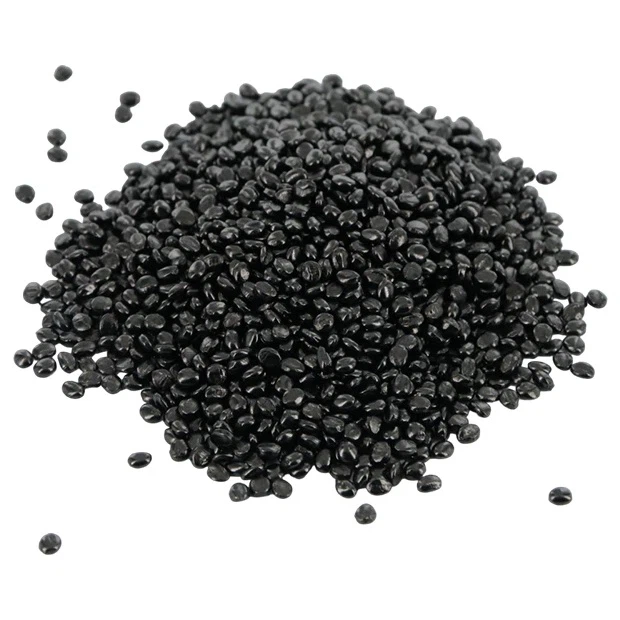
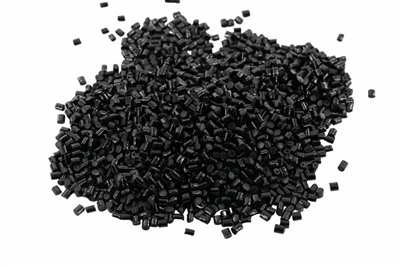

When it comes to producing high - quality sheets, choosing the right black masterbatch is a crucial decision that can significantly impact the final product's performance, appearance, and cost - effectiveness. As a trusted supplier of black masterbatch for sheets, I understand the complexities involved in this selection process. In this blog post, I will share some essential factors to consider when choosing the appropriate black masterbatch for your sheet production.
1. Compatibility with the Base Resin
The first and foremost factor to consider is the compatibility of the black masterbatch with the base resin used in sheet production. Different polymers have different chemical structures and processing characteristics. For example, polypropylene (PP), polyethylene (PE), and polyvinyl chloride (PVC) have distinct melting points, viscosities, and chemical reactivities.
A well - compatible black masterbatch will disperse evenly in the base resin, resulting in a uniform color and consistent mechanical properties across the sheet. Incompatible masterbatches may lead to issues such as poor dispersion, surface defects, and reduced mechanical strength. Therefore, it is essential to choose a black masterbatch that is specifically formulated for the type of base resin you are using.
2. Color Quality and Consistency
Color is one of the most visible aspects of a sheet product. The black masterbatch should provide a deep, rich, and consistent black color throughout the sheet. Variations in color can be a sign of poor dispersion or inconsistent pigment loading in the masterbatch.
When evaluating the color quality, consider factors such as lightfastness and weatherability. Sheets that are exposed to sunlight or outdoor environments require a black masterbatch with high lightfastness to prevent color fading over time. Additionally, the masterbatch should be able to maintain its color consistency under different processing conditions, such as changes in temperature and shear rate.
3. Dispersion Properties
Good dispersion of the black pigment in the base resin is essential for achieving a high - quality sheet. A masterbatch with poor dispersion will result in visible specks or streaks on the sheet surface, which can degrade the product's appearance and performance.
The dispersion properties of a black masterbatch depend on several factors, including the quality of the pigment, the carrier resin, and the manufacturing process. High - quality pigments with small particle sizes are more likely to disperse evenly. The carrier resin should have good compatibility with the base resin and sufficient flow properties to facilitate the dispersion of the pigment.
4. UV Protection
For sheets that are used outdoors, UV protection is a critical consideration. Ultraviolet (UV) radiation can cause degradation of the polymer matrix, leading to reduced mechanical strength, embrittlement, and color fading.
A black masterbatch with UV stabilizers can help protect the sheet from the harmful effects of UV radiation. These stabilizers work by absorbing or scattering UV rays, preventing them from reaching the polymer chains. When choosing a black masterbatch for outdoor applications, look for products that are specifically formulated with high - performance UV stabilizers.


5. Cost - Effectiveness
Cost is always a significant factor in any manufacturing process. While it may be tempting to choose the cheapest black masterbatch available, it is important to consider the overall cost - effectiveness. A lower - cost masterbatch may have inferior quality, which can lead to higher production costs in the long run due to increased scrap rates, reduced product performance, and shorter product lifespan.
Instead, look for a black masterbatch that offers a good balance between quality and price. Consider the cost per unit of color and the value that the masterbatch adds to your final product. Sometimes, investing in a slightly more expensive but higher - quality masterbatch can result in significant savings in terms of improved product quality and reduced production waste.
6. Application - Specific Requirements
Different sheet applications have different requirements. For example, sheets used for packaging may require a black masterbatch that is food - contact compliant. On the other hand, sheets used in construction may need to have excellent fire - retardant properties.
If you are producing sheets for garbage bags, you can consider our Black Masterbatch for Garbage Bag. This masterbatch is specifically designed to meet the requirements of garbage bag production, such as good tear strength and flexibility.
For mulch films, our Black Masterbatch for Mulch Film is an ideal choice. It provides excellent UV protection and color consistency, which are essential for the long - term performance of mulch films.
If you are involved in stretch film production, our Black Masterbatch for Strech Film can offer the right balance of stretchability and color quality.
7. Supplier Reputation and Technical Support
The reputation of the black masterbatch supplier is also an important consideration. A reliable supplier will have a proven track record of providing high - quality products and excellent customer service. They should be able to offer technical support, including assistance with product selection, troubleshooting, and process optimization.
Before choosing a supplier, research their reputation in the industry. Look for customer reviews, testimonials, and case studies. A supplier with a strong reputation is more likely to stand behind their products and provide the support you need to ensure the success of your sheet production.
Conclusion
Choosing the right black masterbatch for sheet production is a multi - faceted decision that requires careful consideration of several factors. By taking into account the compatibility with the base resin, color quality, dispersion properties, UV protection, cost - effectiveness, application - specific requirements, and the supplier's reputation, you can select a black masterbatch that will meet your production needs and help you produce high - quality sheets.
If you are interested in learning more about our black masterbatch products or would like to discuss your specific requirements, please feel free to contact us. We are committed to providing the best solutions for your sheet production and look forward to the opportunity to work with you.
References
- Plastics Additives Handbook, 6th Edition, Hans Zweifel
- Polymer Processing: Principles and Design, Second Edition, R. T. Fenner