

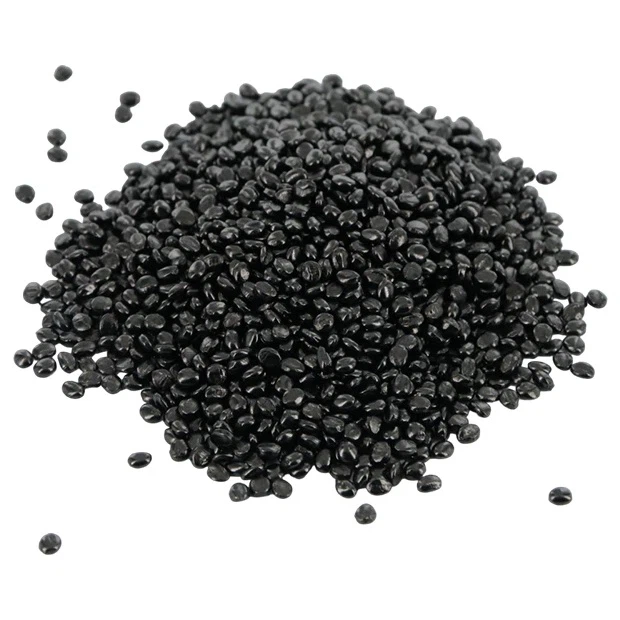
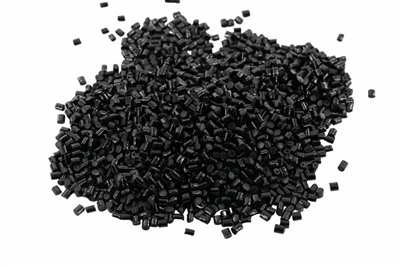

As a supplier of black masterbatch for mulch film, I've been in the industry long enough to understand how crucial it is to evaluate the long - term performance of our product. Mulch films are widely used in agriculture to improve soil temperature, reduce weed growth, and conserve water. And the black masterbatch we supply plays a vital role in giving these films their color and some of their essential properties. So, how do we go about evaluating its long - term performance?
1. Initial Quality Assessment
Before we even think about long - term performance, we need to make sure the black masterbatch meets certain initial quality standards. This includes checking the pigment dispersion. If the carbon black pigment in the masterbatch isn't well - dispersed, it can lead to uneven color in the mulch film and may also affect its mechanical properties. We use advanced microscopy techniques to examine the dispersion of the pigment particles at a microscopic level.
The particle size of the carbon black is also important. Smaller particle sizes generally result in better color strength and UV protection. We use particle size analyzers to measure and control the size of the carbon black particles in our masterbatch. Another key factor is the melt flow index (MFI). A proper MFI ensures that the masterbatch can be easily mixed with the base resin during the film - making process. We test the MFI according to international standards to ensure consistency.
2. UV Resistance Testing
One of the most important aspects of long - term performance for mulch film is its ability to resist UV radiation. The sun's UV rays can break down the polymer chains in the film, causing it to become brittle and lose its mechanical strength over time. To evaluate the UV resistance of our black masterbatch, we conduct accelerated weathering tests.
We expose samples of the mulch film containing our masterbatch to artificial UV light in a controlled environment. The intensity and spectrum of the light are set to mimic natural sunlight as closely as possible. We then measure the changes in the film's properties, such as tensile strength, elongation at break, and color, over a period of time. If the film retains its mechanical properties and color well after the test, it indicates that our black masterbatch is providing good UV protection.
3. Thermal Stability
Mulch films are exposed to a wide range of temperatures in the field, from hot summer days to cold nights. So, the thermal stability of the black masterbatch is crucial. We perform thermal gravimetric analysis (TGA) to measure the weight loss of the masterbatch as it is heated. This helps us understand at what temperatures the masterbatch starts to decompose.
We also conduct differential scanning calorimetry (DSC) to study the melting and crystallization behavior of the masterbatch. By understanding these thermal properties, we can ensure that the masterbatch will not degrade during the film - making process or under normal field conditions. If the masterbatch has good thermal stability, the mulch film will maintain its integrity over a long period of time.


4. Compatibility with Base Resins
The black masterbatch needs to be compatible with the base resin used in the mulch film. If there is poor compatibility, it can lead to issues such as delamination, poor dispersion, and reduced mechanical properties. We conduct compatibility tests by mixing the masterbatch with different types of base resins in various ratios.
We then examine the resulting films for any signs of incompatibility, such as surface defects or changes in mechanical properties. Good compatibility ensures that the masterbatch can evenly distribute throughout the film, providing consistent color and performance. For example, if you're interested in other types of black masterbatch, you can check out Black Masterbatch for Strech Film and Black Masterbatch For Granulation.
5. Field Trials
All the laboratory tests are important, but nothing beats real - world field trials. We work with farmers and agricultural researchers to conduct long - term field trials of our mulch films. We place the films in different agricultural environments, with varying soil types, climates, and crop types.
During the trials, we monitor the performance of the mulch films over the entire growing season. We look at factors such as weed suppression, soil temperature regulation, water conservation, and the overall durability of the film. We also collect feedback from the farmers on the ease of use and the appearance of the film. This real - world data is invaluable in evaluating the long - term performance of our black masterbatch.
6. Chemical Resistance
Mulch films may come into contact with various chemicals in the field, such as fertilizers and pesticides. The black masterbatch should not be affected by these chemicals, as it could lead to a decrease in the film's performance. We conduct chemical resistance tests by exposing the mulch film samples to different types of chemicals commonly used in agriculture.
We measure the changes in the film's properties, such as weight, thickness, and mechanical strength, after the exposure. If the film shows minimal changes, it indicates that the black masterbatch has good chemical resistance. This is especially important for ensuring the long - term effectiveness of the mulch film in protecting the soil and the crops. And for those in the food industry, we also have Food Contact Black Masterbatch available.
7. Cost - Benefit Analysis
Finally, when evaluating the long - term performance of the black masterbatch, we also need to consider the cost - benefit ratio. A high - performance masterbatch may be more expensive, but if it can significantly extend the lifespan of the mulch film and improve crop yields, it may be a worthwhile investment.
We work with our customers to analyze the cost of the masterbatch, the cost of film production, and the potential savings in terms of reduced weed control, water usage, and increased crop yields. By providing a comprehensive cost - benefit analysis, we can help our customers make informed decisions about which black masterbatch is the best choice for their specific needs.
In conclusion, evaluating the long - term performance of black masterbatch in mulch film is a complex process that involves multiple aspects, from initial quality assessment to real - world field trials. As a supplier, we are committed to providing high - quality black masterbatch that can meet the demanding requirements of the agricultural industry. If you're interested in learning more about our products or have any questions regarding black masterbatch for mulch film, feel free to reach out to us for a procurement discussion.
References
- ASTM International. (Year). Standard test methods for various plastic properties.
- ISO. (Year). International standards for plastics testing.
- Agricultural research papers on the performance of mulch films.