

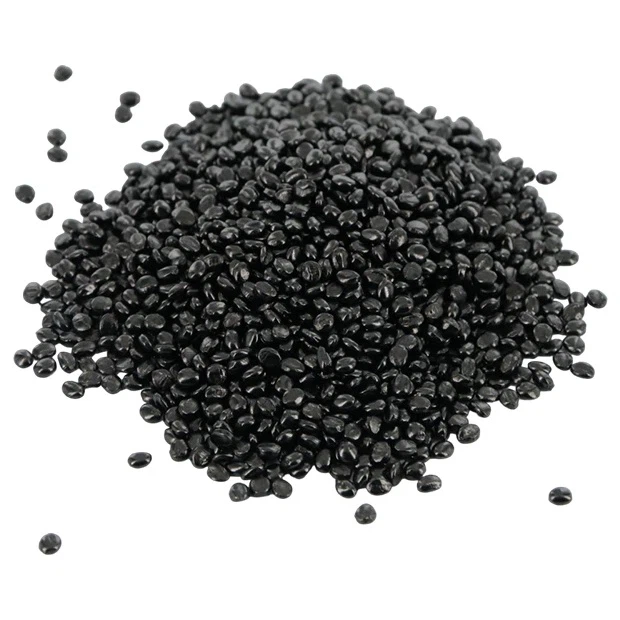
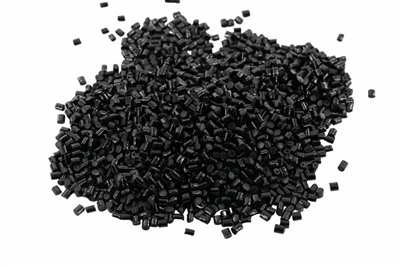

As a supplier of black masterbatch for drain pipes, I often encounter inquiries regarding the particle size of this essential product. In this blog post, I will delve into the significance of particle size in black masterbatch for drain pipes, explore the ideal particle size range, and discuss how it impacts the performance and quality of the final product.
Importance of Particle Size in Black Masterbatch
The particle size of black masterbatch plays a crucial role in determining its dispersion and compatibility within the polymer matrix. When the masterbatch is added to the base resin during the manufacturing process, it needs to disperse evenly to ensure uniform color distribution and consistent performance. A proper particle size facilitates better dispersion, which in turn enhances the overall quality of the drain pipes.
If the particle size is too large, the masterbatch may not disperse properly, leading to visible specks or streaks in the finished pipes. This not only affects the aesthetic appearance but also compromises the mechanical properties of the pipes. On the other hand, if the particle size is too small, the masterbatch may agglomerate, making it difficult to handle and process. Additionally, very fine particles can pose health risks during handling due to their potential to become airborne.


Ideal Particle Size Range
The ideal particle size range for black masterbatch used in drain pipes typically falls between 10 to 100 micrometers (μm). This range strikes a balance between good dispersion and ease of handling. Masterbatch particles within this size range can be easily incorporated into the polymer matrix during the extrusion process, ensuring uniform color and properties throughout the pipe.
A particle size of around 20 to 50 μm is often considered optimal for most drain pipe applications. At this size, the masterbatch can disperse effectively, providing a smooth and consistent color finish. Moreover, it is large enough to prevent excessive dust generation during handling, which is important for both safety and environmental reasons.
Factors Affecting Particle Size Selection
Several factors influence the selection of the appropriate particle size for black masterbatch in drain pipes. These include the type of polymer resin used, the manufacturing process, and the specific requirements of the end product.
- Polymer Resin: Different polymer resins have varying viscosities and melting points, which can affect the dispersion of the masterbatch. For example, high-viscosity resins may require smaller particle sizes to ensure proper dispersion, while low-viscosity resins can tolerate slightly larger particles.
- Manufacturing Process: The extrusion process used to produce drain pipes can also impact the choice of particle size. Extrusion conditions such as temperature, pressure, and screw speed can influence the dispersion of the masterbatch. In some cases, a smaller particle size may be necessary to achieve good dispersion under high-shear extrusion conditions.
- End Product Requirements: The intended use of the drain pipes and the specific performance requirements can also play a role in particle size selection. For instance, if the pipes are required to have high UV resistance, a masterbatch with a specific particle size and carbon black content may be needed to optimize the protection.
Impact of Particle Size on Product Performance
The particle size of black masterbatch can have a significant impact on the performance of drain pipes. Here are some key areas where particle size can make a difference:
- Color Consistency: As mentioned earlier, proper particle size ensures uniform dispersion of the masterbatch, resulting in consistent color throughout the pipe. This is important for maintaining the aesthetic appeal of the product and meeting customer expectations.
- Mechanical Properties: Good dispersion of the masterbatch can enhance the mechanical properties of the pipes, such as strength, stiffness, and impact resistance. On the other hand, poor dispersion due to improper particle size can lead to weak spots in the pipe, reducing its overall durability.
- UV Resistance: Carbon black, the main component of black masterbatch, provides UV protection to the pipes. A well-dispersed masterbatch with the right particle size can effectively shield the polymer from UV radiation, extending the service life of the pipes.
Our Offerings
As a leading supplier of black masterbatch for drain pipes, we understand the importance of particle size and its impact on product performance. Our masterbatch products are carefully formulated to have an optimal particle size range, ensuring excellent dispersion and consistent quality.
We offer a wide range of black masterbatch options for different types of drain pipe applications. Whether you need a masterbatch for Black Masterbatch For Pipe, or have specific requirements for other applications such as Black Masterbatch for Garbage Bag or Black Masterbatch for Toy, we have the expertise and products to meet your needs.
Our team of experts is always available to provide technical support and guidance on selecting the right masterbatch for your specific application. We can help you determine the optimal particle size based on your polymer resin, manufacturing process, and end product requirements.
Contact Us for Procurement
If you are interested in purchasing high-quality black masterbatch for your drain pipe manufacturing needs, we invite you to contact us for a detailed discussion. Our dedicated sales team will be happy to assist you with product information, samples, and pricing. We are committed to providing you with the best solutions and ensuring your satisfaction.
References
- "Plastics Additives Handbook" by Hans Zweifel
- "Polymer Processing: Principles and Design" by Z. Tadmor and C. G. Gogos
- Industry standards and guidelines for drain pipe manufacturing