


Hey there! As a supplier of PS black masterbatch, I've seen firsthand how crucial it is to optimize its use in PS plastics production. In this blog, I'll share some tips and tricks that can help you get the most out of our PS black masterbatch.
Understanding PS Black Masterbatch
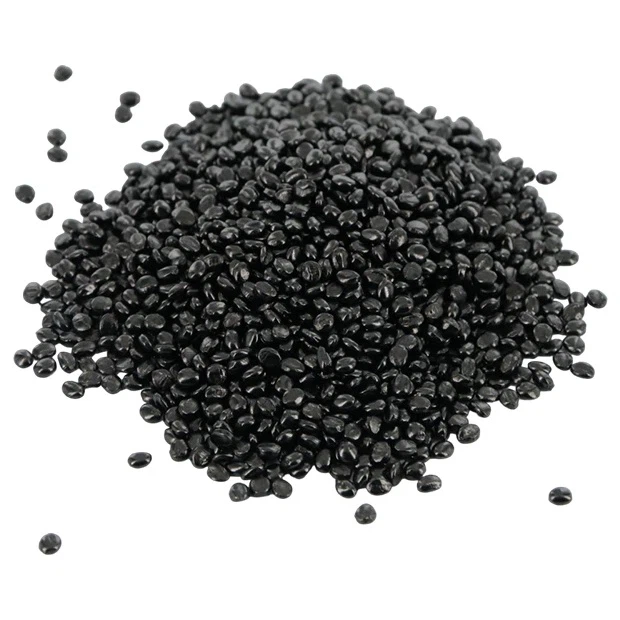
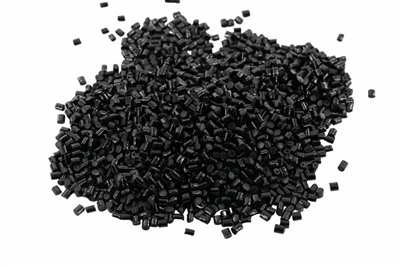
First off, let's quickly go over what PS black masterbatch is. It's a concentrated mixture of carbon black pigment and a carrier resin, specifically formulated for use in polystyrene (PS) plastics. This masterbatch is used to impart a deep black color to PS products, enhancing their aesthetic appeal and sometimes even improving their UV resistance.
Choosing the Right Masterbatch
One of the first steps in optimizing the use of PS black masterbatch is choosing the right one for your specific application. We offer a range of options, each with its own unique properties. For instance, if you're looking for a masterbatch without a carrier resin, you might be interested in our No Carrier Black Masterbatch. This type is great for applications where you need maximum compatibility with the base PS resin.
On the other hand, if you're in the automotive industry, our Black Masterbatch For Automotive is designed to meet the high - performance requirements of automotive components. It offers excellent color stability and dispersion, which is essential for parts that are exposed to different environmental conditions.
And if you're working with ABS plastics in combination with PS, our ABS Black Masterbatch can be a great choice. It provides a consistent black color across both materials.
Determining the Right Dosage
Once you've selected the appropriate masterbatch, the next step is to figure out the right dosage. Using too little masterbatch won't give you the desired black color, while using too much can be wasteful and may even affect the mechanical properties of the PS plastic.
The dosage depends on several factors, such as the desired color intensity, the type of PS resin, and the processing conditions. As a general rule of thumb, for a medium - to - high - intensity black color, a dosage of 2% - 5% is usually sufficient. However, it's always a good idea to conduct small - scale trials to determine the optimal dosage for your specific application.
Proper Mixing
Proper mixing of the PS black masterbatch with the base PS resin is crucial for achieving a uniform color distribution. There are several methods for mixing, including dry blending and melt blending.
Dry blending is a simple and cost - effective method where the masterbatch pellets are mixed with the PS resin pellets before feeding them into the processing equipment. However, it may not provide the most uniform dispersion.
Melt blending, on the other hand, involves melting the masterbatch and the PS resin together in an extruder or a mixer. This method generally results in better dispersion and a more consistent color. Make sure to set the appropriate temperature and mixing speed during melt blending to ensure that the masterbatch is fully dispersed without degrading the PS resin.
Processing Conditions
The processing conditions also play a significant role in optimizing the use of PS black masterbatch. Temperature, pressure, and shear rate can all affect the dispersion of the masterbatch and the final properties of the PS plastic.
When it comes to temperature, it's important to set it high enough to melt the masterbatch and the PS resin but not so high that it causes thermal degradation. For most PS resins, a processing temperature in the range of 180°C - 220°C is suitable.


Pressure and shear rate also need to be carefully controlled. Higher shear rates can help break up the masterbatch agglomerates and improve dispersion. However, excessive shear can also lead to molecular degradation of the PS resin.
Quality Control
Implementing a strict quality control system is essential to ensure that the PS products meet the desired color and quality standards. Regularly test the color of the finished products using color measurement instruments such as spectrophotometers.
You can also perform other tests, such as mechanical property tests and UV resistance tests, to ensure that the addition of the masterbatch hasn't negatively affected the performance of the PS plastic. If you notice any issues, such as uneven color or poor mechanical properties, go back and review your mixing process, dosage, or processing conditions.
Storage and Handling
Proper storage and handling of the PS black masterbatch are also important. Store the masterbatch in a cool, dry place away from direct sunlight and moisture. Moisture can cause the masterbatch pellets to stick together, making it difficult to feed them into the processing equipment.
When handling the masterbatch, use clean equipment to avoid contamination. Contaminants can affect the dispersion of the masterbatch and the final quality of the PS products.
Conclusion
Optimizing the use of PS black masterbatch in PS plastics production involves a combination of choosing the right masterbatch, determining the correct dosage, proper mixing, controlling processing conditions, implementing quality control, and proper storage and handling. By following these tips, you can achieve a uniform black color, excellent mechanical properties, and cost - effective production.
If you're interested in learning more about our PS black masterbatch or have any questions regarding its use in your PS plastics production, feel free to reach out to us. We're here to help you find the best solutions for your specific needs and ensure that you get the most out of our products. Let's start a conversation and see how we can work together to optimize your production process.
References
- "Plastics Additives Handbook" by Hans Zweifel
- "Handbook of Polymer Science and Technology" edited by Herman F. Mark, et al.