

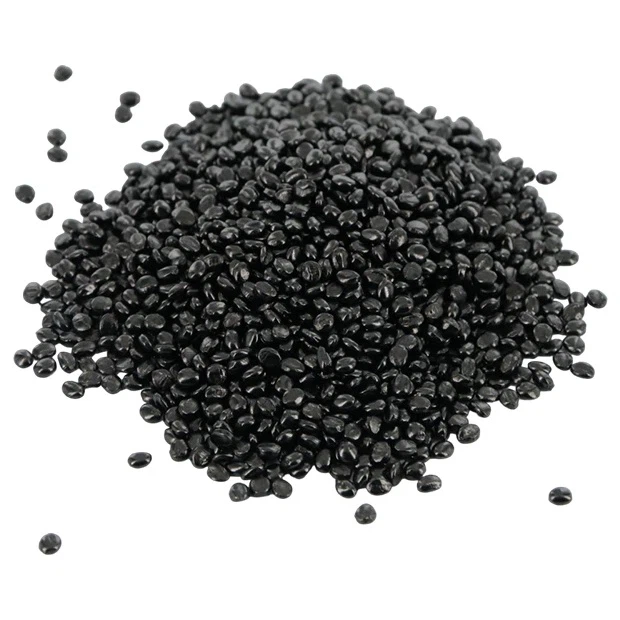
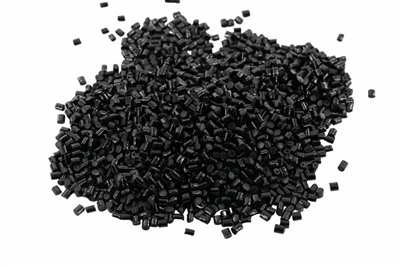

What is the price range of speciality black masterbatch?
As a supplier of speciality black masterbatch, I often get asked about the price range of our products. The cost of speciality black masterbatch can vary widely depending on several factors, and in this blog post, I'll break down these factors and give you an idea of what to expect in terms of pricing.
Factors Affecting the Price of Speciality Black Masterbatch
1. Quality of Carbon Black
Carbon black is the primary pigment in black masterbatch. Different grades of carbon black have different characteristics and costs. High - quality carbon black, such as those with a high degree of fineness, excellent dispersion, and high tinting strength, will result in a more expensive masterbatch. For example, carbon black with a smaller particle size can provide a deeper and more uniform black color, but it is more costly to produce. Suppliers need to invest in advanced manufacturing processes and quality control to ensure the proper dispersion of these high - grade carbon blacks in the masterbatch, which further drives up the price.
2. Polymer Carrier
The polymer carrier used in the masterbatch also plays a significant role in determining the price. Some polymers are more expensive than others due to their properties and availability. For instance, engineering polymers like polycarbonate (PC) are more costly compared to commodity polymers such as polyethylene (PE). When the speciality black masterbatch is designed for use with a specific polymer, the cost of the masterbatch will reflect the price of the carrier polymer.


If you are interested in PC Black Masterbatch, which is formulated with a polycarbonate carrier, you can expect it to be priced at a premium because of the high - performance nature of polycarbonate. Similarly, PC Black Masterbatch produced in a factory that adheres to strict quality control standards for polycarbonate - based products will also have a relatively higher price.
3. Additives and Special Features
Speciality black masterbatch may contain additives to enhance its performance. These additives can include UV stabilizers, antioxidants, anti - static agents, or flame retardants. The inclusion of these additives increases the cost of production. For example, UV stabilizers are used to prevent the black masterbatch from fading when exposed to sunlight, which is crucial for outdoor applications. The cost of these additives, along with the research and development required to formulate the masterbatch with the right combination of additives, is factored into the price.
4. Production Volume
Economies of scale play a vital role in the pricing of speciality black masterbatch. Larger production volumes generally lead to lower per - unit costs. When a customer orders a large quantity of masterbatch, the supplier can spread the fixed costs of production, such as equipment setup and raw material procurement, over a greater number of units. As a result, the price per kilogram or pound of the masterbatch decreases. Conversely, small - volume orders will have a higher per - unit cost because the fixed costs are spread over a smaller number of units.
Price Range of Speciality Black Masterbatch
Based on the above factors, the price range of speciality black masterbatch can be quite broad.
For commodity - grade speciality black masterbatch, which is typically used in less demanding applications and is based on common polymers like PE or polypropylene (PP), the price can range from $1.5 to $3 per kilogram. These masterbatches usually have a standard carbon black content and may not contain many special additives.
Mid - range speciality black masterbatch, which might be used in applications where better quality and some special features are required, such as in automotive interior parts or consumer electronics, can cost between $3 and $6 per kilogram. This type of masterbatch may have a higher - quality carbon black, a more refined polymer carrier, and some basic additives.
High - end speciality black masterbatch, designed for applications with strict performance requirements, such as aerospace components, medical devices, or high - end optical products, can cost upwards of $6 per kilogram. These masterbatches often use the highest - quality carbon black, engineering polymers as carriers, and a complex blend of additives.
For example, ABS Black Masterbatch, which is used in a wide range of applications from toys to automotive parts, can fall into the mid - range price category. The price will depend on factors like the grade of ABS used as the carrier, the quality of the carbon black, and the presence of any special additives.
How to Get the Best Price
If you are looking to purchase speciality black masterbatch, there are several ways to get the best price:
1. Request Quotes from Multiple Suppliers
Don't settle for the first quote you receive. Reach out to different suppliers and compare their prices, product quality, and service. This will give you a better understanding of the market and help you find the most cost - effective option.
2. Consider Your Requirements Carefully
Be clear about your application requirements. Don't over - specify if you don't need to. For example, if your product doesn't require long - term UV resistance, you may not need to pay for a masterbatch with UV stabilizers.
3. Negotiate Based on Volume
If you have a large - volume order, use this as a bargaining chip. Most suppliers are willing to offer a discount for large orders to secure long - term business.
Contact Us for Purchase and Negotiation
If you are in the market for speciality black masterbatch, I encourage you to contact us for a detailed quote. Our team of experts can help you select the right product based on your specific requirements and provide you with competitive pricing. We understand that every customer's needs are unique, and we are committed to delivering high - quality products at a reasonable price. Whether you need a small sample for testing or a large - scale production order, we are here to assist you.
References
- "Plastics Additives Handbook" by Hans Zweifel
- "Carbon Black: Production, Properties, and Applications" by various authors