

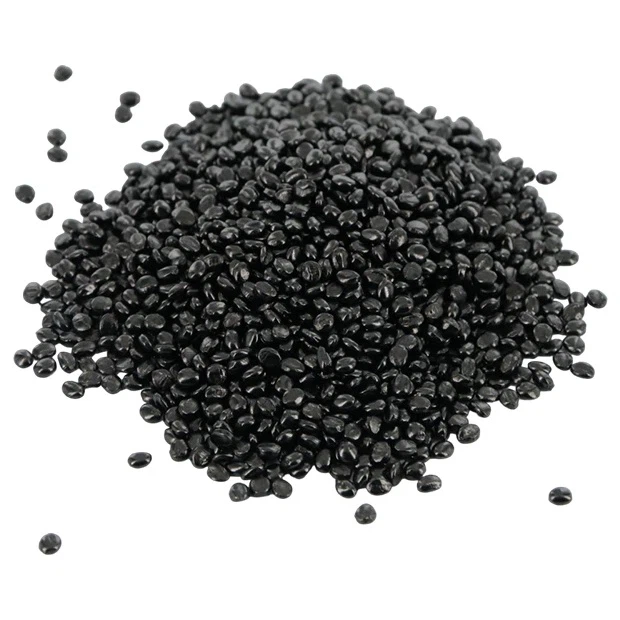
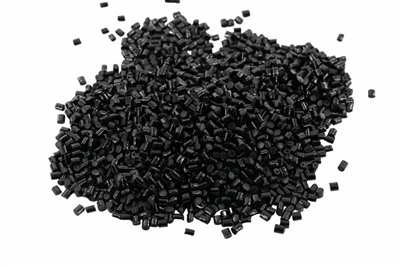

Black masterbatch is a crucial additive in the automotive industry, used to impart a deep, consistent black color to various automotive parts. As a leading supplier of black masterbatch for automotive applications, I often encounter questions from customers regarding its impact on the mold release of automotive parts. In this blog post, I will delve into the science behind black masterbatch and its relationship with mold release, providing insights based on our extensive experience and industry knowledge.
Understanding Black Masterbatch in Automotive Applications
Black masterbatch is a concentrated mixture of carbon black pigment and a carrier resin. The carbon black provides the intense black color, while the carrier resin ensures proper dispersion of the pigment within the base polymer during the manufacturing process. In the automotive industry, black masterbatch is used in a wide range of parts, including interior components such as dashboards, door panels, and seat frames, as well as exterior parts like bumpers, grilles, and trim pieces.
The quality of the black masterbatch can significantly affect the appearance and performance of the final automotive parts. High-quality black masterbatch should offer excellent color strength, dispersion, and UV stability, ensuring that the parts maintain their aesthetic appeal and durability over time. Additionally, the choice of carrier resin can impact the processing characteristics of the masterbatch, including its compatibility with the base polymer and its effect on mold release.
The Importance of Mold Release in Automotive Part Manufacturing
Mold release is a critical step in the manufacturing of automotive parts. It refers to the process of separating the molded part from the mold cavity without causing damage to the part or the mold. Proper mold release is essential for ensuring consistent part quality, reducing production time, and minimizing the risk of mold damage.
Several factors can affect mold release, including the design of the mold, the properties of the polymer material, and the presence of additives such as black masterbatch. If the mold release is not optimized, it can lead to issues such as part sticking, surface defects, and reduced mold life. Therefore, understanding the impact of black masterbatch on mold release is crucial for automotive manufacturers to achieve efficient and high-quality production.
How Black Masterbatch Affects Mold Release
The impact of black masterbatch on mold release can be influenced by several factors, including the type of carrier resin, the concentration of carbon black, and the surface properties of the masterbatch particles.
Type of Carrier Resin
The carrier resin in black masterbatch plays a significant role in determining its compatibility with the base polymer and its effect on mold release. Different carrier resins have different melting points, viscosities, and surface energies, which can affect how the masterbatch interacts with the mold surface.
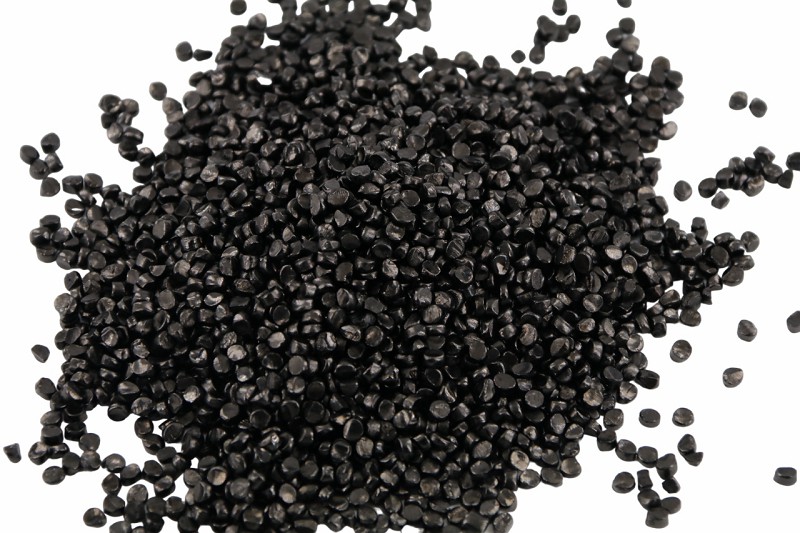

For example, some carrier resins may have a lower surface energy, which can reduce the adhesion between the molded part and the mold cavity, facilitating easier mold release. On the other hand, carrier resins with high viscosity may tend to stick to the mold surface, making it more difficult to release the part. As a supplier, we offer a variety of black masterbatches with different carrier resins to meet the specific requirements of our customers. For instance, our No Carrier Black Masterbatch is designed for applications where a carrier resin is not required, providing excellent color dispersion and mold release properties.
Concentration of Carbon Black
The concentration of carbon black in the black masterbatch can also affect mold release. Higher concentrations of carbon black can increase the viscosity of the polymer melt, which may make it more difficult for the part to flow out of the mold cavity and release from the mold. Additionally, carbon black particles can accumulate on the mold surface over time, forming a layer that can increase the friction between the part and the mold, making mold release more challenging.
However, it's important to note that the optimal carbon black concentration depends on the specific application and the requirements of the automotive part. In some cases, a higher concentration of carbon black may be necessary to achieve the desired color intensity and UV stability. Therefore, automotive manufacturers need to work closely with their black masterbatch suppliers to find the right balance between color performance and mold release.
Surface Properties of Masterbatch Particles
The surface properties of the black masterbatch particles can also impact mold release. Smooth and well-dispersed particles are less likely to adhere to the mold surface, facilitating easier mold release. On the other hand, agglomerated or rough particles can increase the friction between the part and the mold, making it more difficult to release the part.
As a supplier, we use advanced manufacturing processes to ensure that our black masterbatch particles have a uniform size and smooth surface. This helps to improve the dispersion of the masterbatch in the base polymer and reduce the risk of particle agglomeration, resulting in better mold release performance.
Strategies to Improve Mold Release with Black Masterbatch
Based on our experience, there are several strategies that automotive manufacturers can adopt to improve mold release when using black masterbatch:
Choose the Right Carrier Resin
Selecting the appropriate carrier resin is crucial for optimizing mold release. Automotive manufacturers should consider the compatibility of the carrier resin with the base polymer, as well as its processing characteristics and mold release properties. Our technical support team can assist customers in choosing the most suitable carrier resin for their specific application. For example, our PS Black Masterbatch is formulated with a carrier resin that is specifically designed for use with polystyrene polymers, providing excellent compatibility and mold release performance.
Optimize the Carbon Black Concentration
As mentioned earlier, the carbon black concentration can affect mold release. Automotive manufacturers should work with their black masterbatch suppliers to determine the optimal carbon black concentration for their application. This may involve conducting trials to evaluate the impact of different concentrations on part quality and mold release.
Use Mold Release Agents
In some cases, the use of mold release agents can further improve mold release performance. Mold release agents are substances that are applied to the mold surface to reduce friction and facilitate easier part removal. They can be used in conjunction with black masterbatch to enhance the overall mold release process. However, it's important to choose a mold release agent that is compatible with the black masterbatch and the base polymer to avoid any potential compatibility issues.
Improve Mold Design
The design of the mold can also have a significant impact on mold release. Automotive manufacturers should ensure that the mold has proper draft angles, radii, and surface finishes to facilitate easy part removal. Additionally, the use of ejector pins and other mold release mechanisms can help to ensure that the part is released smoothly from the mold.
Conclusion
In conclusion, black masterbatch can have a significant impact on the mold release of automotive parts. The type of carrier resin, the concentration of carbon black, and the surface properties of the masterbatch particles can all influence how the masterbatch affects mold release. By understanding these factors and adopting appropriate strategies, automotive manufacturers can optimize the mold release process and achieve high-quality production of automotive parts.
As a leading supplier of black masterbatch for automotive applications, we are committed to providing our customers with high-quality products and technical support. Our team of experts can work closely with you to understand your specific requirements and recommend the most suitable black masterbatch for your application. If you are interested in learning more about our black masterbatch products or have any questions regarding mold release, please feel free to contact us for a consultation. We look forward to the opportunity to work with you and help you achieve your automotive part manufacturing goals.
References
- "Plastics Additives Handbook" by Hans Zweifel
- "Molding of Plastics" by John A. Brydson
- "Automotive Plastics and Composites" by Peter P. K. Chou