

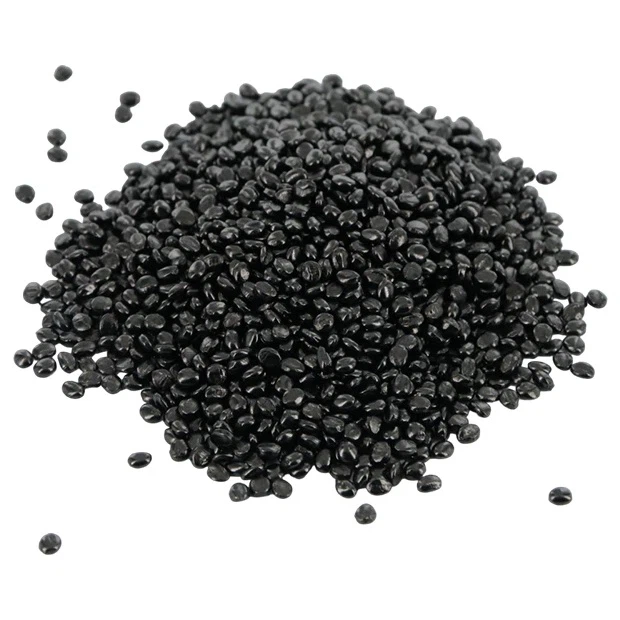
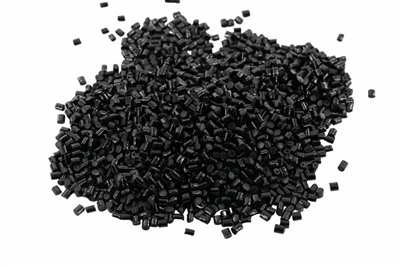

Hey there! As a supplier of black masterbatch for film blown, I often get asked about the proper storage conditions for this product. It's crucial to store black masterbatch correctly to maintain its quality and performance, so I'm here to share some insights on this topic.
First off, let's talk about why storage conditions matter. Black masterbatch is a concentrated mixture of pigments and additives that are used to color plastic films during the blown film process. If it's not stored properly, factors like humidity, temperature, and exposure to light can affect its physical and chemical properties. This can lead to issues such as clumping, discoloration, and a decrease in the dispersion quality of the pigments, which ultimately impacts the quality of the final blown film.
Temperature
Temperature is one of the most important factors when it comes to storing black masterbatch. Generally, it's recommended to store black masterbatch in a cool and dry place. The ideal temperature range is between 20°C and 30°C (68°F - 86°F). Extreme temperatures can cause problems.
If the temperature is too high, say above 35°C (95°F), the masterbatch might start to soften or even melt slightly. This can lead to the particles sticking together, forming clumps. When you try to use clumped masterbatch in the blown film process, it can cause uneven coloring in the film. The pigments won't disperse evenly, resulting in a patchy or streaky appearance on the film.
On the other hand, if the temperature is too low, below 10°C (50°F), the masterbatch can become brittle. Brittle masterbatch is more likely to break into smaller pieces during handling, and these small pieces might not mix well with the base resin during the blown film extrusion. This can also lead to inconsistent coloring in the final film product.


Humidity
Humidity is another key factor. Black masterbatch should be stored in an environment with low humidity, preferably below 60% relative humidity. High humidity can cause the masterbatch to absorb moisture from the air.
When the masterbatch absorbs moisture, it can lead to several issues. Firstly, the moisture can cause the pigments and additives in the masterbatch to agglomerate. Agglomerated masterbatch doesn't disperse well in the base resin, resulting in poor color distribution in the blown film. Secondly, moisture can also react with some of the additives in the masterbatch, changing their chemical properties. This can affect the performance of the masterbatch, such as its UV resistance or heat stability.
To control humidity, it's a good idea to store the masterbatch in a sealed container or in a storage area with dehumidifiers. If you're storing the masterbatch in bags, make sure the bags are properly sealed. And if you notice any signs of moisture on the bags or in the storage area, take immediate action to reduce the humidity.
Light Exposure
Black masterbatch should be protected from direct sunlight and prolonged exposure to artificial light. UV light can cause the pigments in the masterbatch to degrade over time. When the pigments degrade, their color intensity decreases, and the masterbatch might start to lose its ability to provide the desired black color in the blown film.
To prevent light exposure, store the masterbatch in opaque containers or in a storage area that is not directly exposed to light. If you're using transparent bags to store the masterbatch, keep them in a dark place or cover them with a light - blocking material.
Storage Containers
The type of storage container also matters. It's best to use containers that are made of materials that are resistant to moisture and chemicals. Plastic drums or sealed plastic bags are commonly used for storing black masterbatch.
Make sure the containers are clean before you store the masterbatch in them. Any dirt or residue in the container can contaminate the masterbatch. Also, label the containers clearly with the type of masterbatch, the batch number, and the date of storage. This will help you keep track of the inventory and ensure that you use the oldest stock first.
Air Circulation
Proper air circulation in the storage area is important. Stagnant air can lead to the buildup of moisture and heat in the storage area. Good air circulation helps to maintain a consistent temperature and humidity level.
You can achieve proper air circulation by using fans in the storage area or by ensuring that there is enough space between the storage containers. Don't stack the containers too closely together, as this can restrict the flow of air.
Special Considerations for Different Applications
We offer different types of black masterbatch for various applications, such as Food Contact Black Masterbatch, Black Masterbatch for Blown Bottle, and Black Masterbatch for Shopping Bag. Each of these might have slightly different storage requirements.
For food contact black masterbatch, it's even more critical to maintain strict storage conditions. Any contamination or degradation of the masterbatch can pose a risk to food safety. So, in addition to the general storage guidelines, make sure the storage area is clean, free from any chemicals or pests, and that the containers are properly sealed to prevent any cross - contamination.
Black masterbatch for blown bottles might need to be stored in a way that ensures its flowability. Since blown bottles often require a high - quality finish, any issues with the masterbatch's flow during the manufacturing process can affect the appearance and quality of the bottles. So, keep an eye on the temperature and humidity to prevent clumping.
For black masterbatch for shopping bags, storage conditions should be maintained to ensure consistent coloring. Shopping bags are a common consumer product, and any variation in color can affect their marketability.
Conclusion
In conclusion, proper storage of black masterbatch for film blown is essential to maintain its quality and performance. By controlling temperature, humidity, light exposure, and using the right storage containers and ensuring proper air circulation, you can ensure that your black masterbatch remains in top - notch condition.
If you're in the market for high - quality black masterbatch for film blown, we're here to help. We've got a wide range of products suitable for different applications, and we can provide you with all the necessary information and support. Whether you need Food Contact Black Masterbatch, Black Masterbatch for Blown Bottle, or Black Masterbatch for Shopping Bag, we've got you covered. Get in touch with us to discuss your specific requirements and start a great partnership for your blown film production.
References
- "Plastic Additives Handbook" by Hans Zweifel
- Industry standards and guidelines for plastic masterbatch storage.